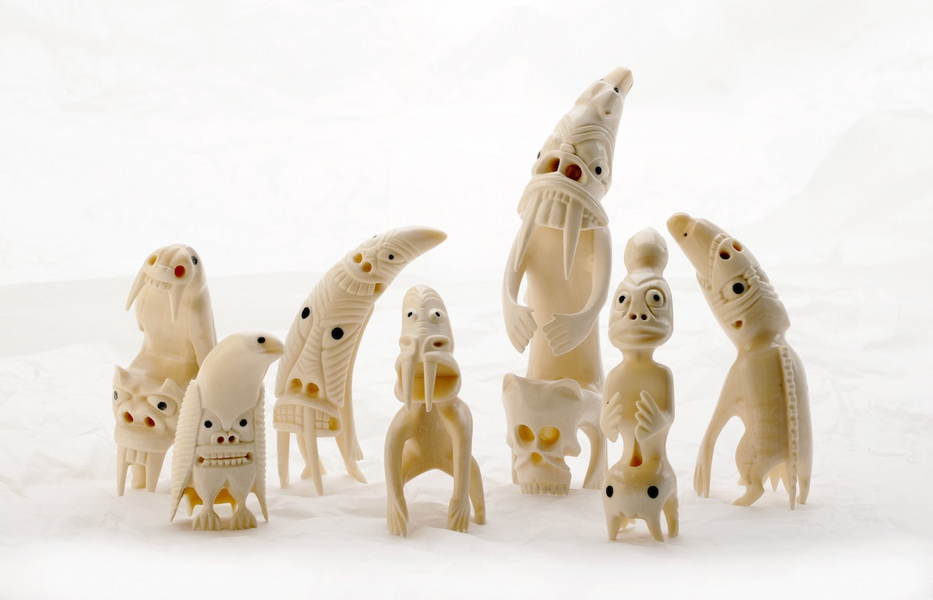
Amid the icy expanse of Greenland, where snow blankets the land for much of the year and the Arctic winds carve deep into the soul, an ancient tradition persists—one steeped in mysticism, art, and shamanic ritual. This tradition revolves around the creation of Tupilaks, unique carvings that are as enigmatic as they are captivating. To gaze upon a Tupilak is to peer into the hidden depths of Greenland’s Inuit culture, a world where artistry meets animism, and every carving tells a tale of spirits and survival.
The Origin of Tupilaks: Conjuring Spirits and Curses
The word “Tupilak” in Greenlandic roughly translates to “soul” or “ancestor’s spirit.” Historically, these were not merely artistic objects but powerful ritualistic tools created by shamans. The Inuit believed that everything in the natural world had a spirit, and the Tupilak was meant to harness this spiritual energy for various purposes, often of a malevolent nature.
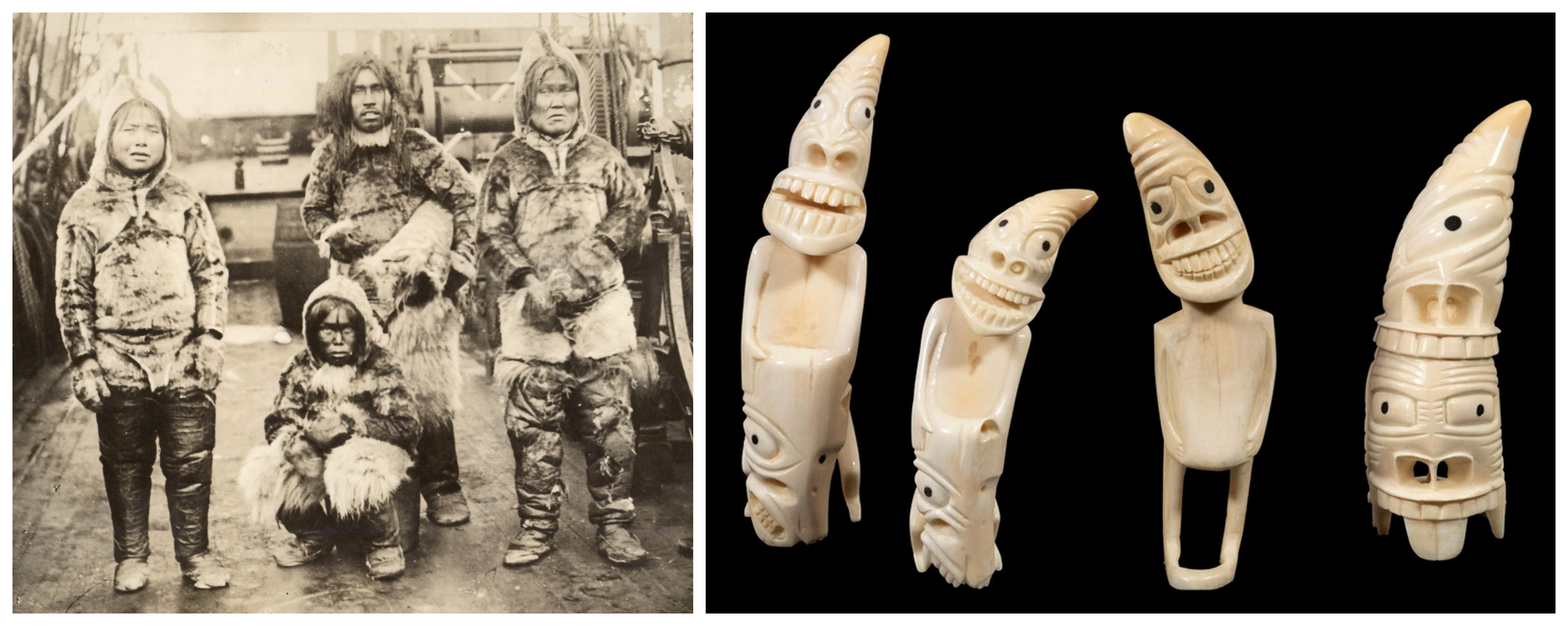
Originally, Tupilaks were crafted as protective talismans or to cast curses against enemies. The process was a secretive ritual, involving the use of organic materials such as bone, sinew, skin, and sometimes even human remains. The shaman would fashion a Tupilak to embody a particular spirit, invoking it through chants and rituals to carry out a specific task—usually to cause illness or misfortune to someone else. However, this practice was not without risks. If the intended victim possessed stronger spiritual defenses or another shaman could redirect the Tupilak’s malevolent intentions, the creator of the Tupilak would face its wrath.
A Transformation in Time: From Curses to Collectibles
As the Inuit communities came into contact with European explorers and settlers in the 19th and 20th centuries, the nature of Tupilaks began to change. No longer primarily objects of shamanic power, they evolved into a form of artistic expression and a unique cultural artifact. The practical uses for cursing faded, replaced by the artistry and the captivating storytelling captured in each carving. Today, Tupilaks are crafted mostly for trade, particularly in the tourist markets of Greenland and Inuit regions of Canada.
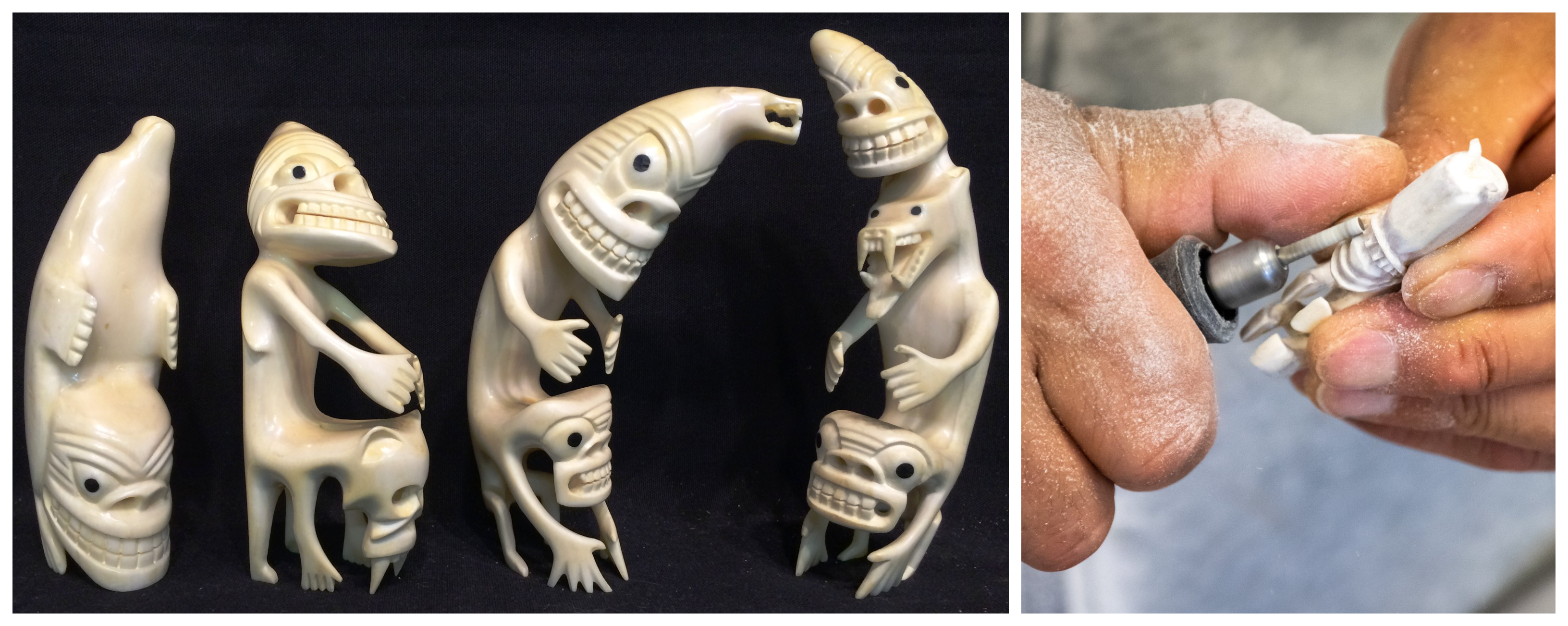
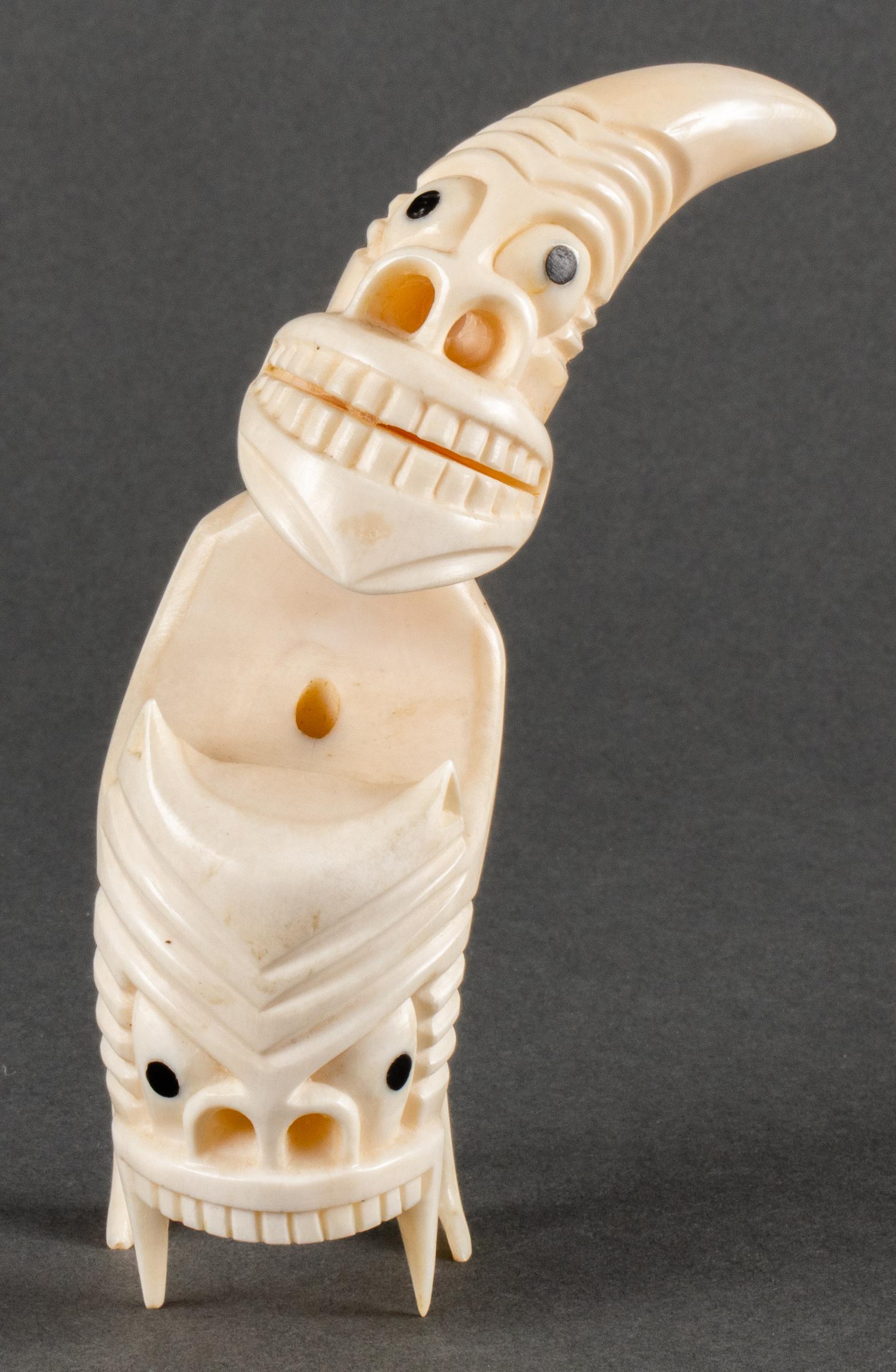
The contemporary Tupilak carvings are usually made from materials such as narwhal tusk, walrus ivory, reindeer antler, and wood, making them much safer than their ominous predecessors. These materials are meticulously carved using tools that have evolved over time, but the essence remains the same—a delicate balance between the ferocity of nature and the deep spiritual connections that the Inuit people have with the world around them.
Designs that Intrigue: The Many Faces of Tupilaks
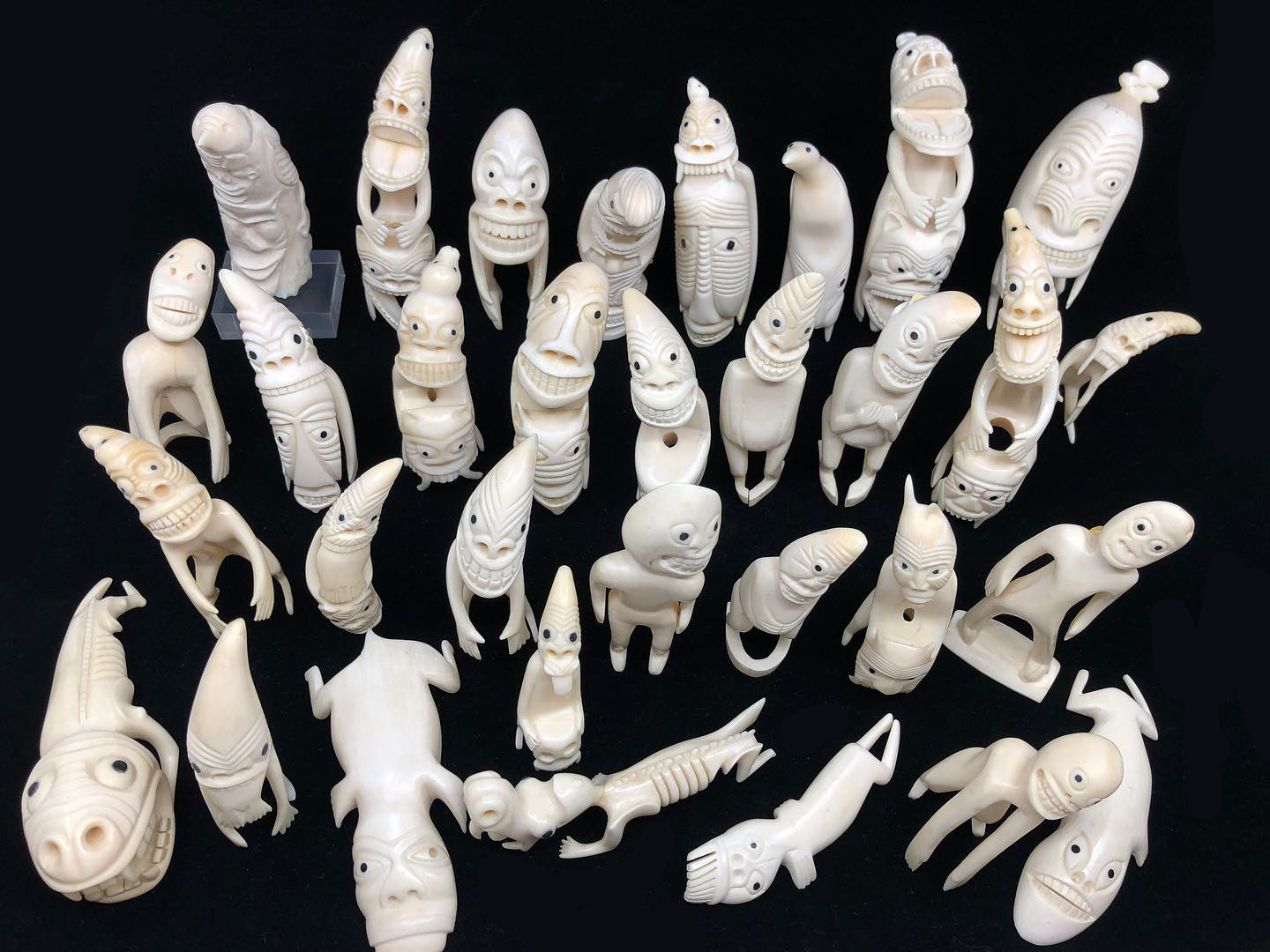
Each Tupilak is unique, its design a personal expression of the artist’s vision and cultural heritage. Despite this uniqueness, certain themes are recurrent, often drawing from the myths, legends, and everyday life of the Inuit.
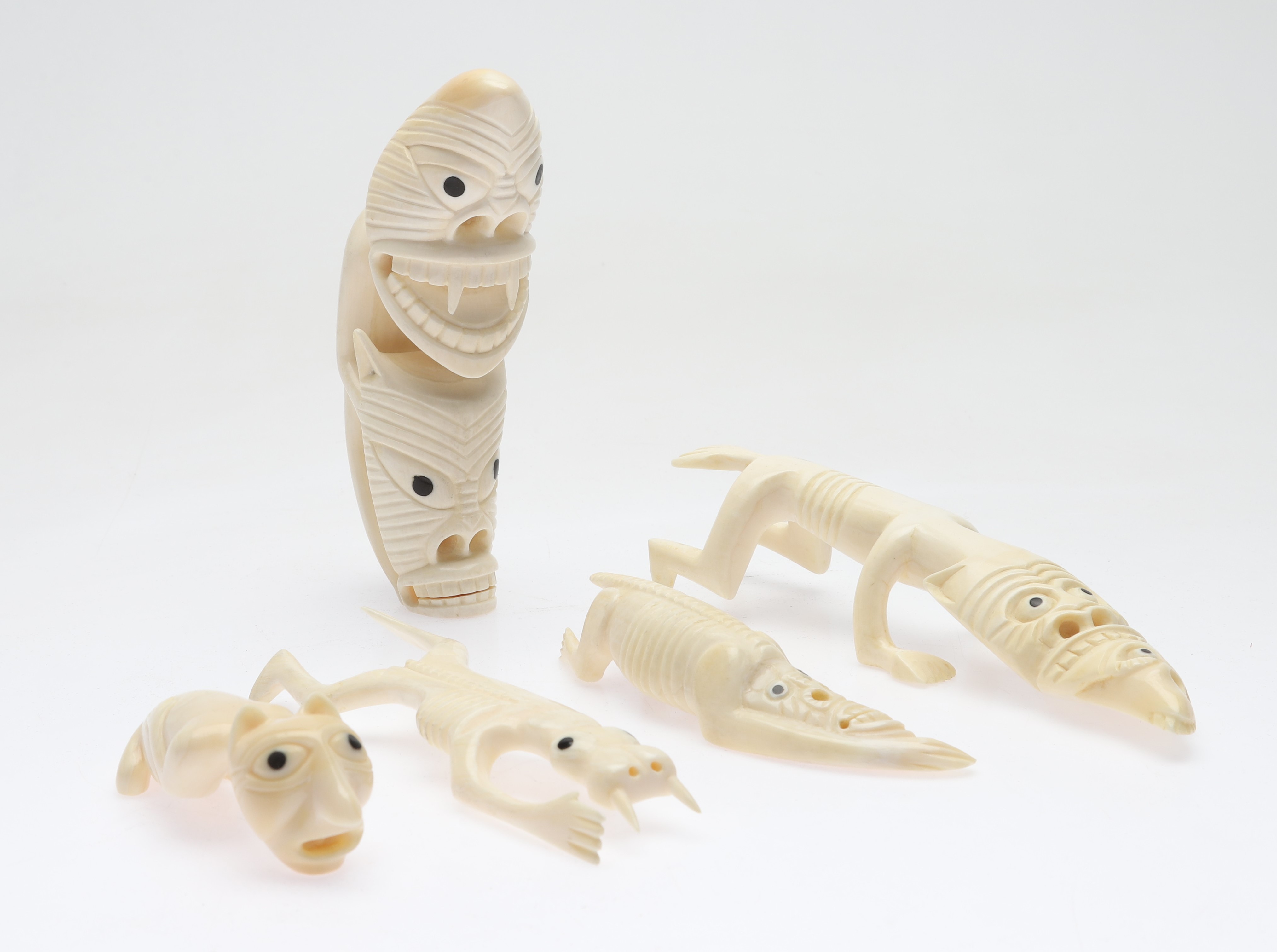
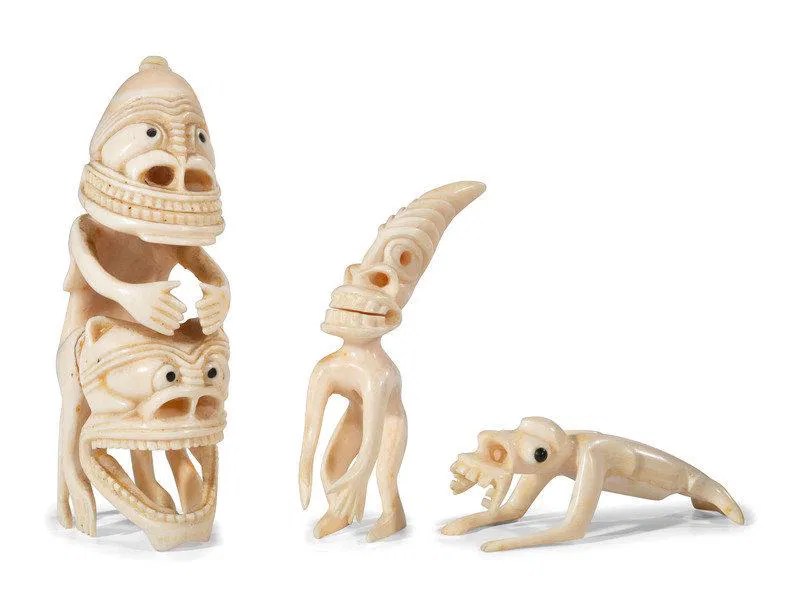
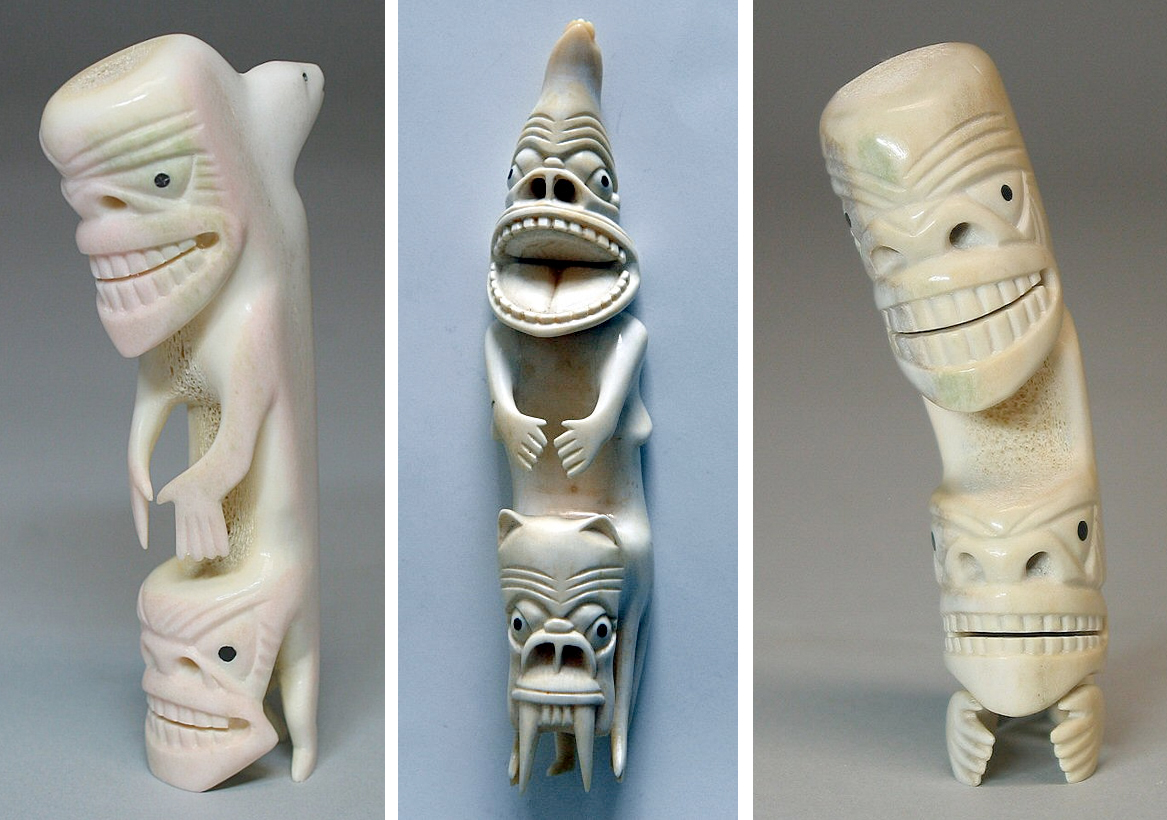
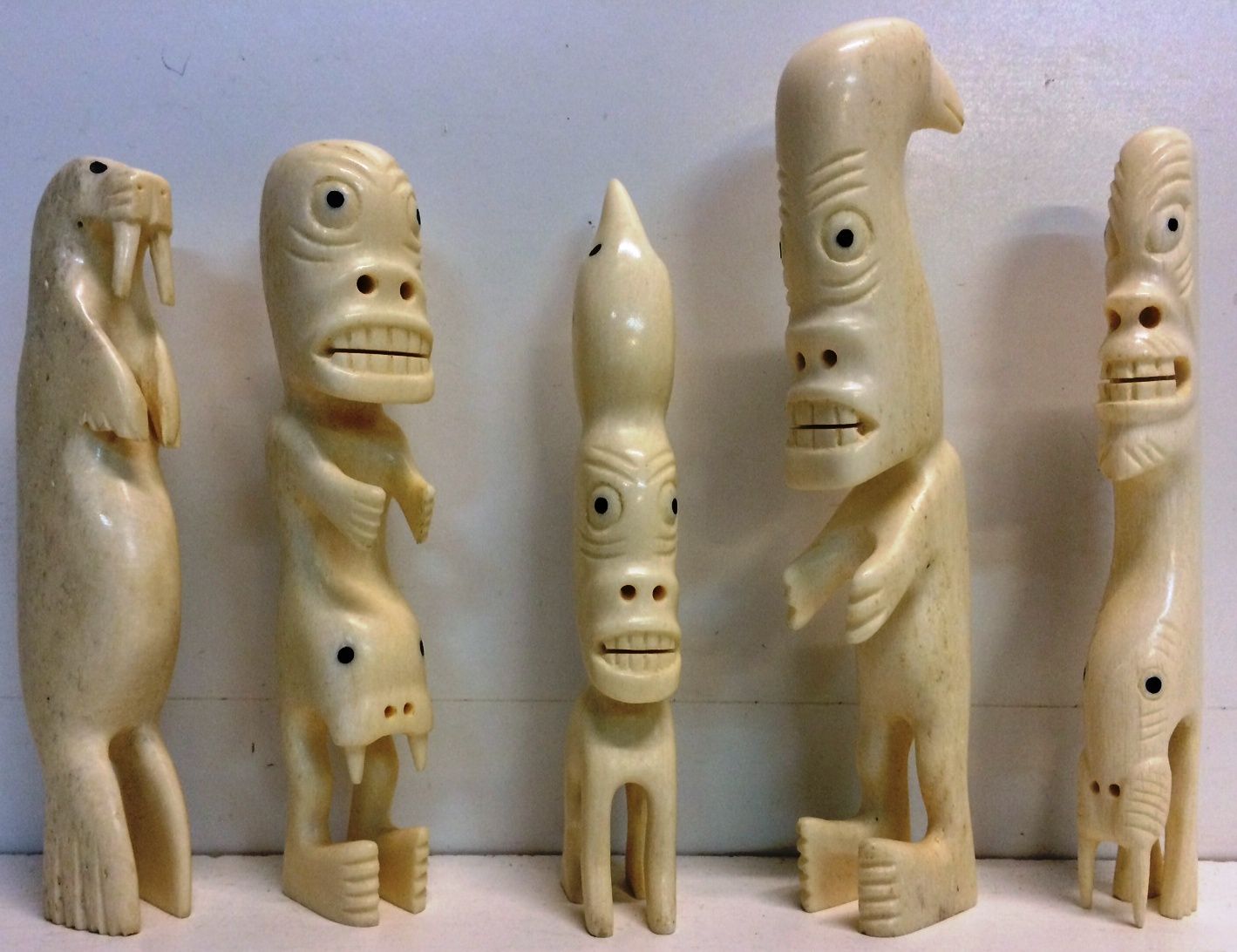
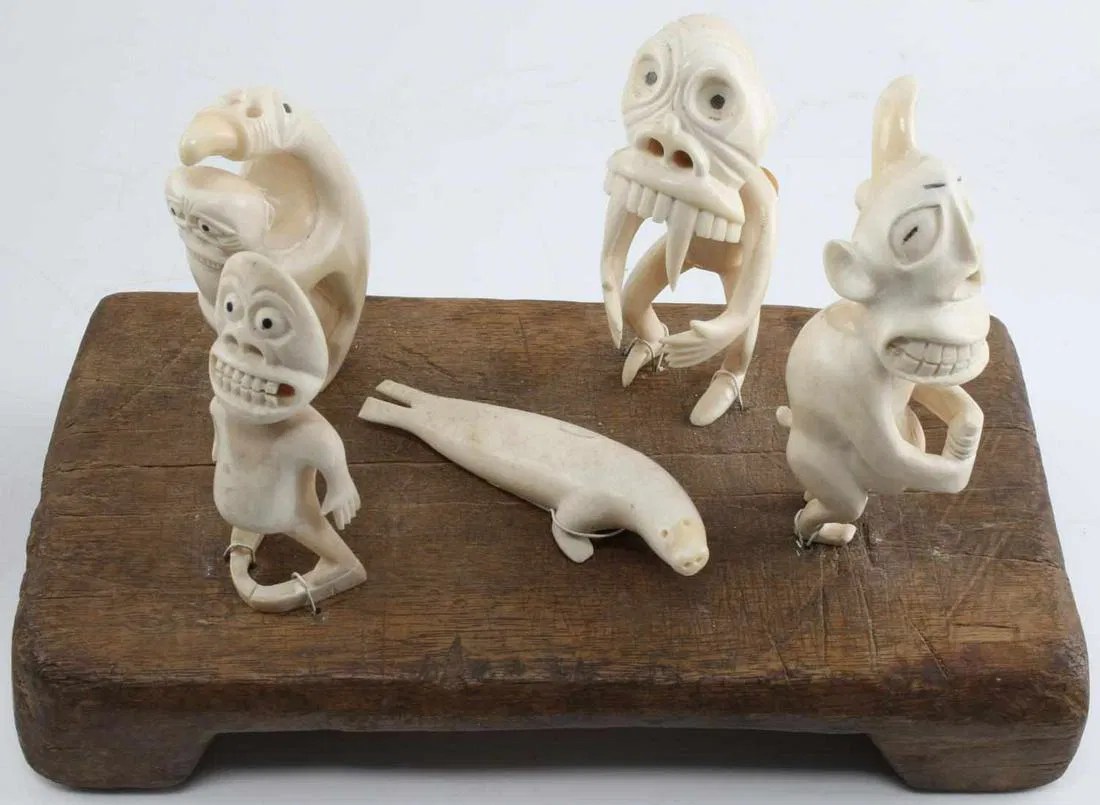
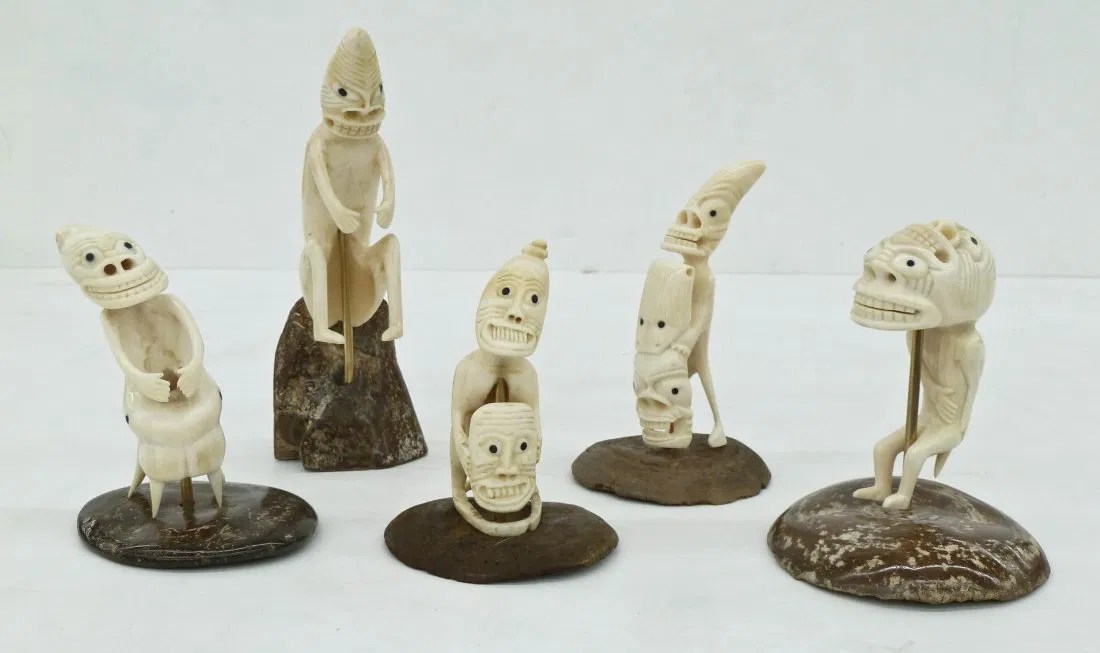
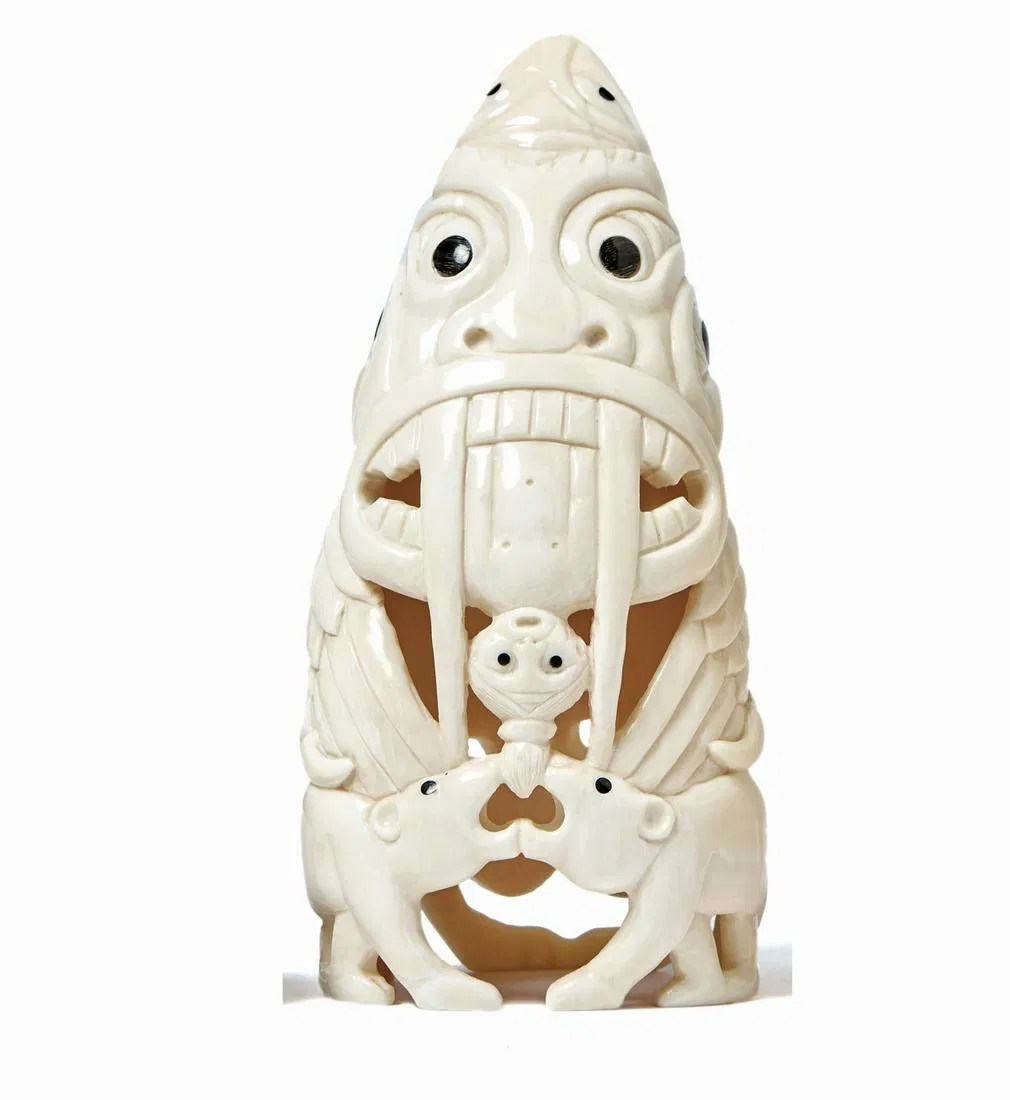
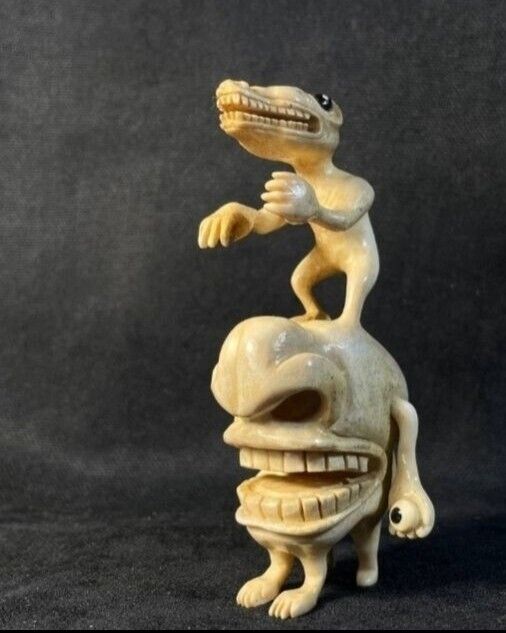
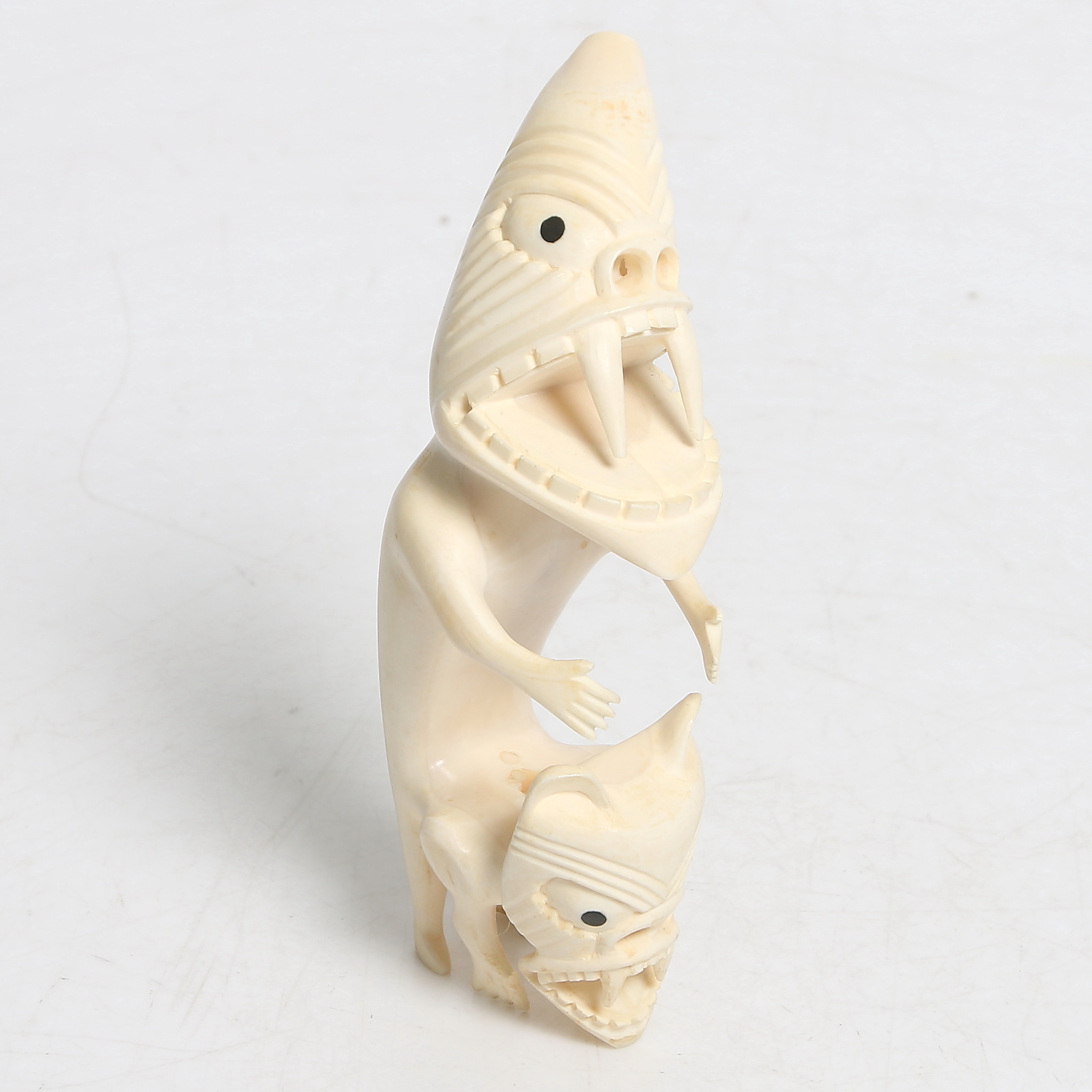
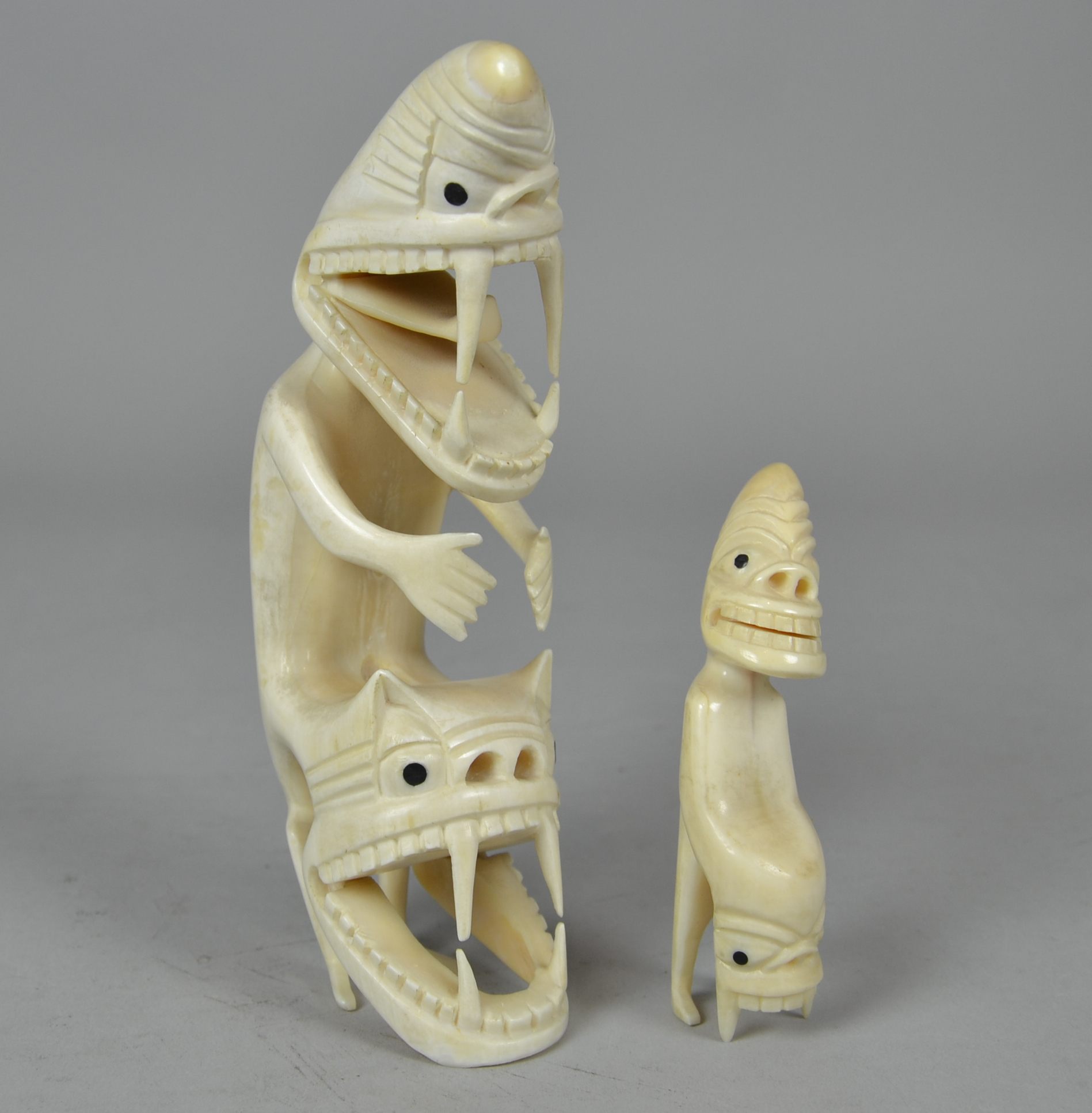
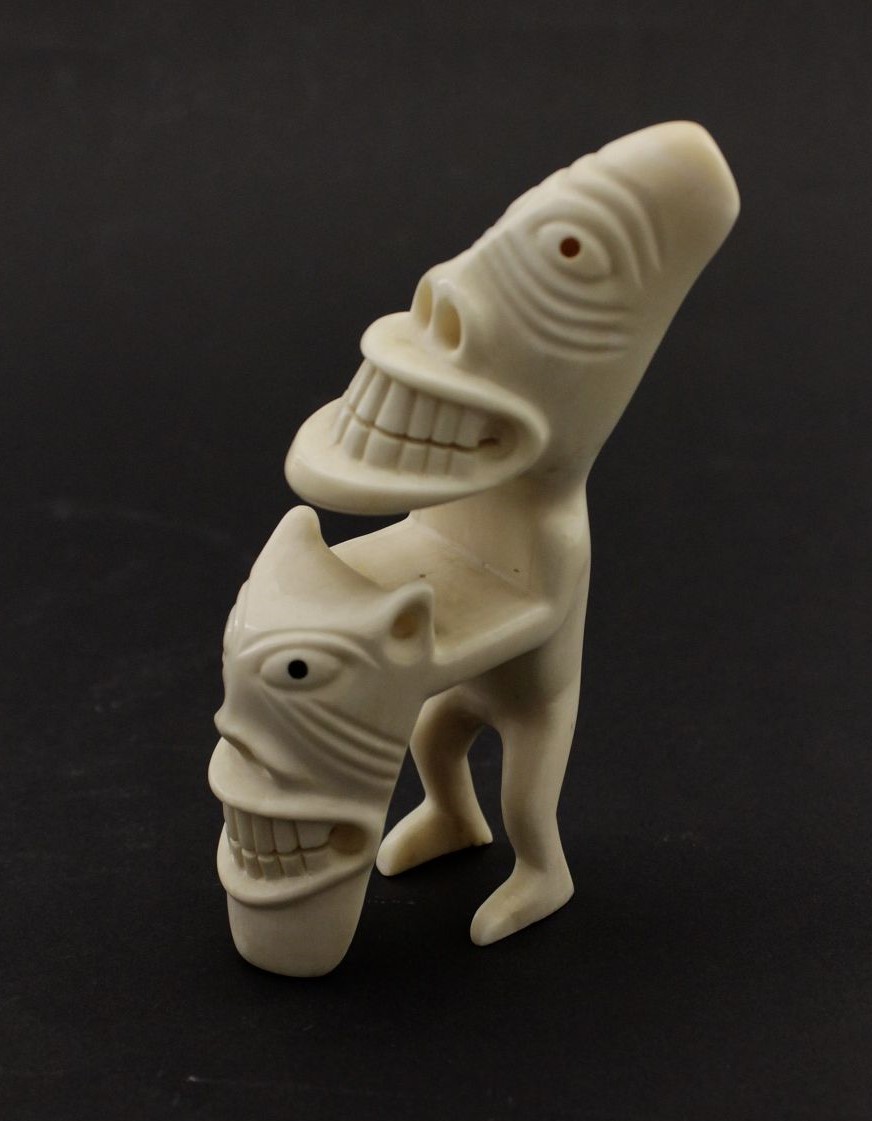
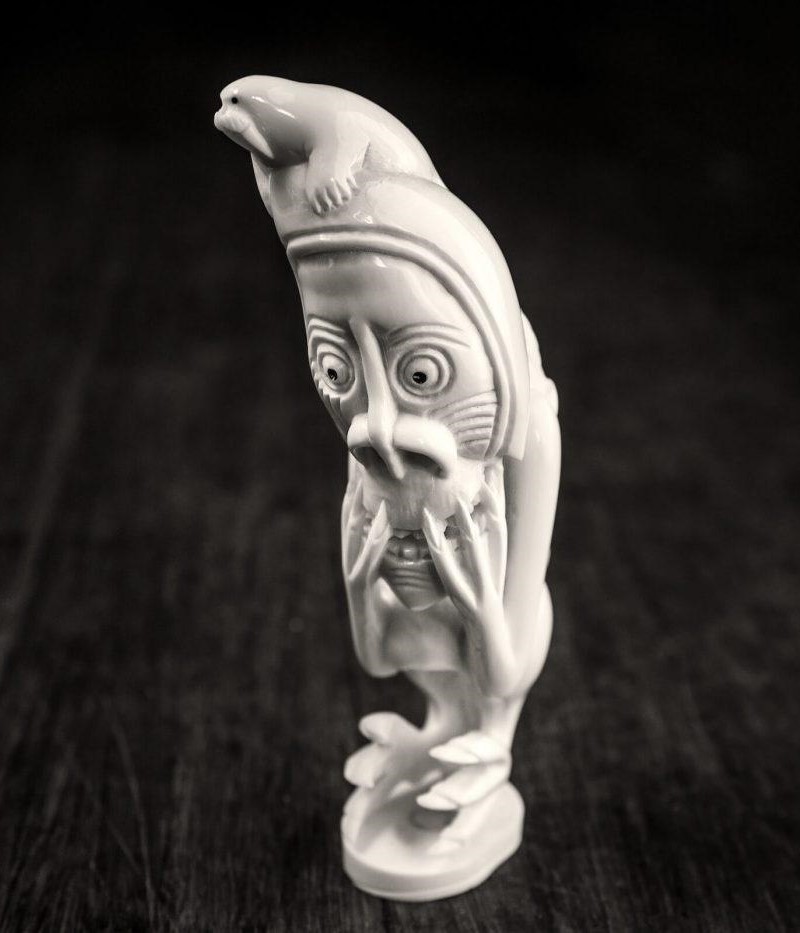
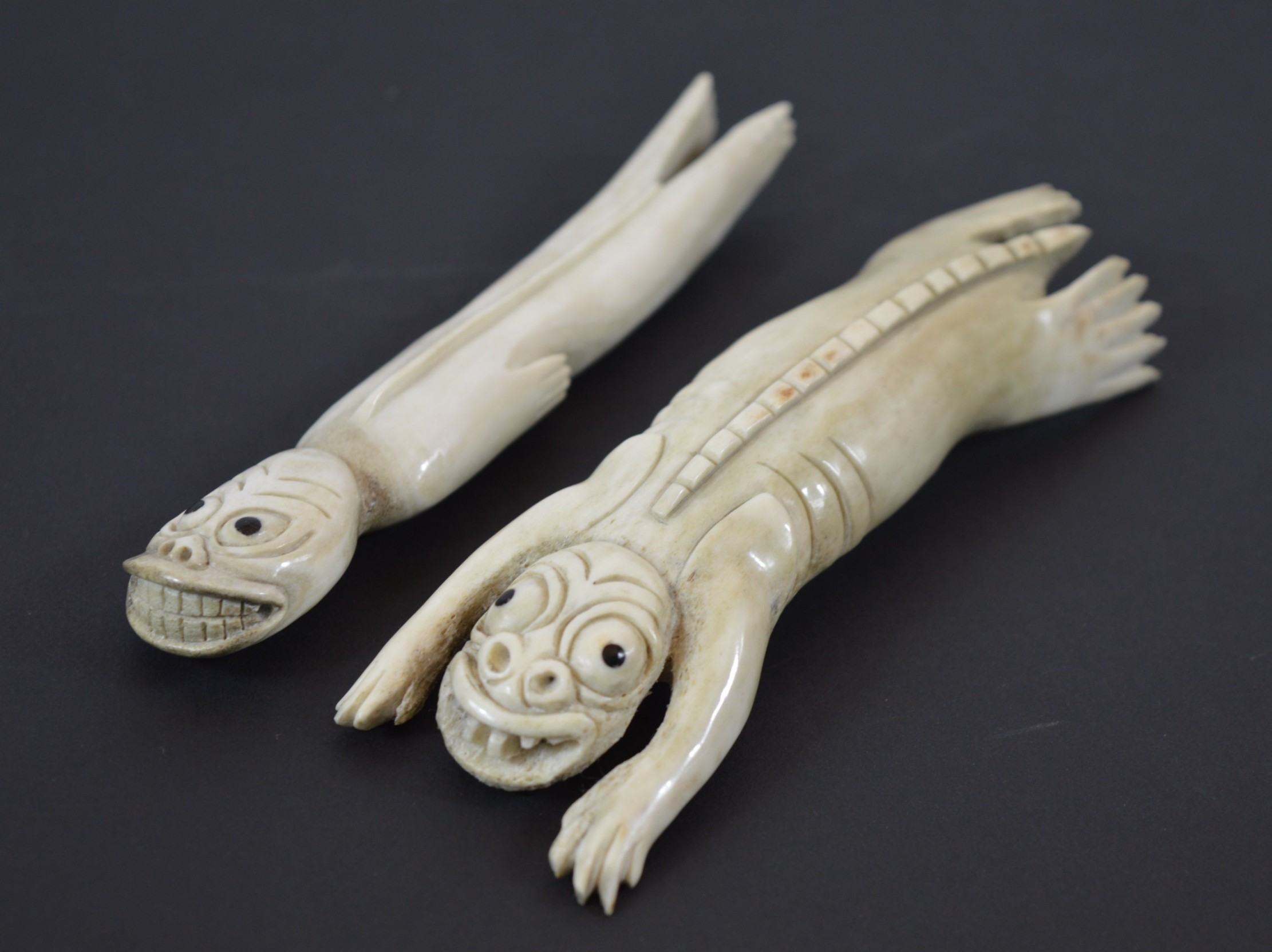
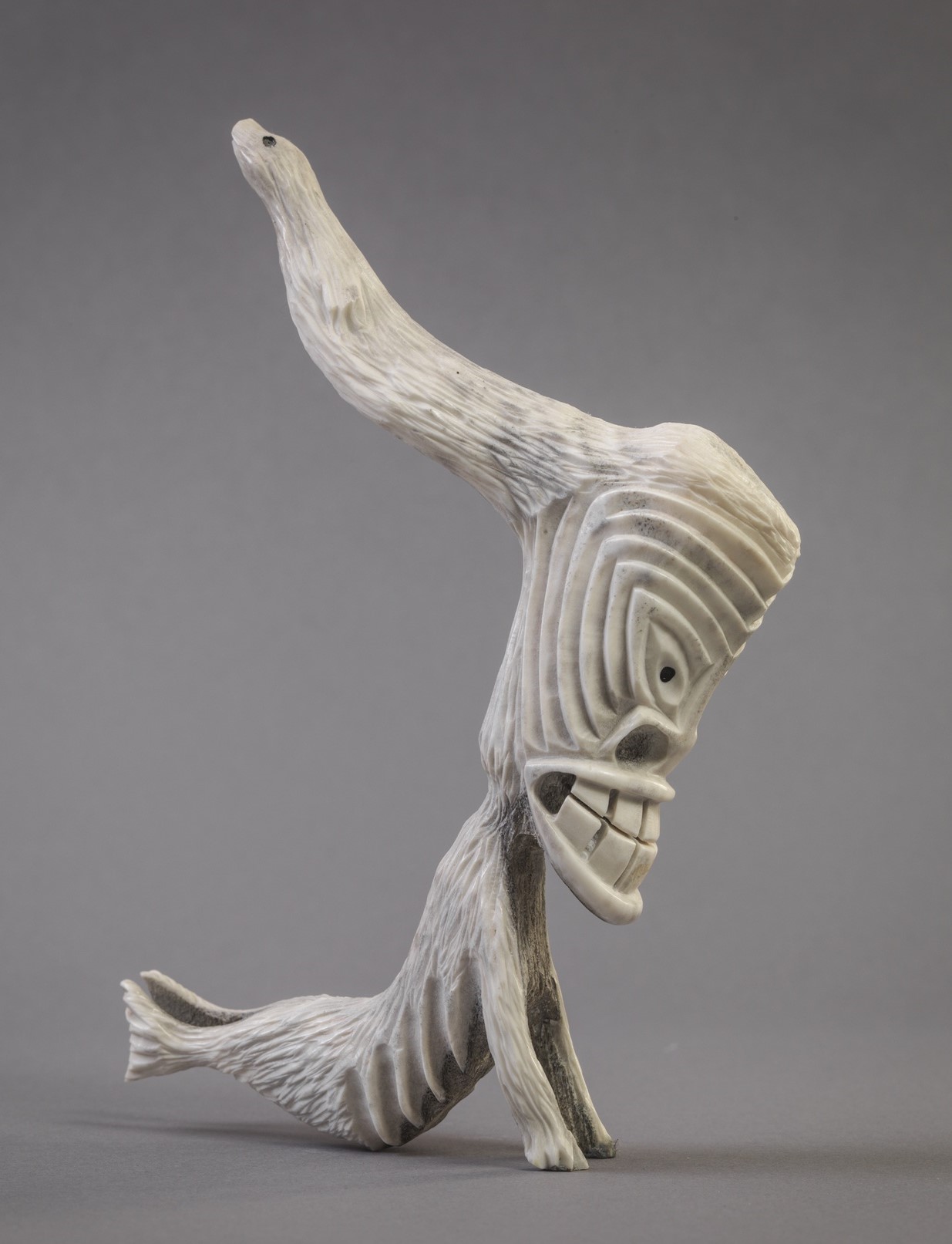
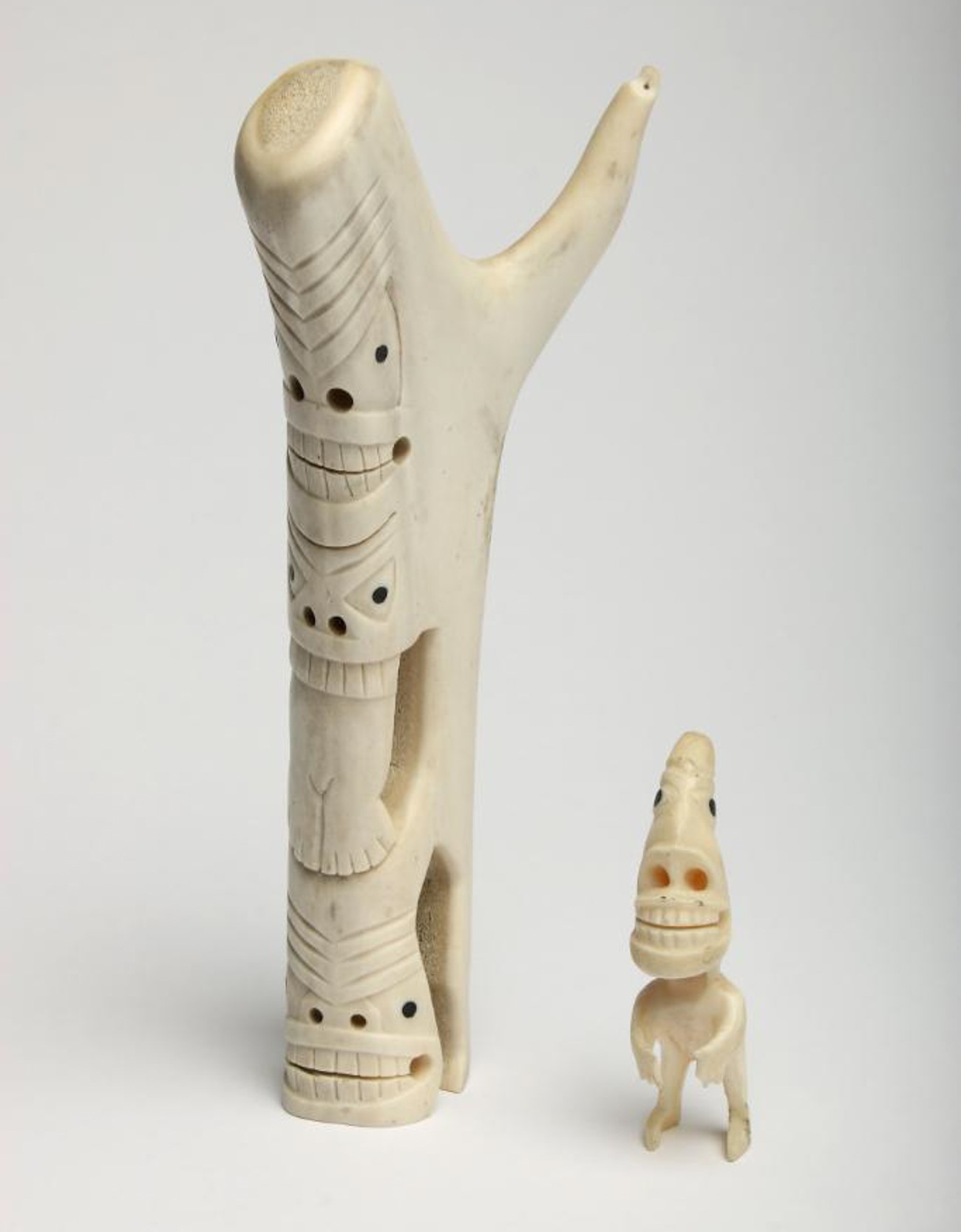
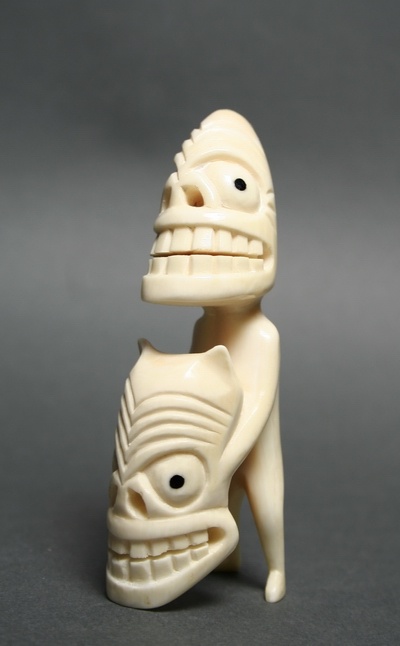
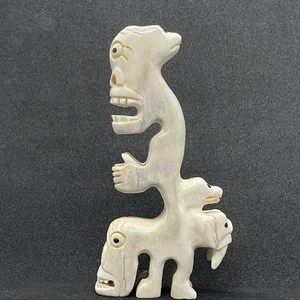
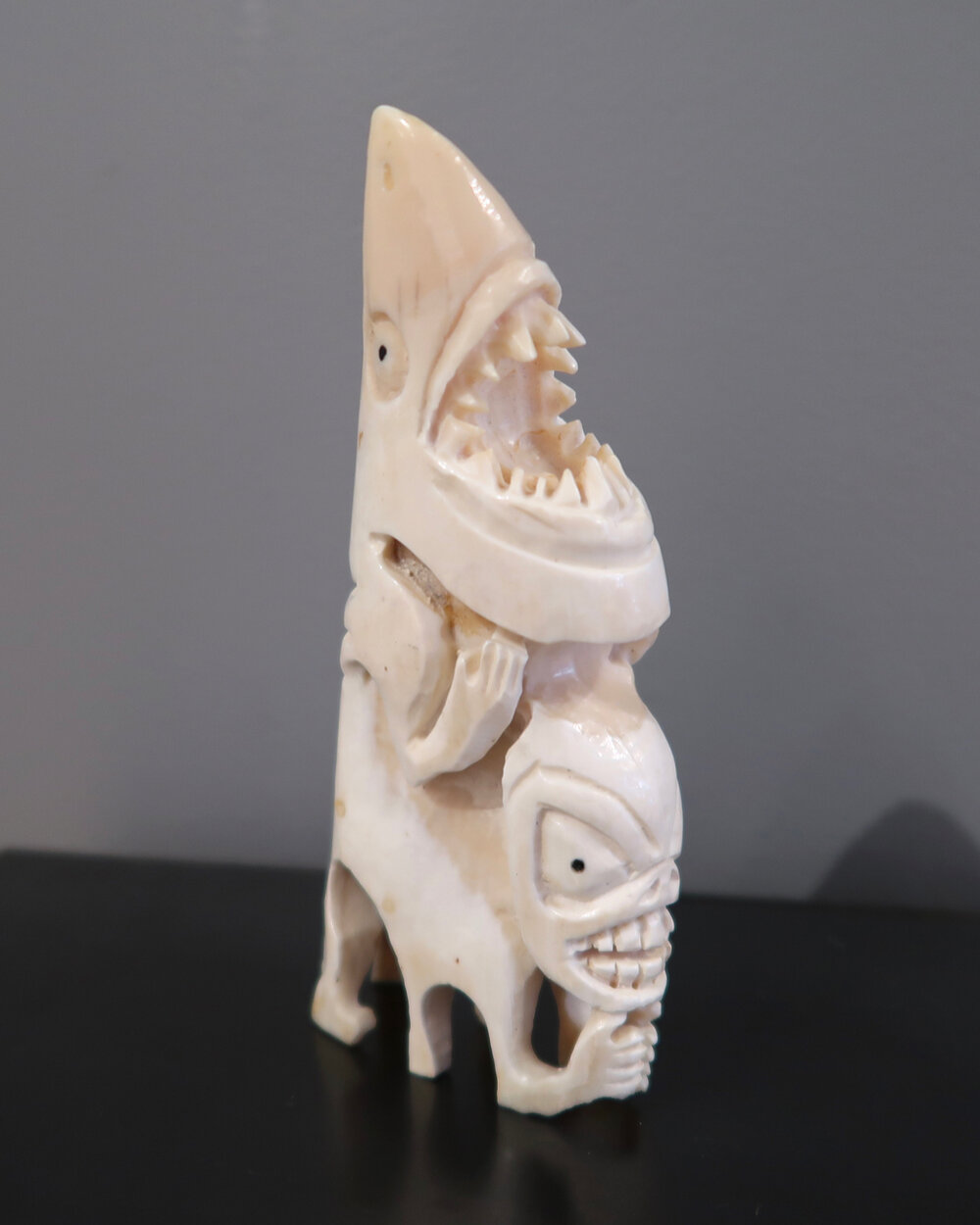
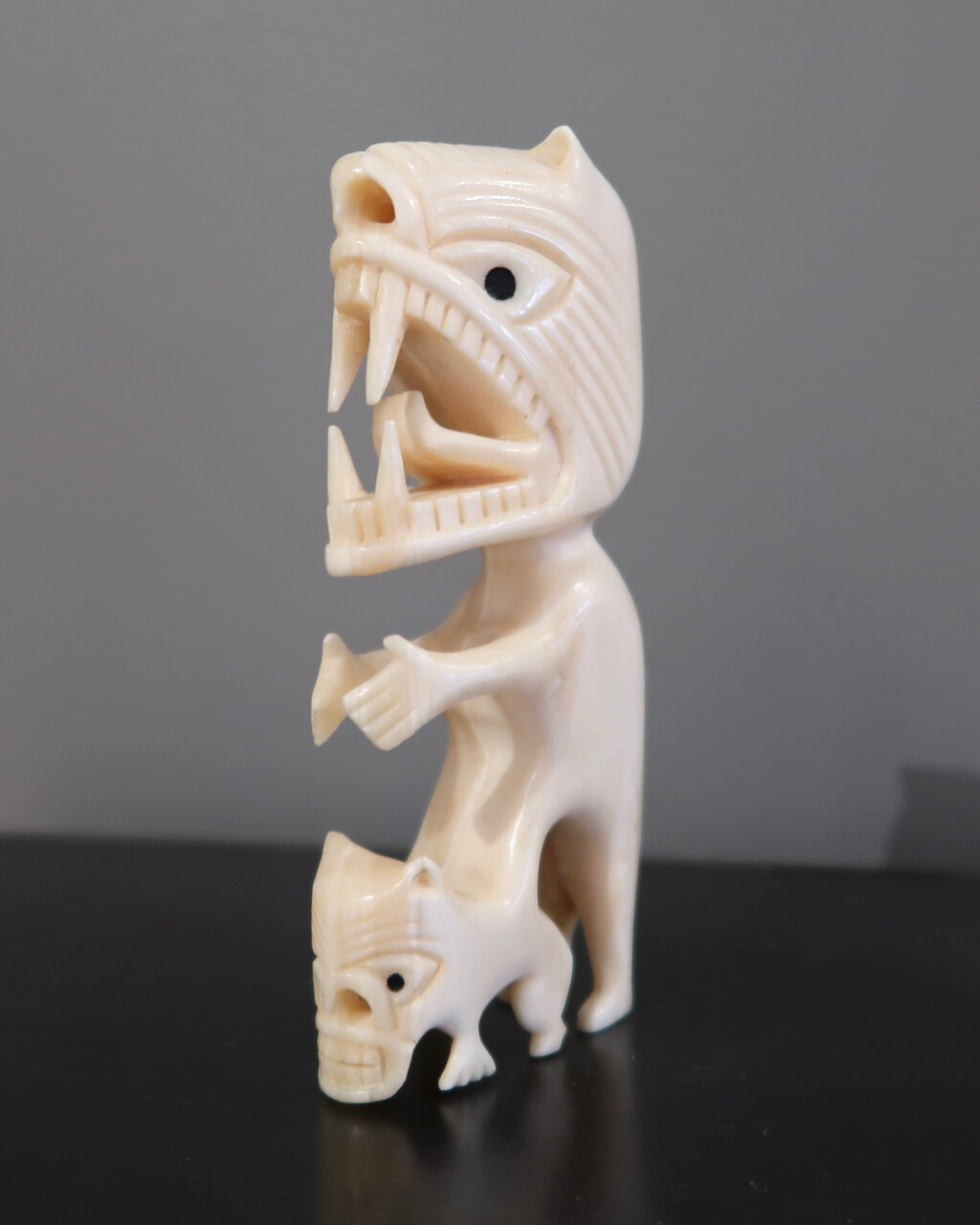
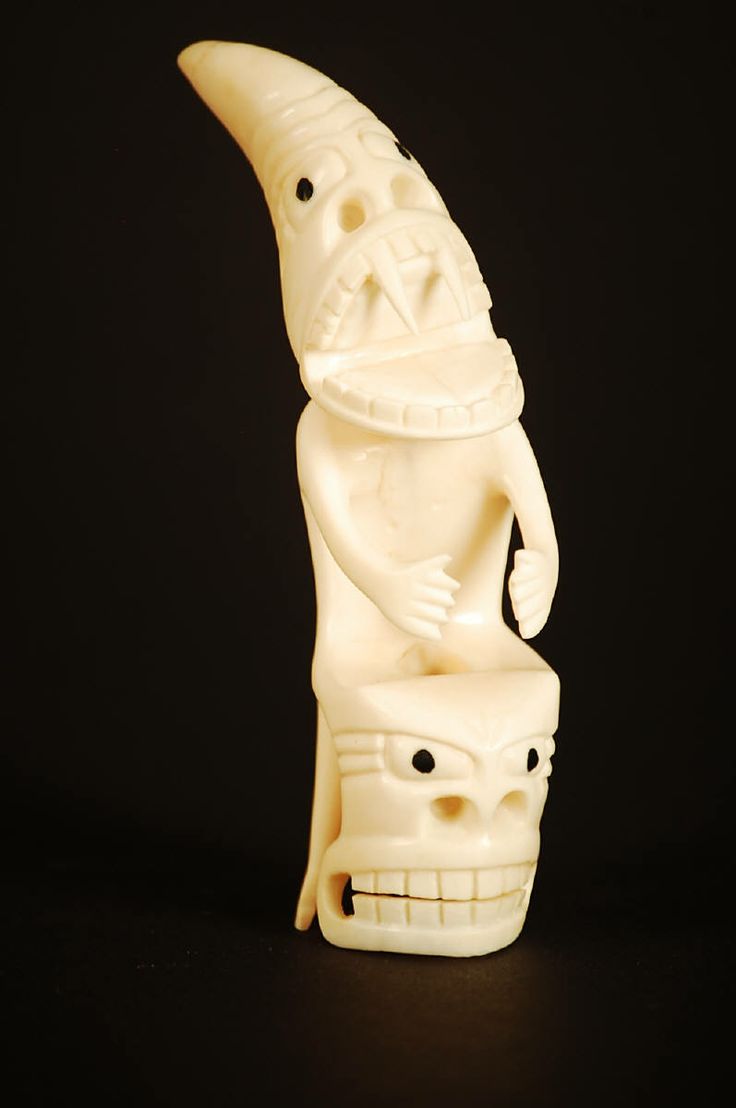
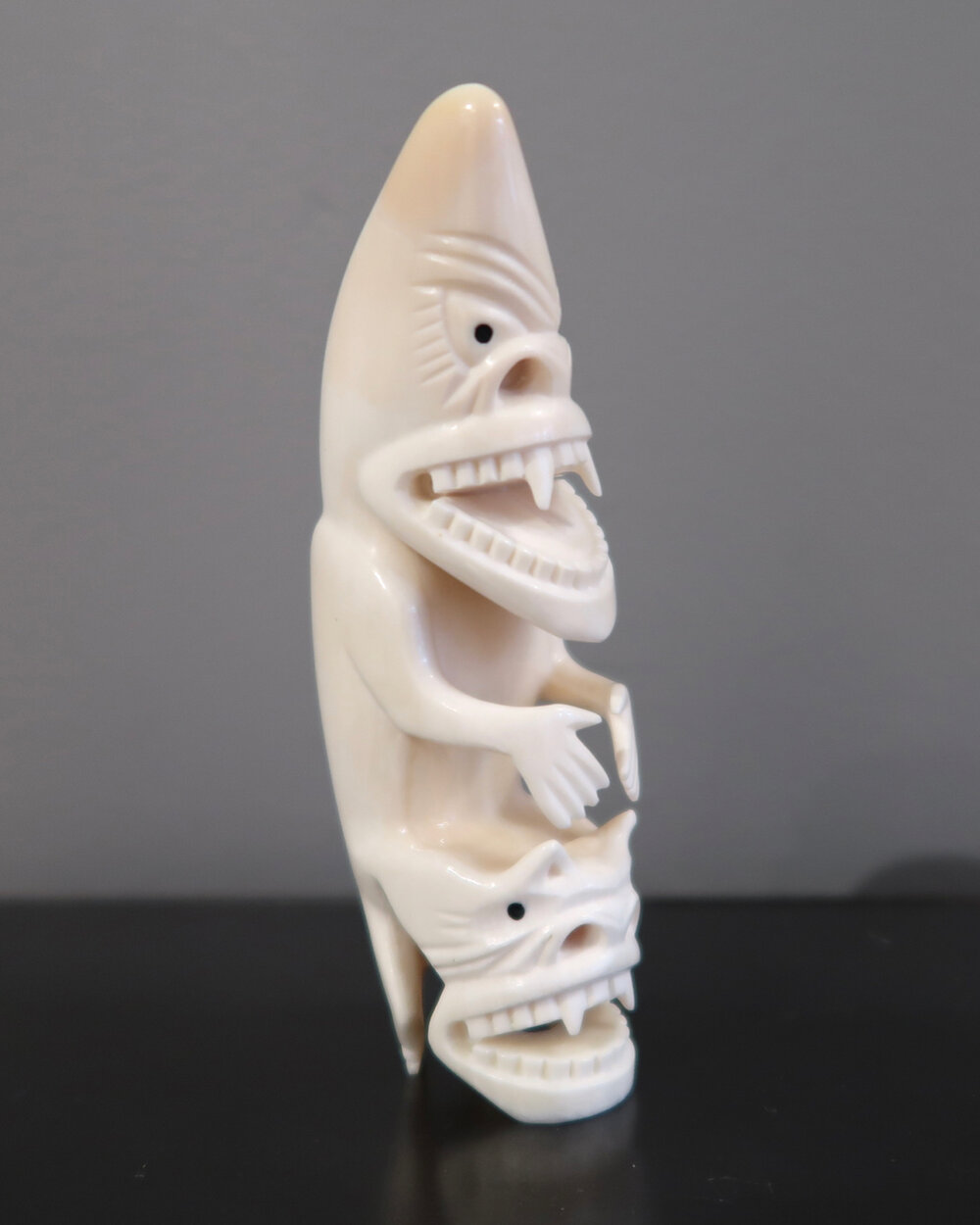
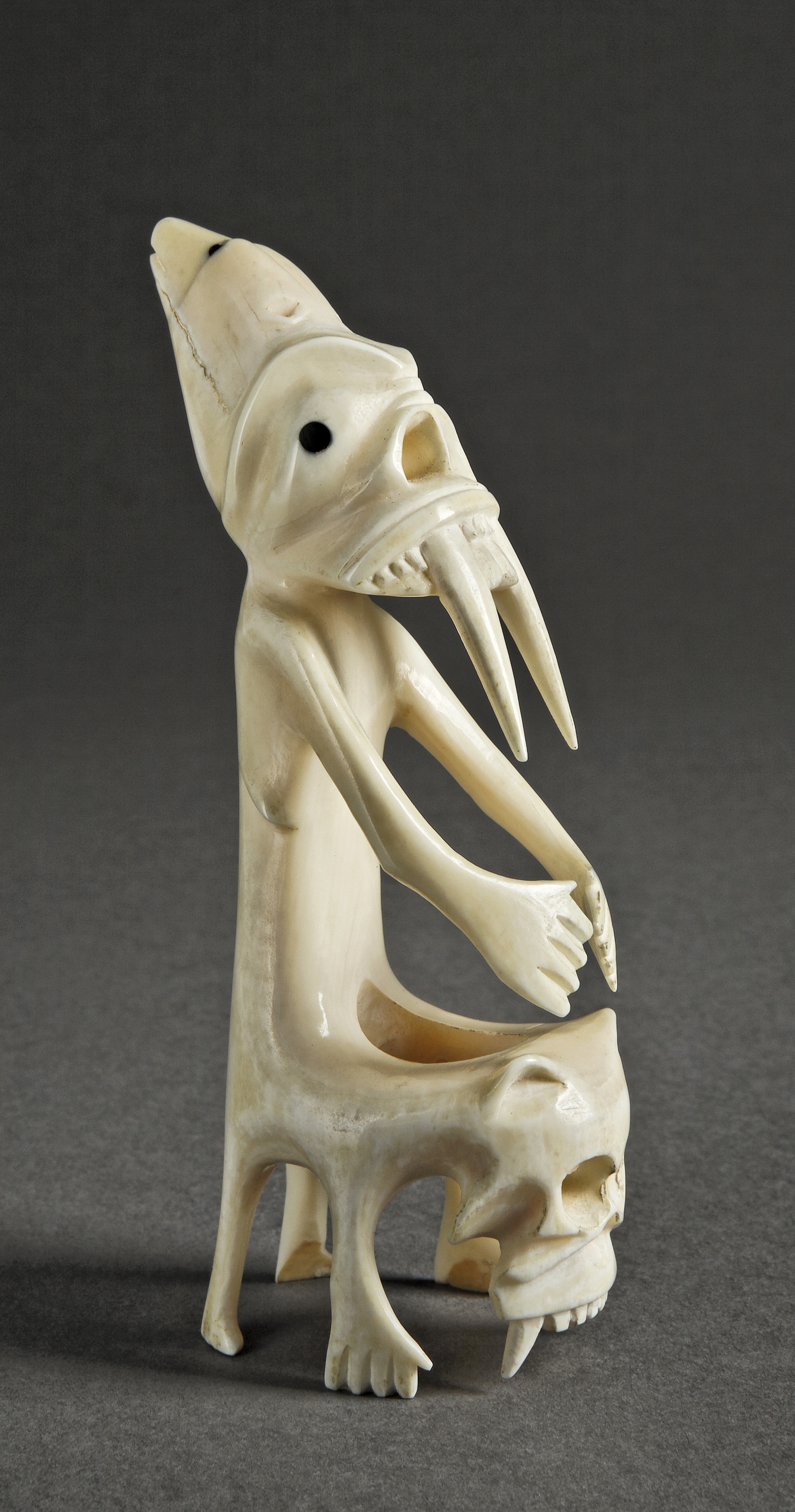
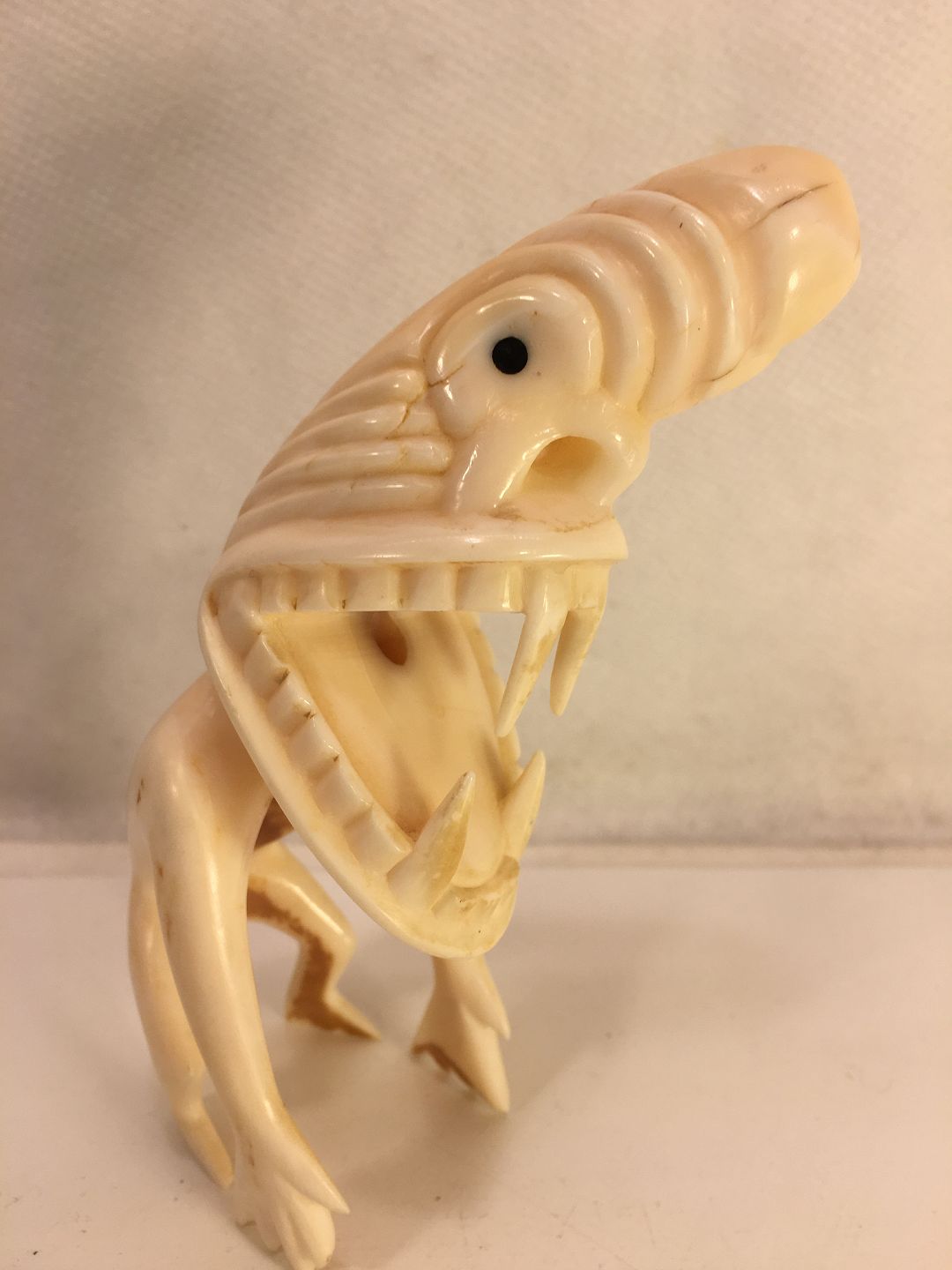
A common design motif is the depiction of fantastical creatures, often a combination of various animal parts fused together in strange and eerie configurations. One might see a Tupilak with the body of a seal, the head of a bear, and the wings of a bird, all swirling into one another in an intricate dance. This hybridity reflects the shamanic belief in the interconnectedness of all life forms and the spiritual fluidity that allows one being to transform into another.
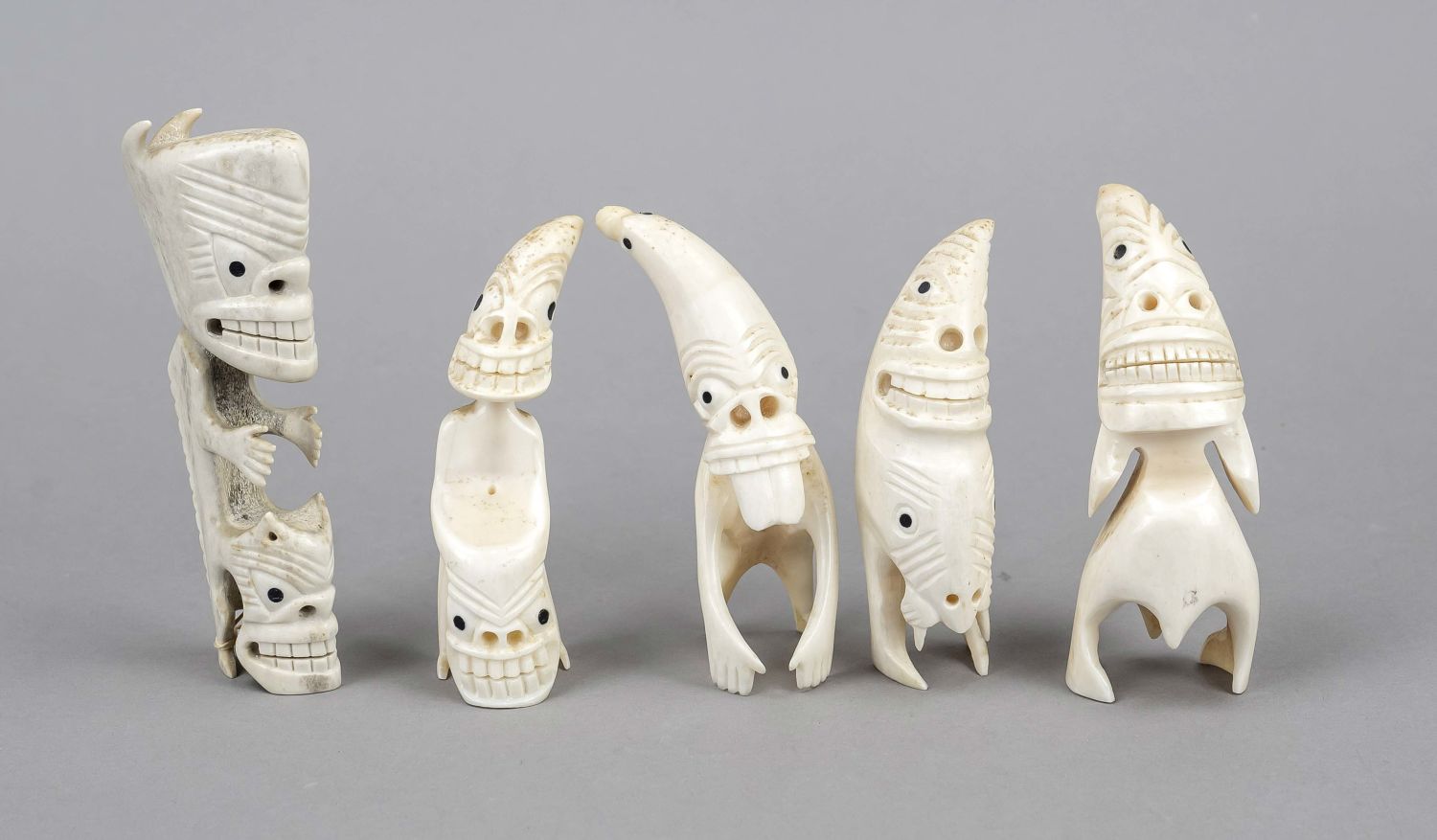
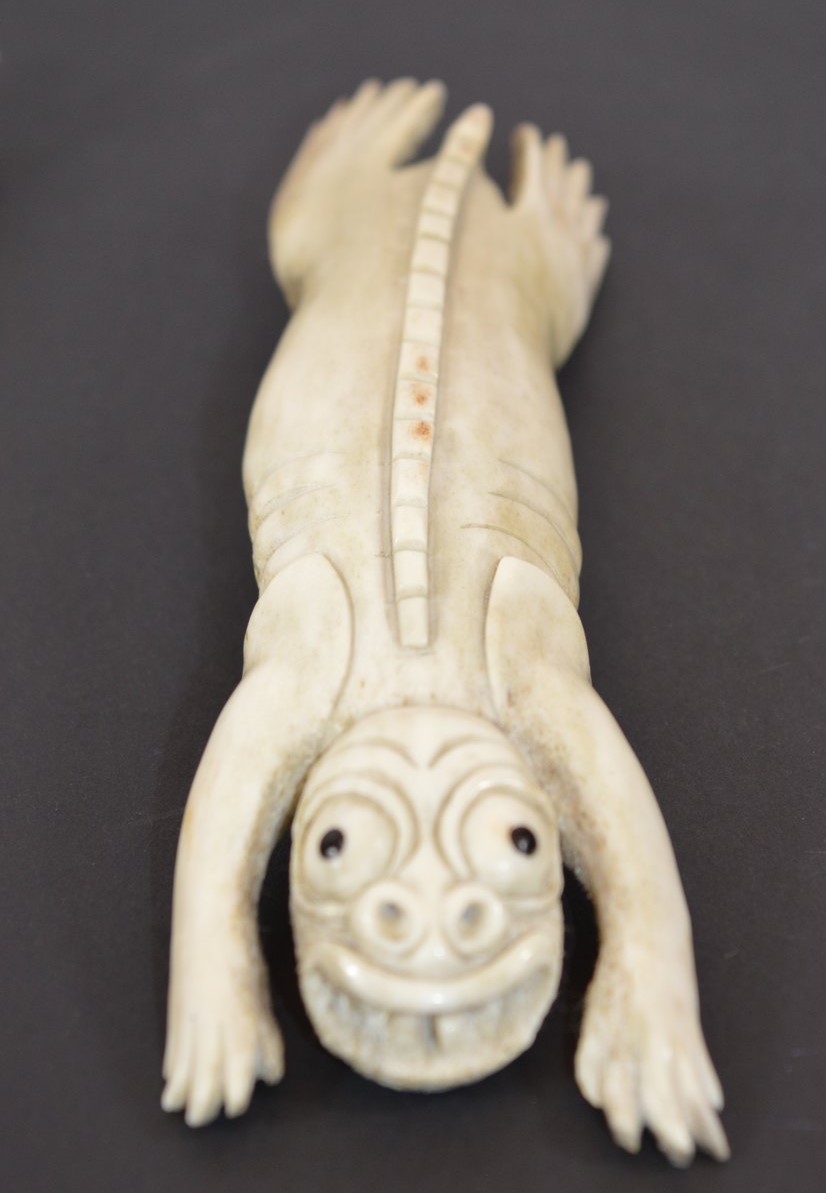
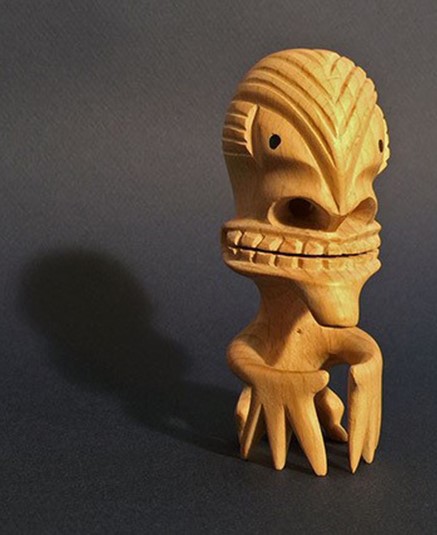
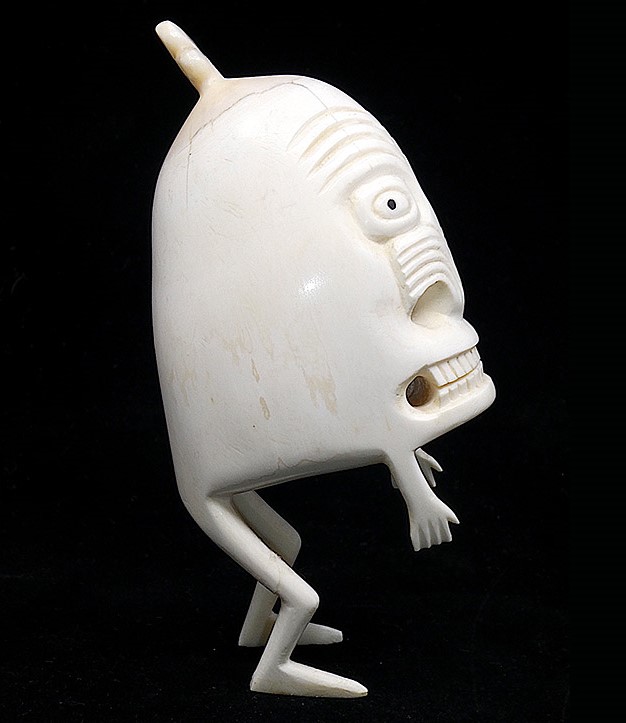
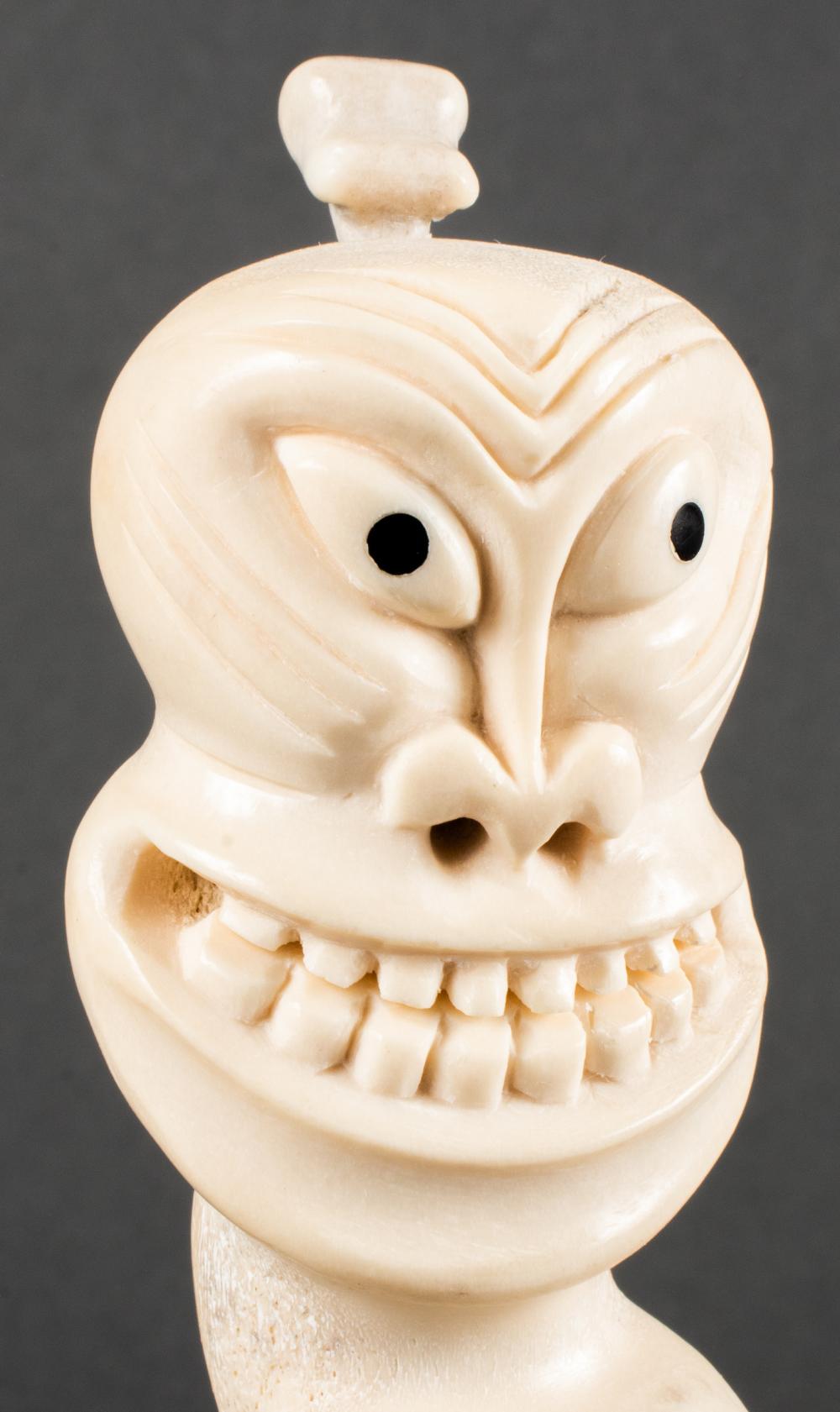
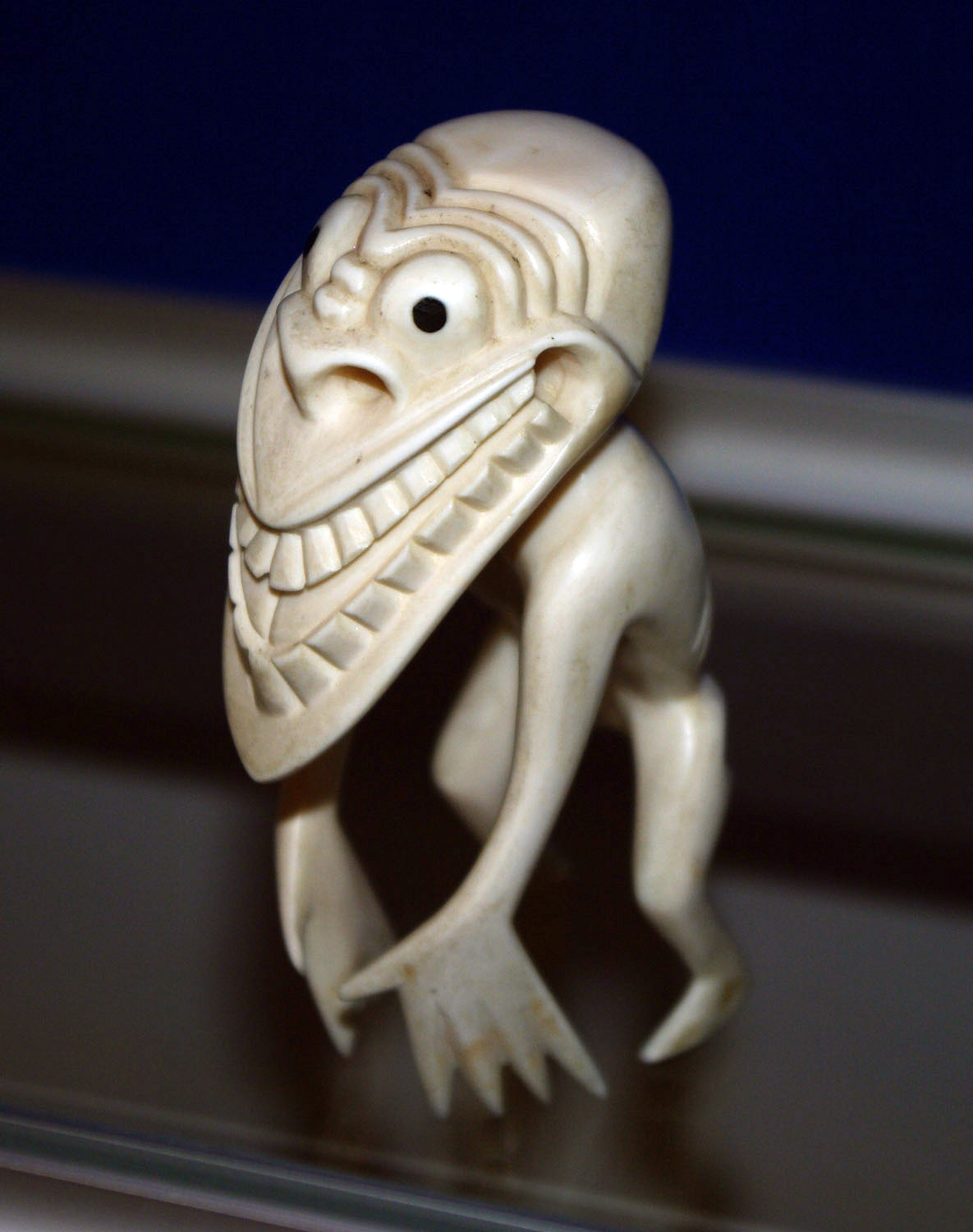
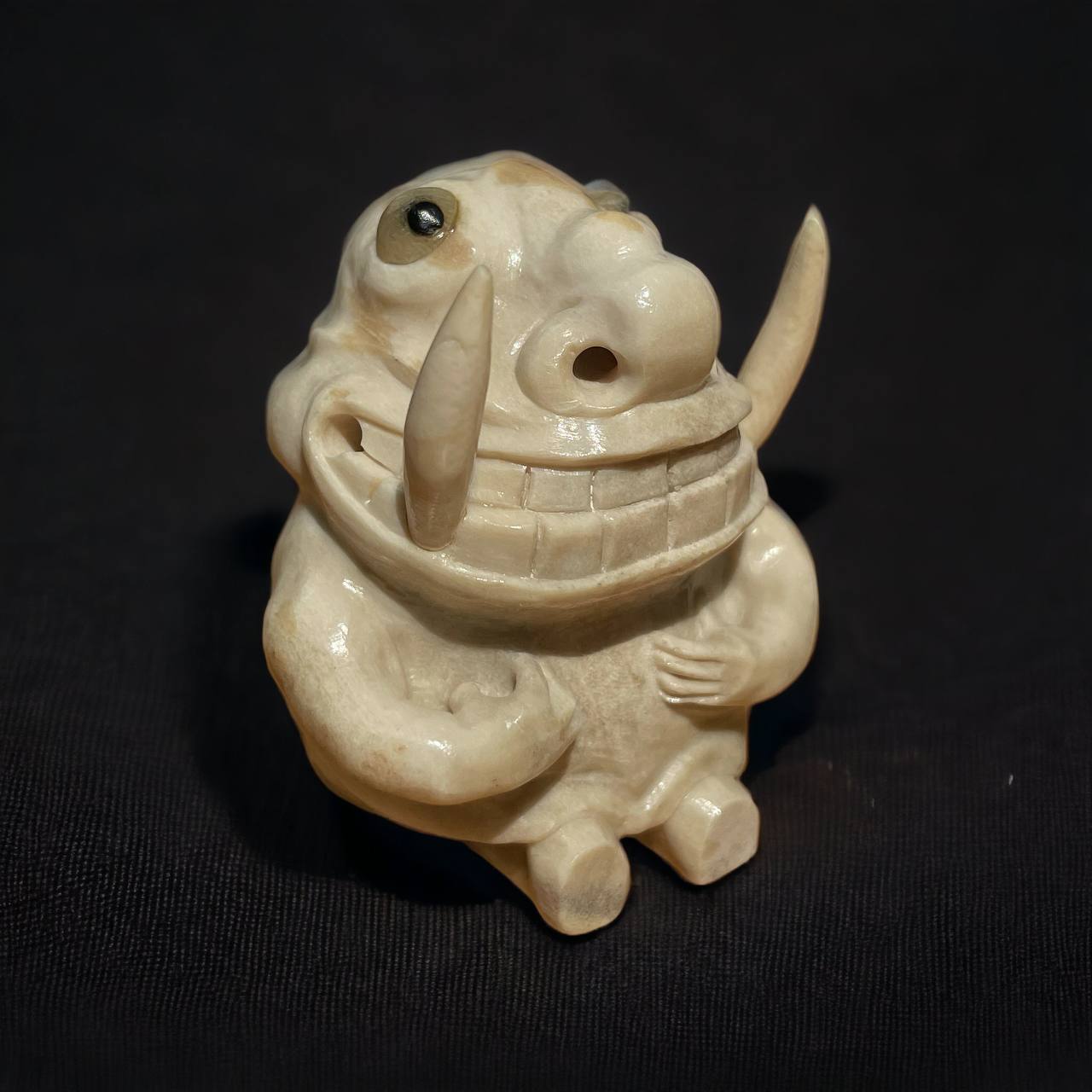
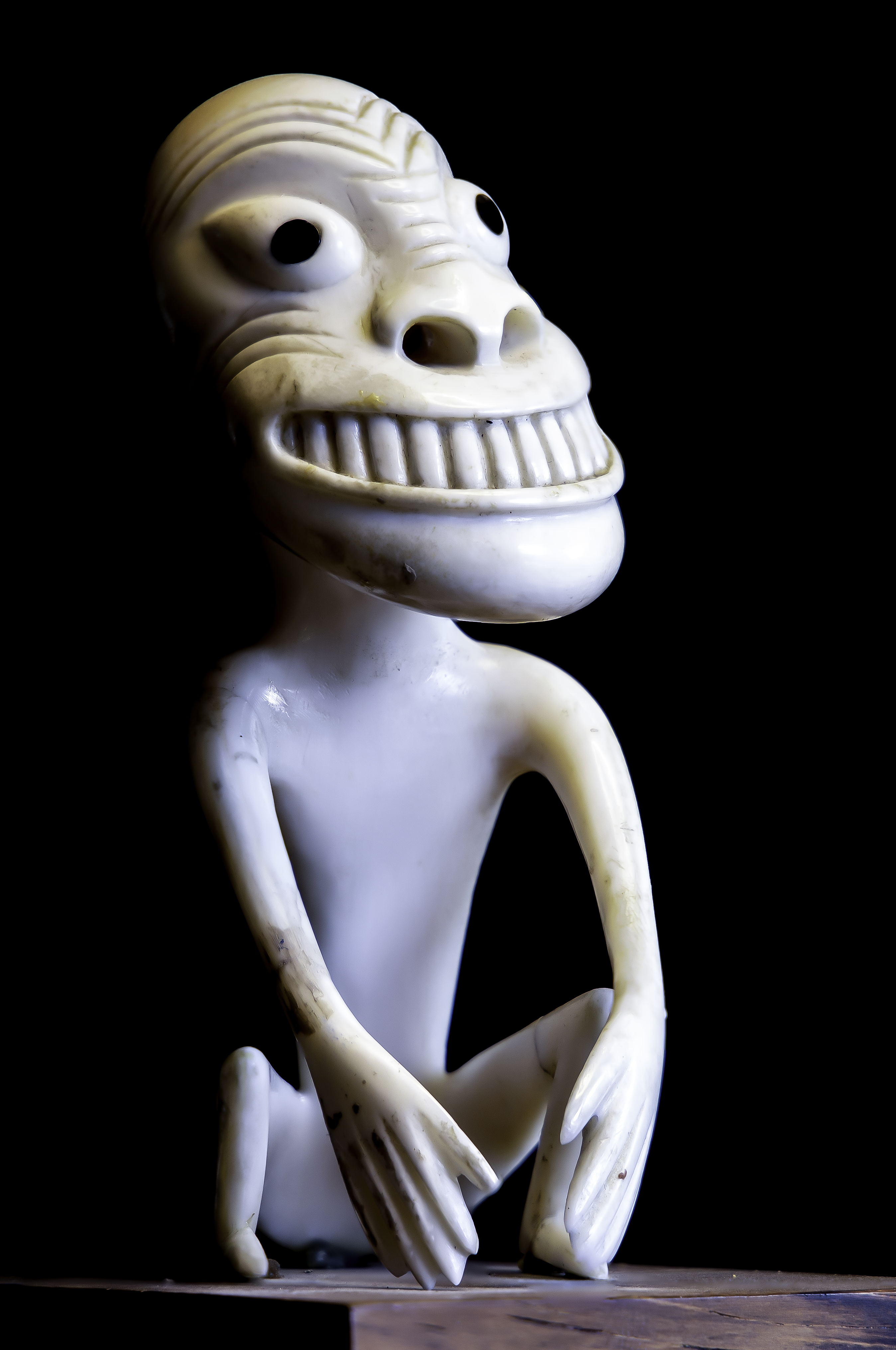
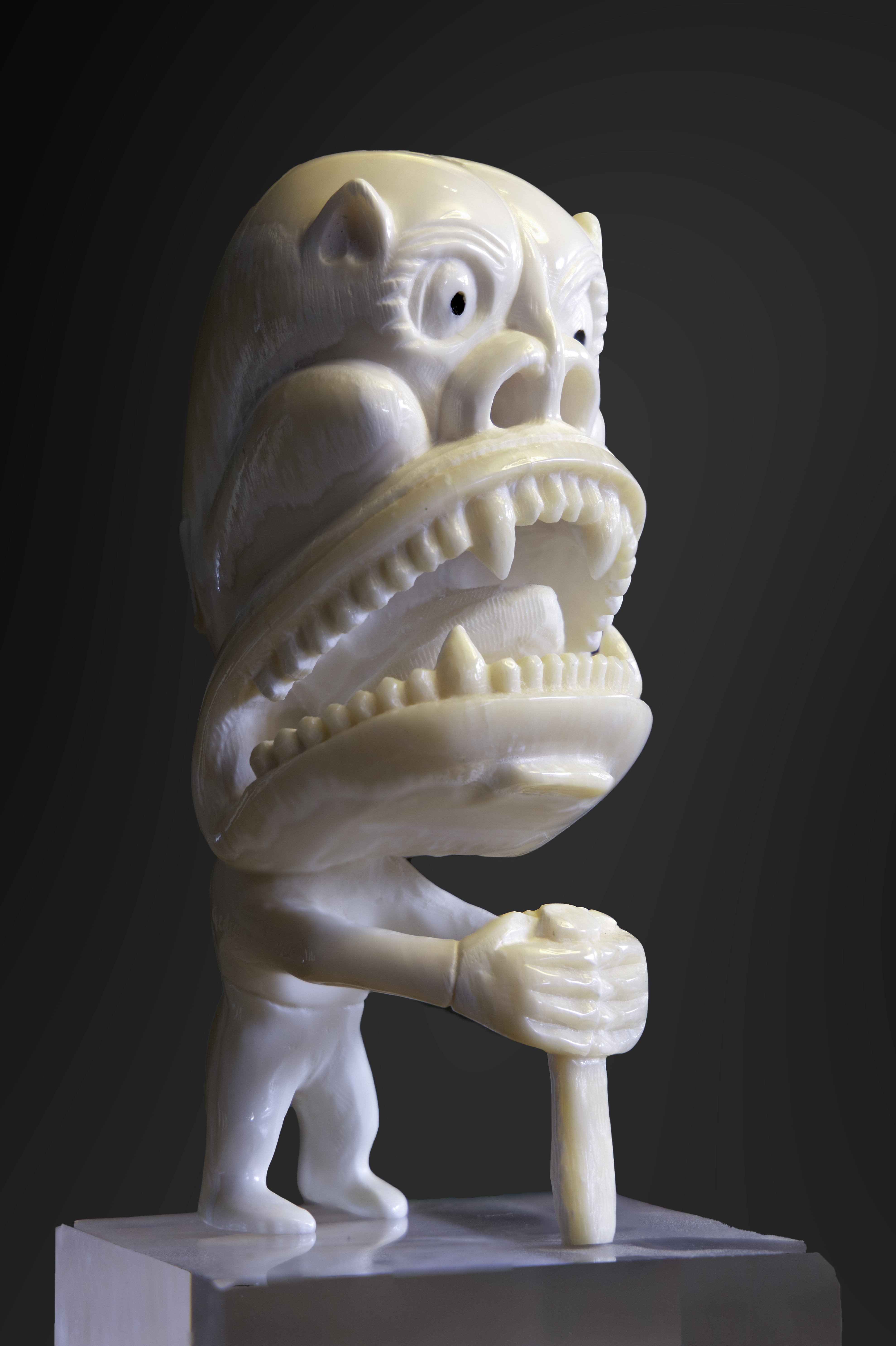
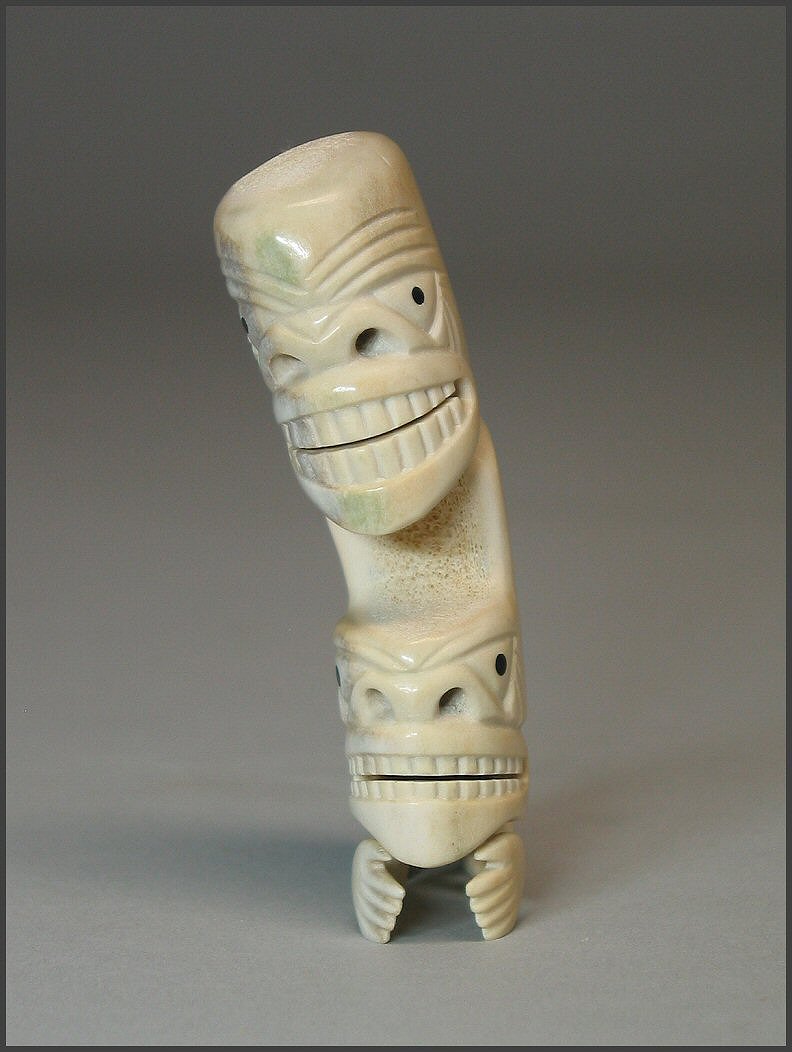
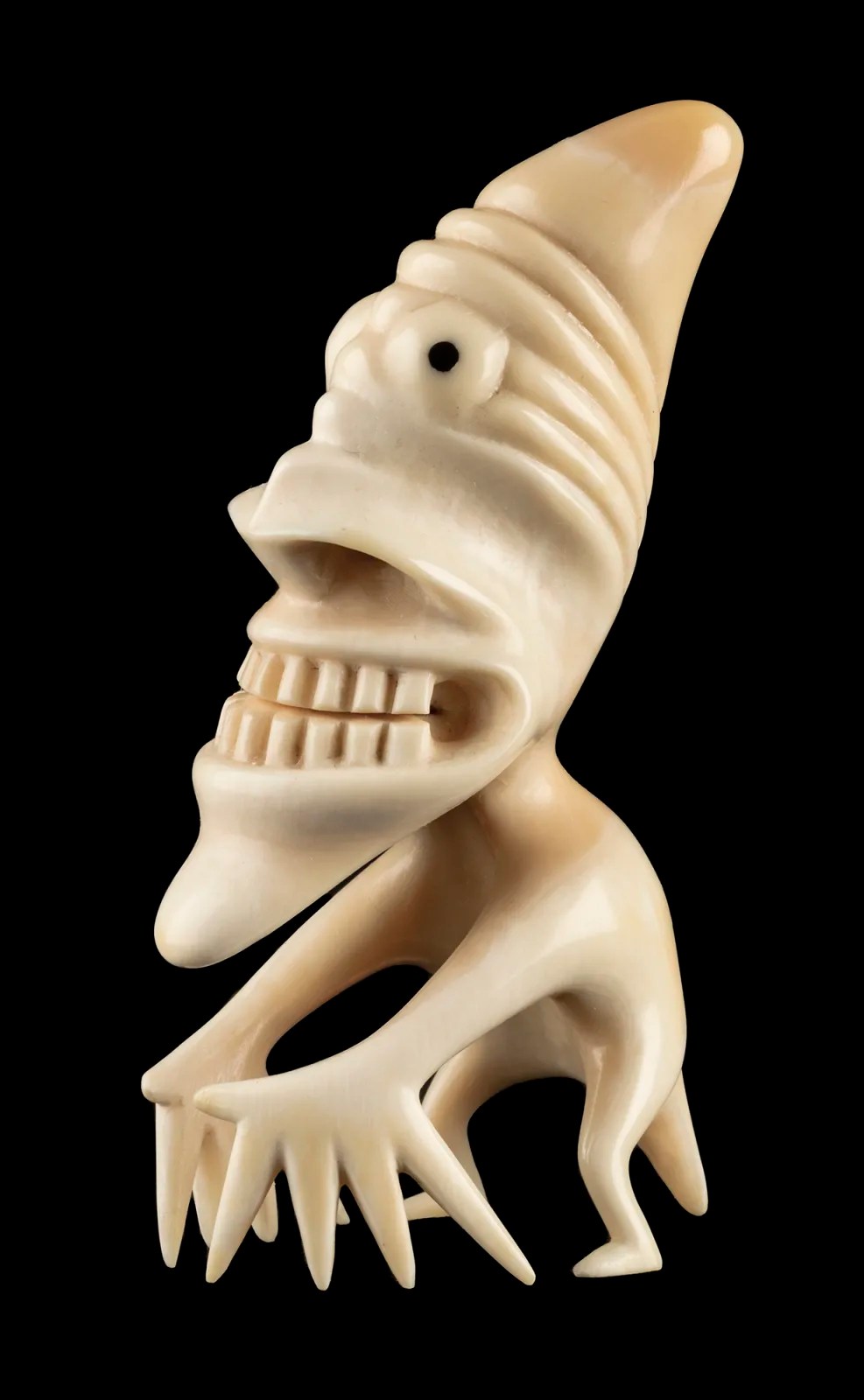
Another frequently seen element in Tupilak designs is the human figure, albeit distorted and exaggerated. Faces are often contorted into expressions of rage, terror, or mischief, with gaping mouths, elongated limbs, and bulging eyes. These grotesque features are not meant to represent real people but rather the spirits themselves—often volatile and unpredictable.
The Tupilaks are not mere grotesques but are imbued with a strange beauty. The delicacy of the carving, the smooth curves of the ivory or antler, and the detailed texture work all contribute to an aesthetic that is both haunting and elegant. The skilled hands of the carver can bring out a range of emotions, from the intimidating ferocity of a spirit in mid-attack to the mischievous grin of a trickster figure.


Cultural Significance and Modern Relevance
For the Inuit people, the Tupilak remains a powerful symbol of their cultural identity. While the modern carvings may no longer be used for casting curses, they retain a spiritual significance, a reminder of the beliefs and practices that have sustained their communities for centuries. To own a Tupilak is to hold a piece of Inuit history, a fragment of a world where the boundaries between the natural and supernatural blur.
Moreover, in today’s globalized world, Tupilaks serve as cultural ambassadors. They intrigue and educate, inviting outsiders to learn about the Inuit way of life and to appreciate the rich tapestry of myths and legends that underpin it. The sale of Tupilaks also provides a source of income for many Inuit artists, helping to sustain their communities in a rapidly changing world.
The Mystery Continues
Even today, the mystique of the Tupilak endures. Each carving, whether fearsome or playful, tells a story that is as old as the Arctic itself—a story of survival, of the interplay between man and nature, and of the invisible spirits that were believed to govern both. To admire a Tupilak is to glimpse a world that is at once distant and immediate, where the past is always present, and where every object holds a deeper meaning.
In the quiet solitude of the Arctic night, one can almost hear the whispered incantations of the old shamans, feel the cold breath of the spirits, and see the flicker of life in the eyes of a carefully carved Tupilak. It is a reminder that some mysteries, no matter how old, continue to captivate the imagination.
About the Author
For more articles visit Dayne’s Discoveries Blog, browse our online shop, or contact us to share information, stories, or photographs relating to Tupilaks.

 Dayne's Discoveries