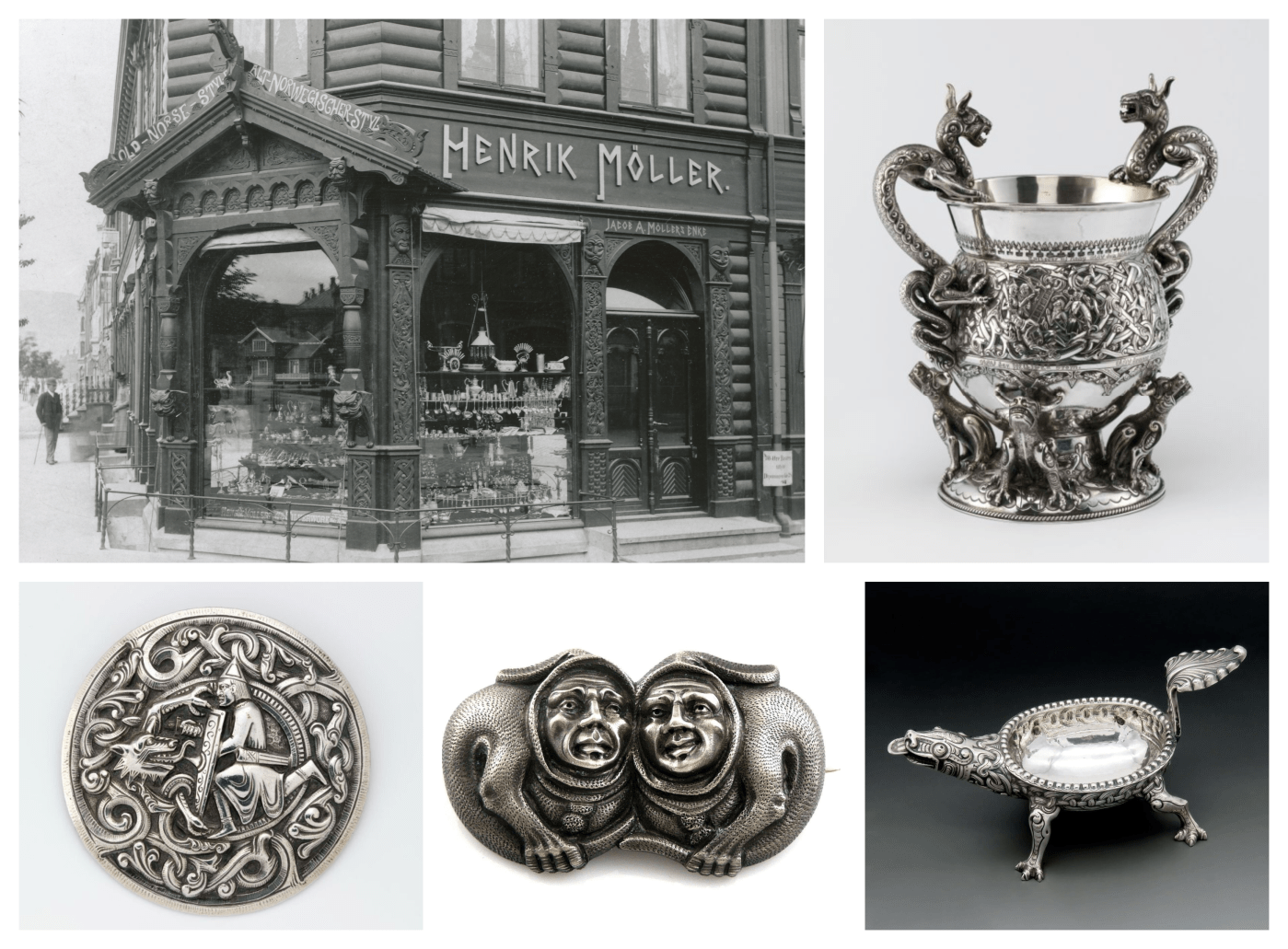
Henrik Møller was a Norwegian Goldsmith who specialised in making fine silver objects in dragestil (dragon style) and tendril ornamentation, often with elements of old Norse motifs from Nidaros Cathedral. He targeted the tourist market and quickly became internationally known. Magnificent pieces were ordered from rich customers and royalty around the world.
Henrik Bertram Møller was born in Trondheim on 11 October 1858. He was the fourth generation of a goldsmith family that took root in Trondheim in 1770. The restoration of Trondheim’s Nidaros Cathedral, which began in 1869, was an important source of inspiration for decorative artists by the late 19th century, and especially for Møller. After 1 1/2 years at sea at the age of 14, he started as a goldsmith’s apprentice in his mother’s workshop (Jacob A. Møller’s Widow). He took the Svenneprøven (a traditional final examination that is taken in vocational and craft subjects) in Copenhagen in 1879. In the late 1870s, he learned corpus work and chiselling from Bernhard Hertz in Copenhagen; in the evenings he studied modeling, drawing, etc. at the art academy. From Copenhagen he went to Vienna to learn more, and he was also in New York for 1 1/2 years before settling down for good in Trondheim in 1884. In 1890, he established himself as a silver worker, sieve maker and model maker.
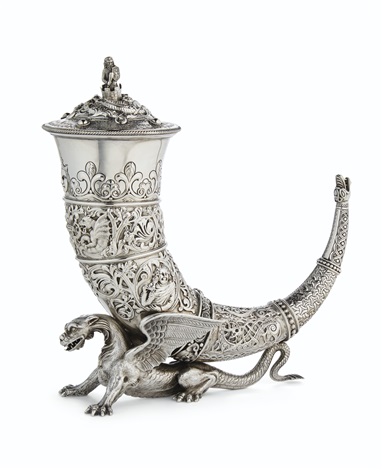
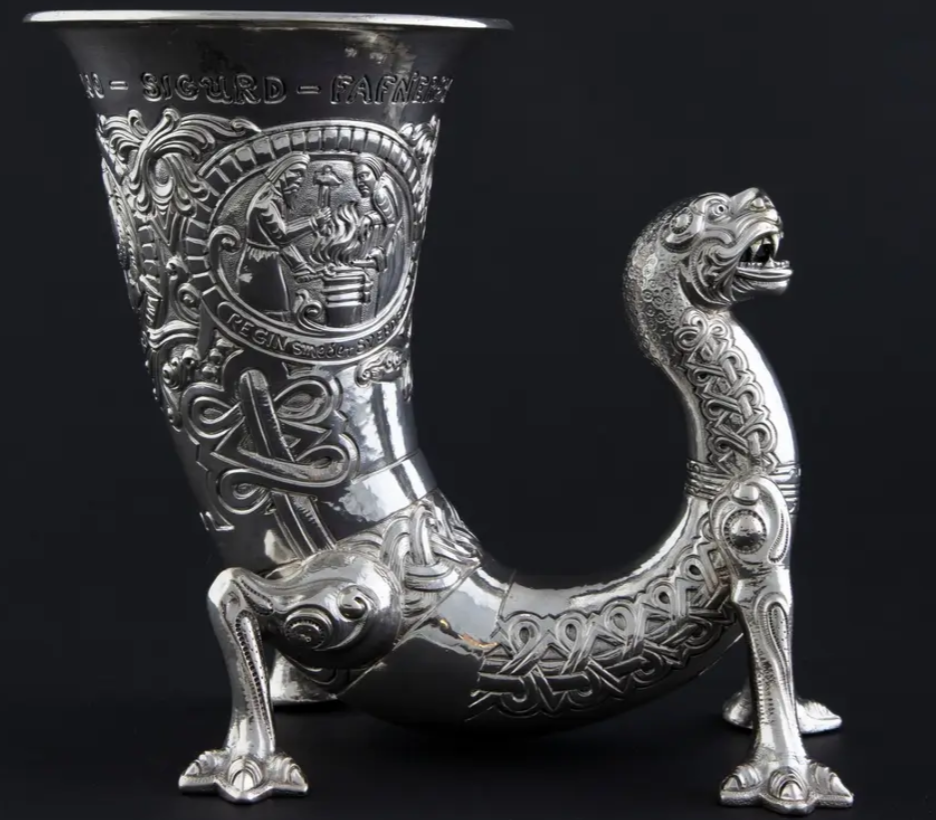
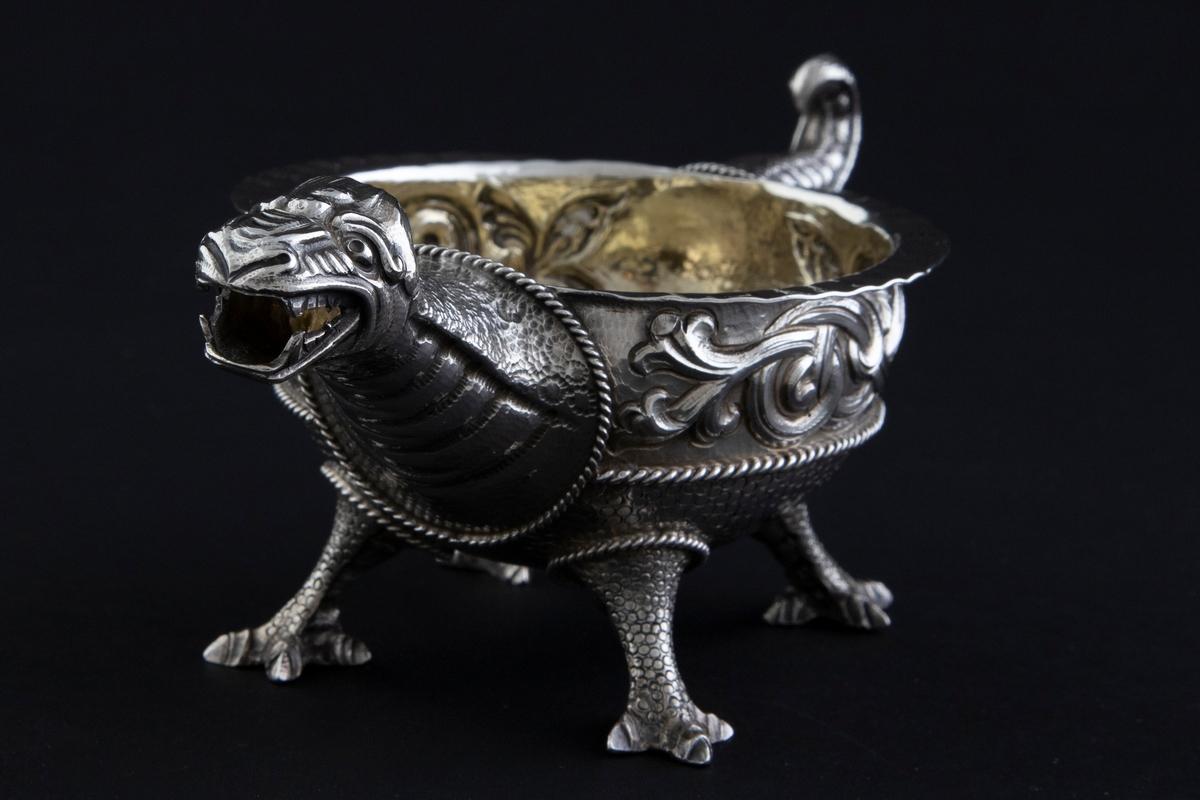
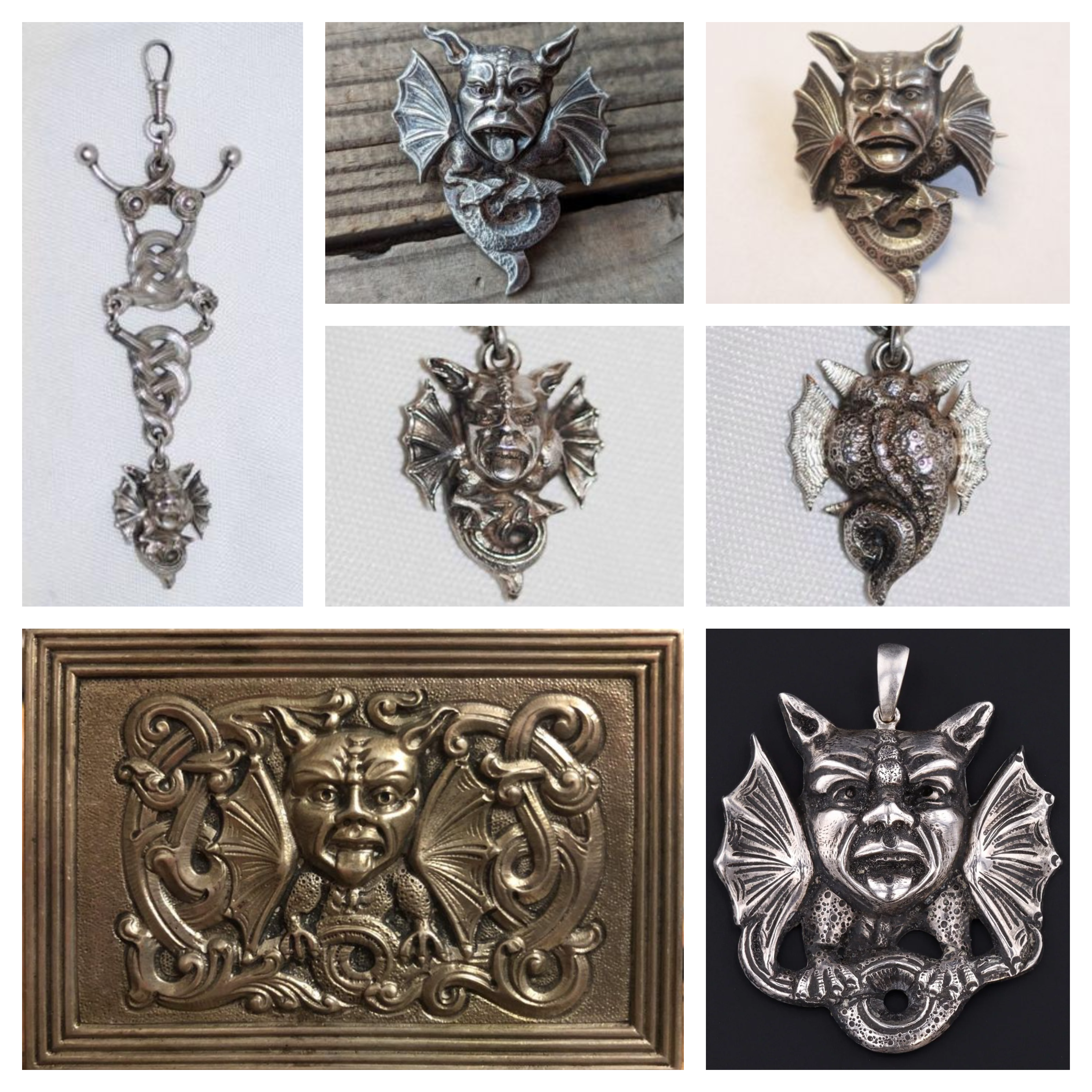
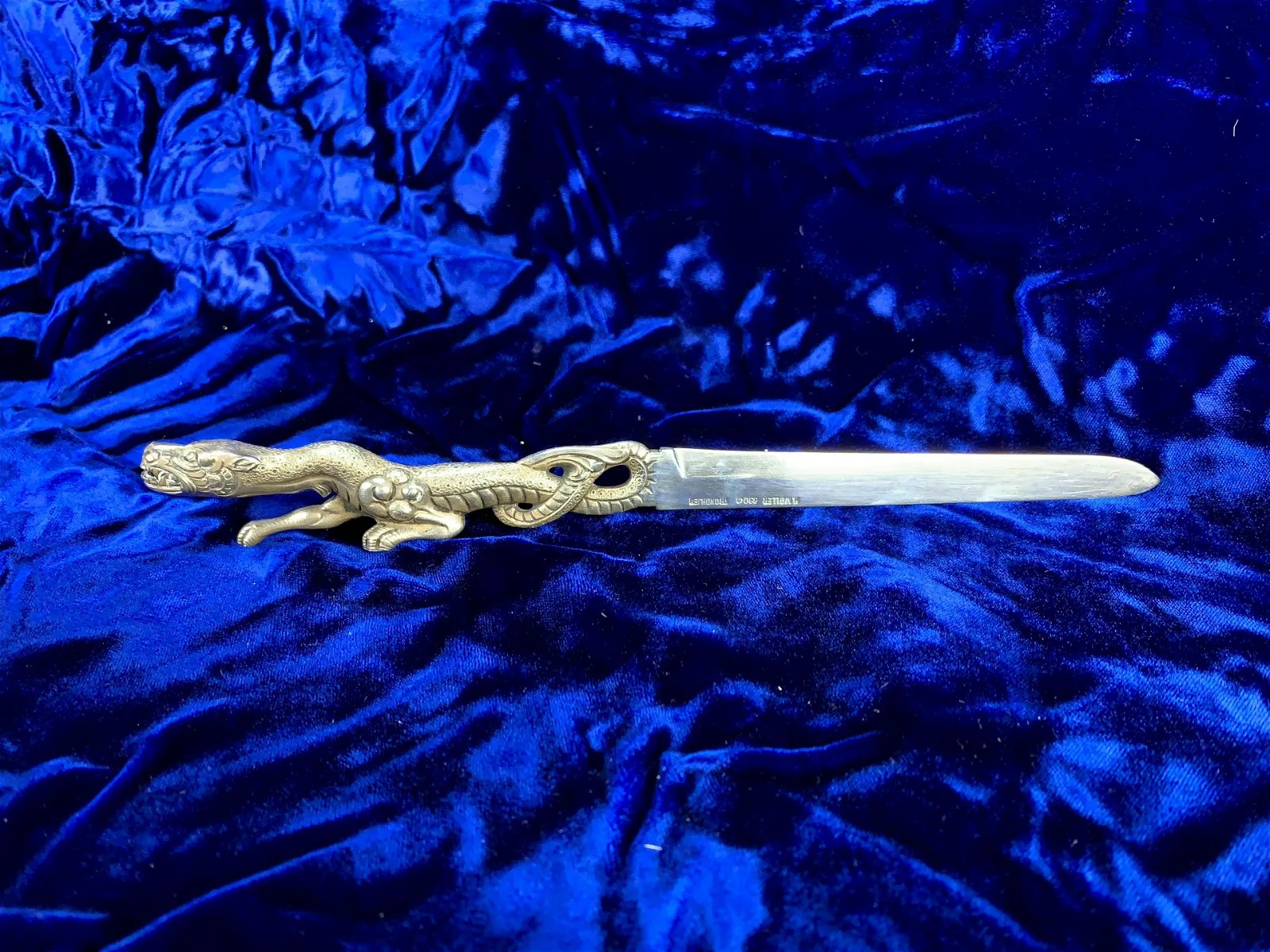
Right up until the 1930s, Møller’s work was characterized by the romantic enthusiasm for the past in the dragon style from the end of the 19th century. Based on his own drawings, he created imaginative works with dragons and other mythical animals, compact tendril and animal ornamentation, motifs inspired by Norse mythology and saga literature, stave churches and Nidaros Cathedral. According to Møller, the dragons symbolized the fight against evil. They can be found twisting along his silver jugs, drinking horns and jewelry. Roaring, biting and a little terrifying in all their beauty, they speak the same language as the heads above the roof in the cathedral.
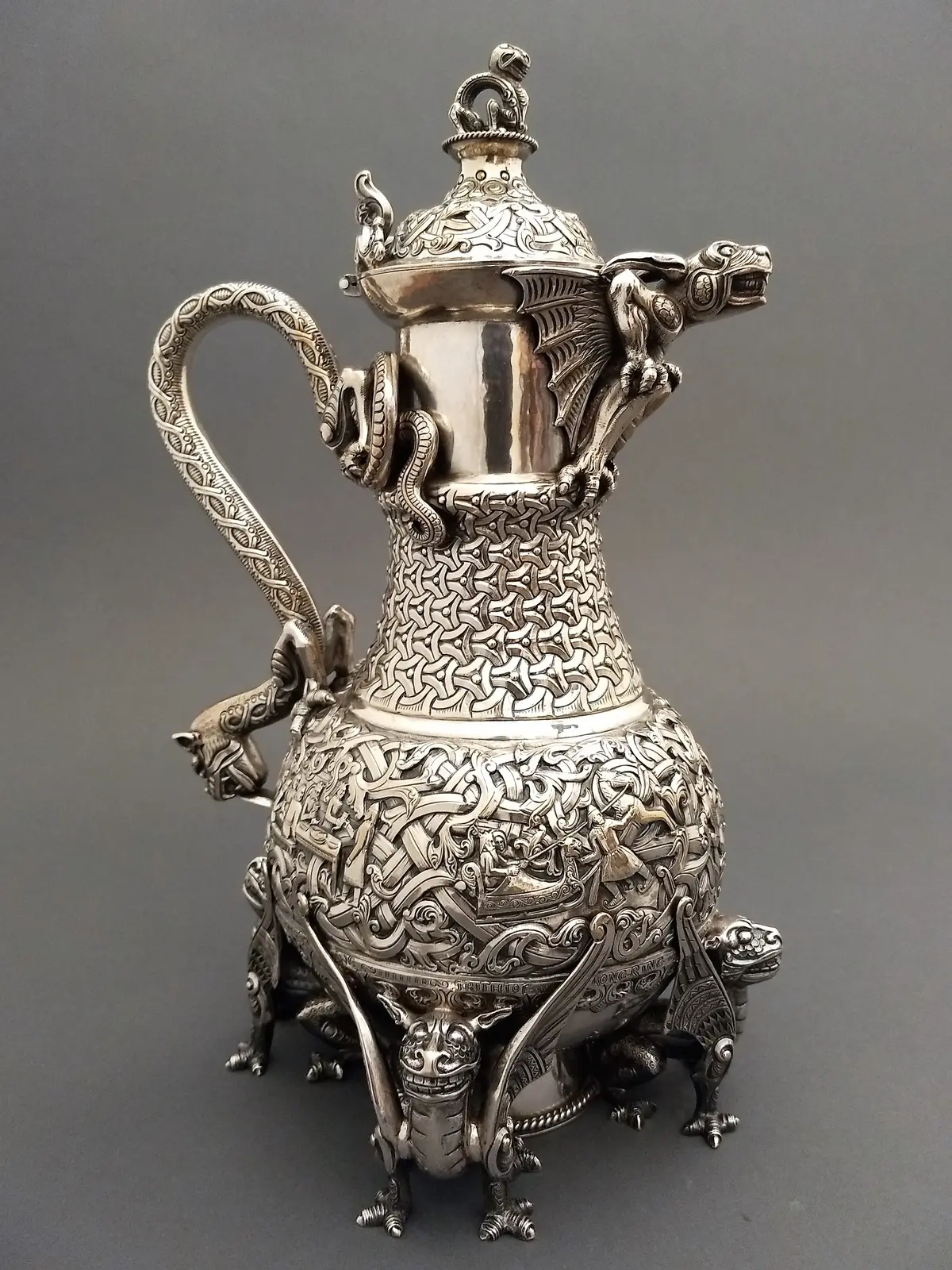
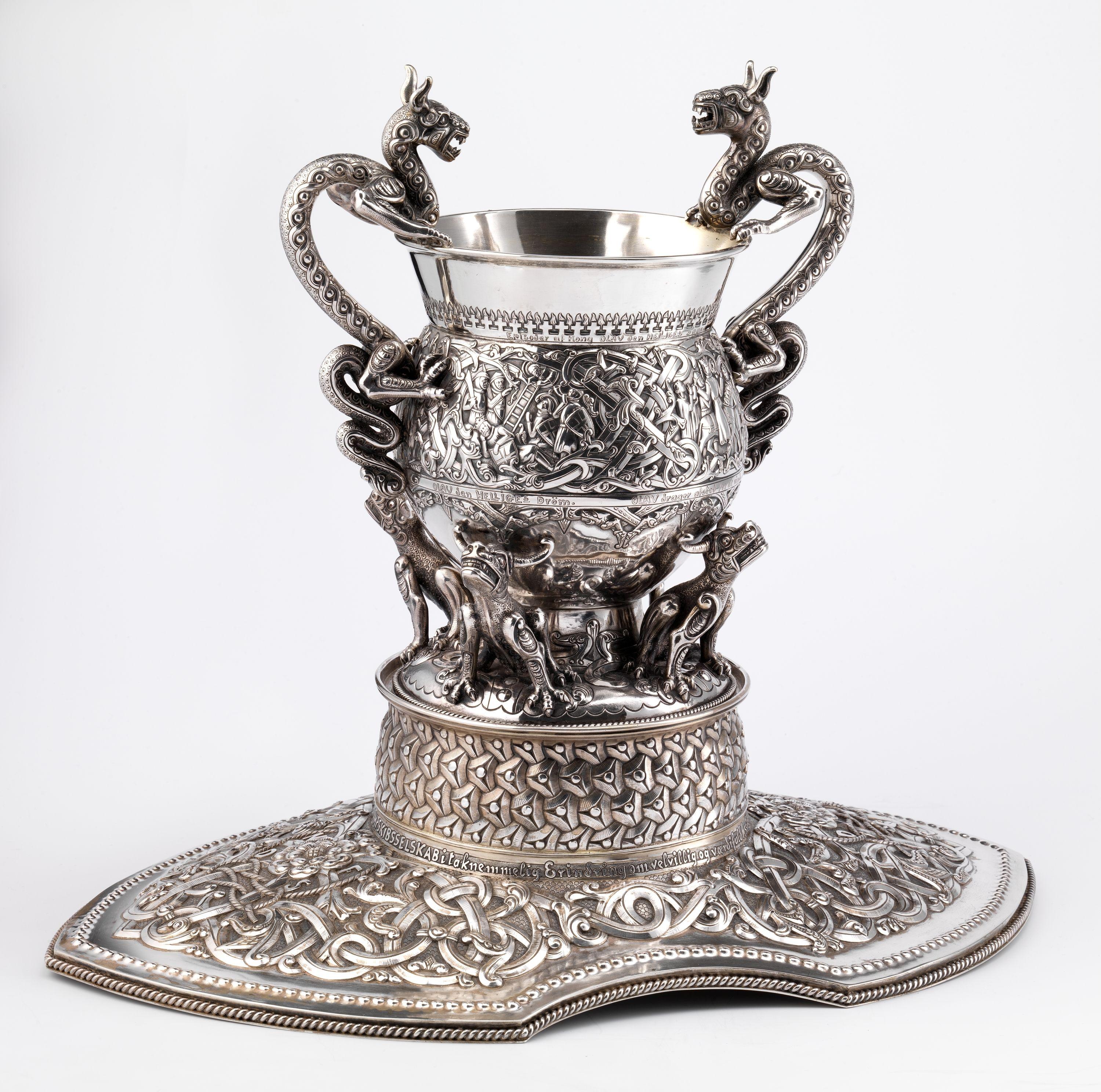


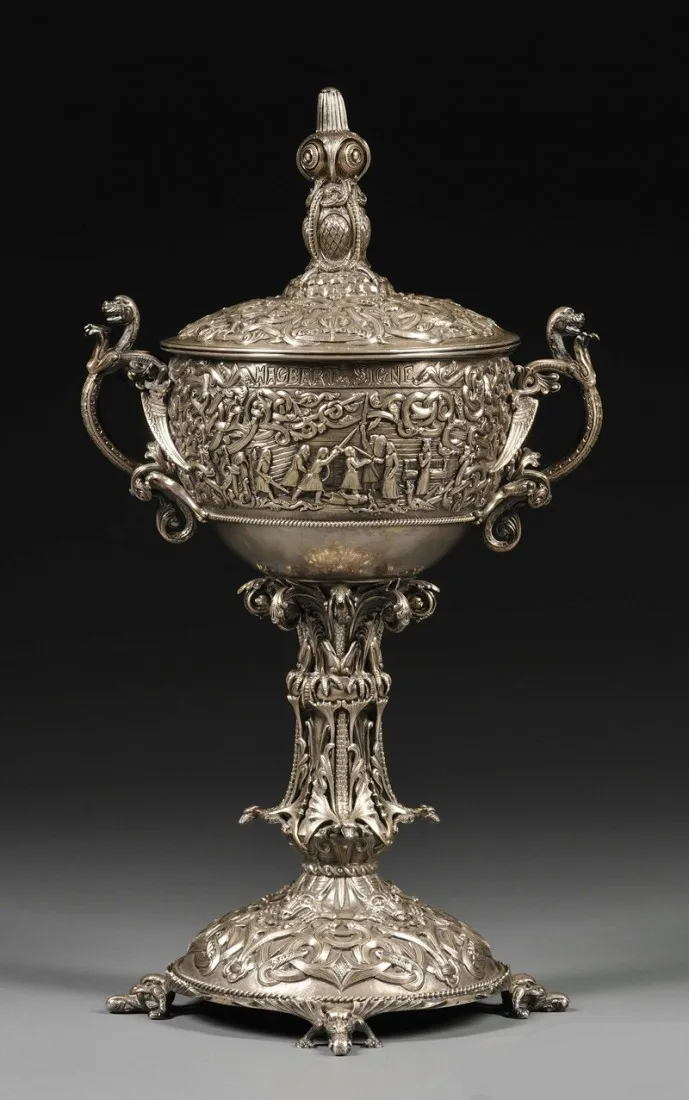
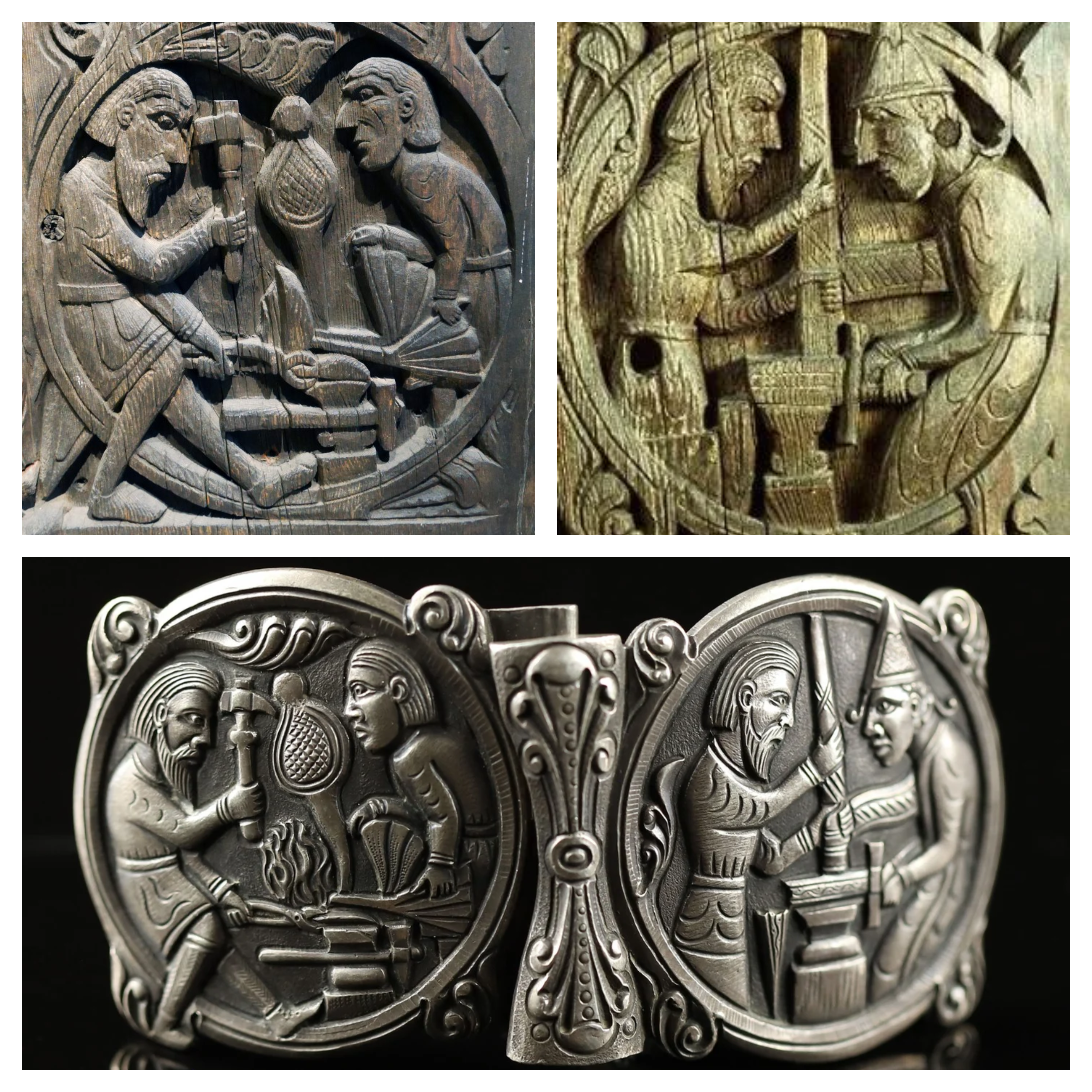
Møller also reproduced the magnificent scenes of the saga of Sigurd Fåvnesbane which were carved in the wooden portal in Hylestad stave church ca 1175:

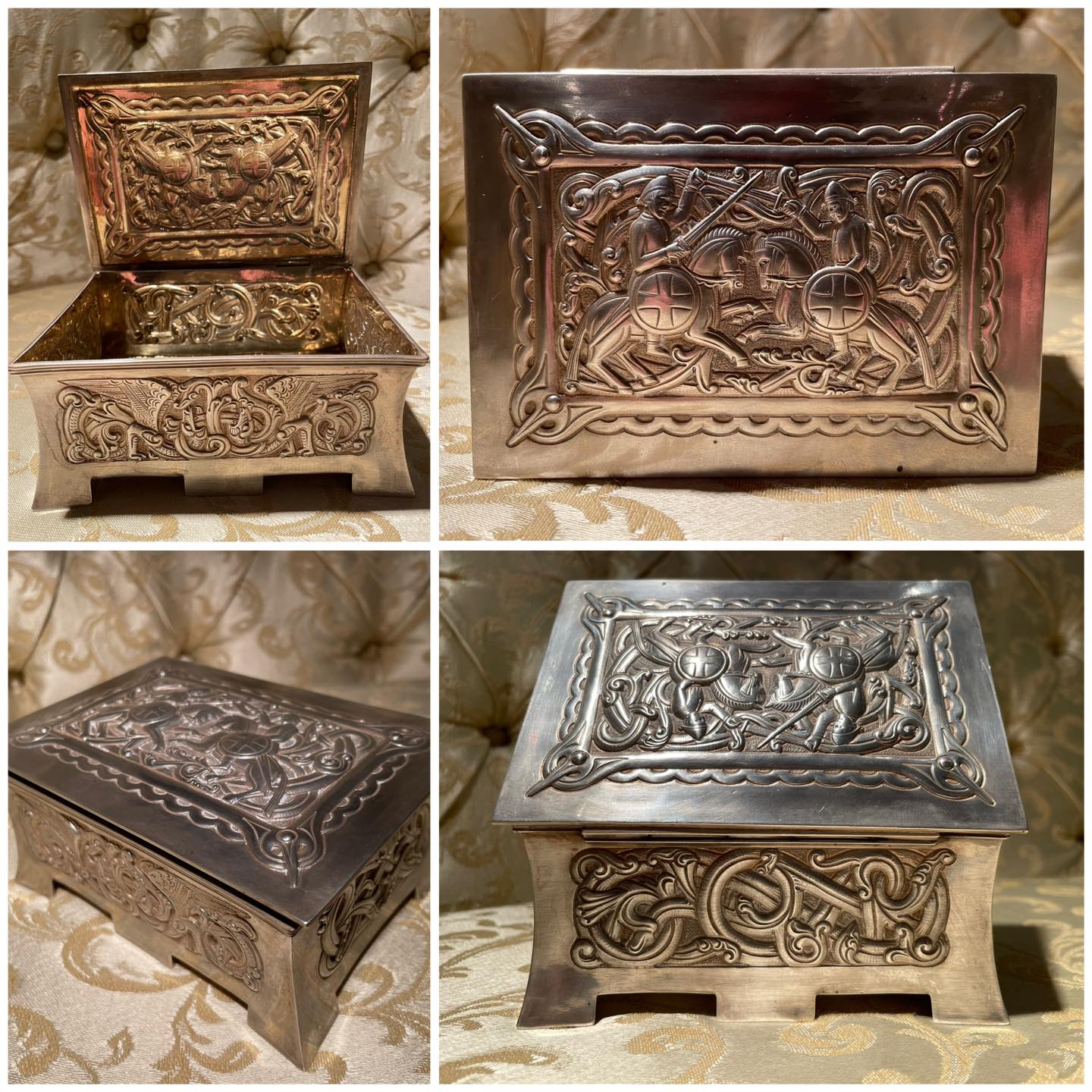
The inscriptions on this silver box can be translated to: “The knight rescues the lion from the dragon. The lion thankfully accompanies the knight. The lion dies of sorrow on the knight’s grave.“
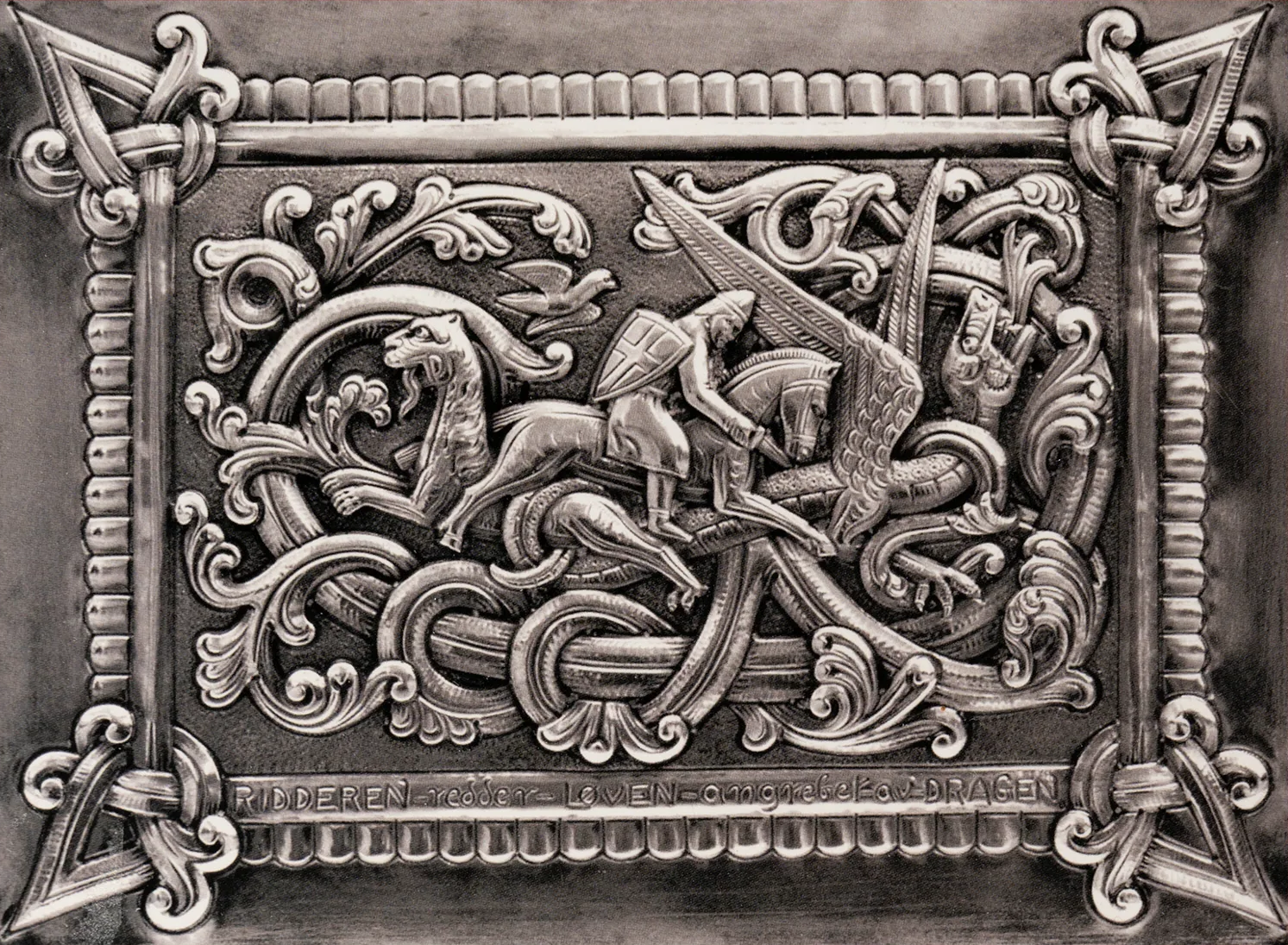
It seems Møller drew inspiration from the legend of “Yvain, the Knight of the Lion” (also known as “Yvain, le Chevalier au Lion”) by Chrétien de Troyes, a 12th-century French poet. In this tale, the knight Yvain rescues a lion from a serpent (sometimes interpreted as a dragon). The grateful lion becomes Yvain’s loyal companion. The bond between Yvain and the lion is strong, and they share many adventures. However, the detail about the lion dying of sorrow on Yvain’s grave is not explicitly part of Chrétien de Troyes’ original narrative. This element might be an embellishment or a variation found in later adaptations or retellings of the story.

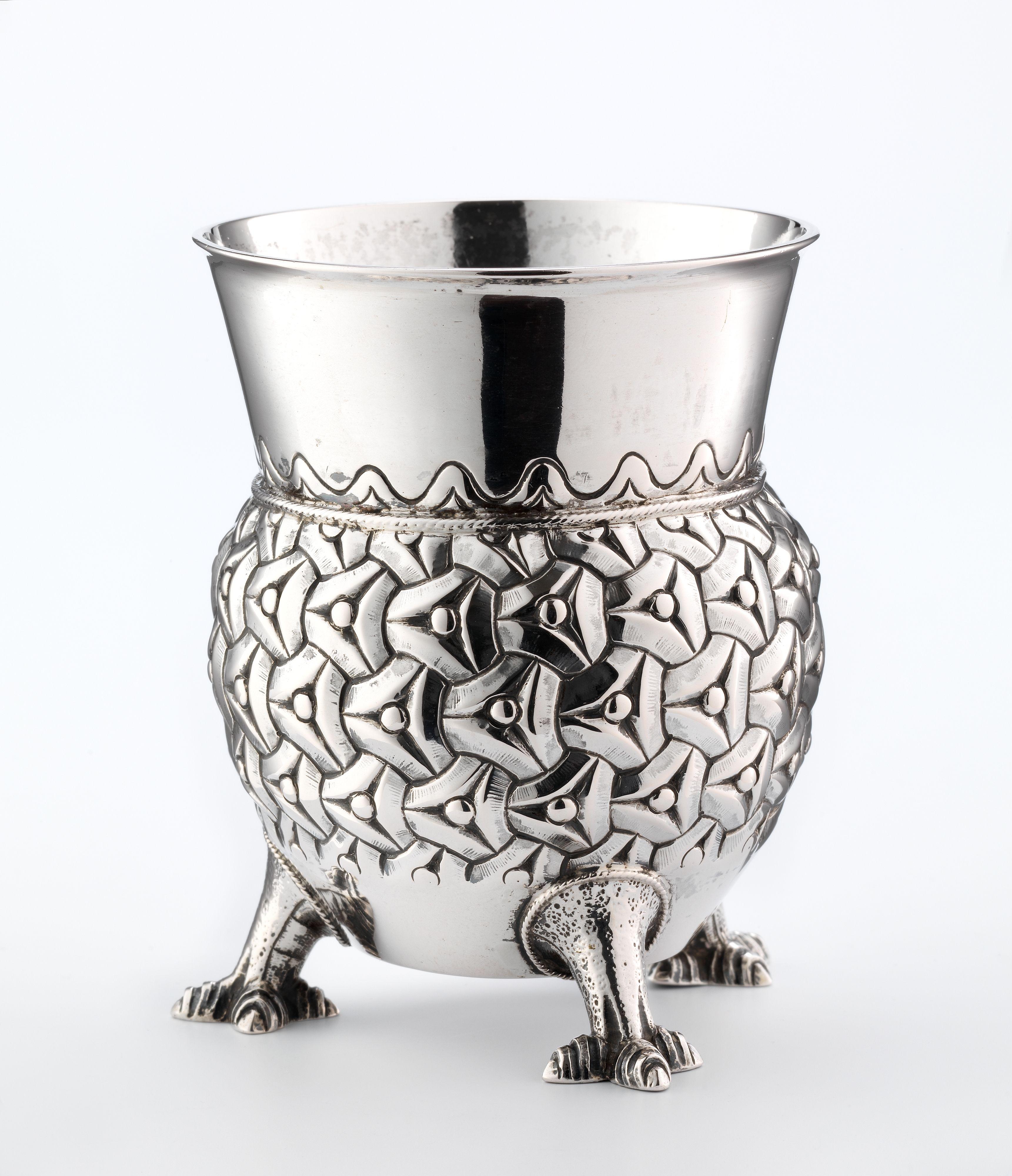
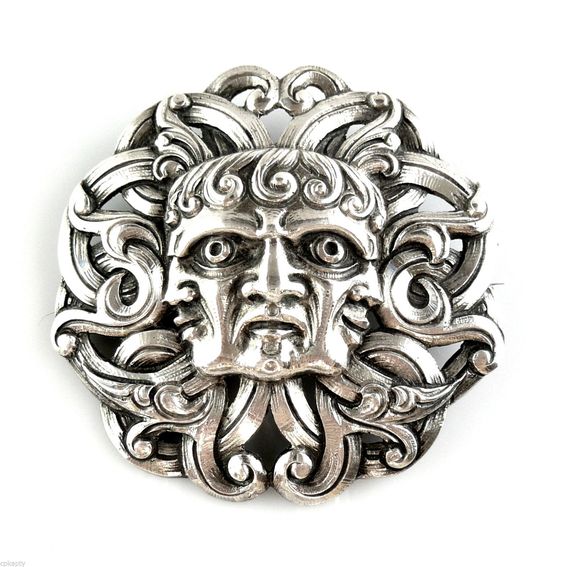
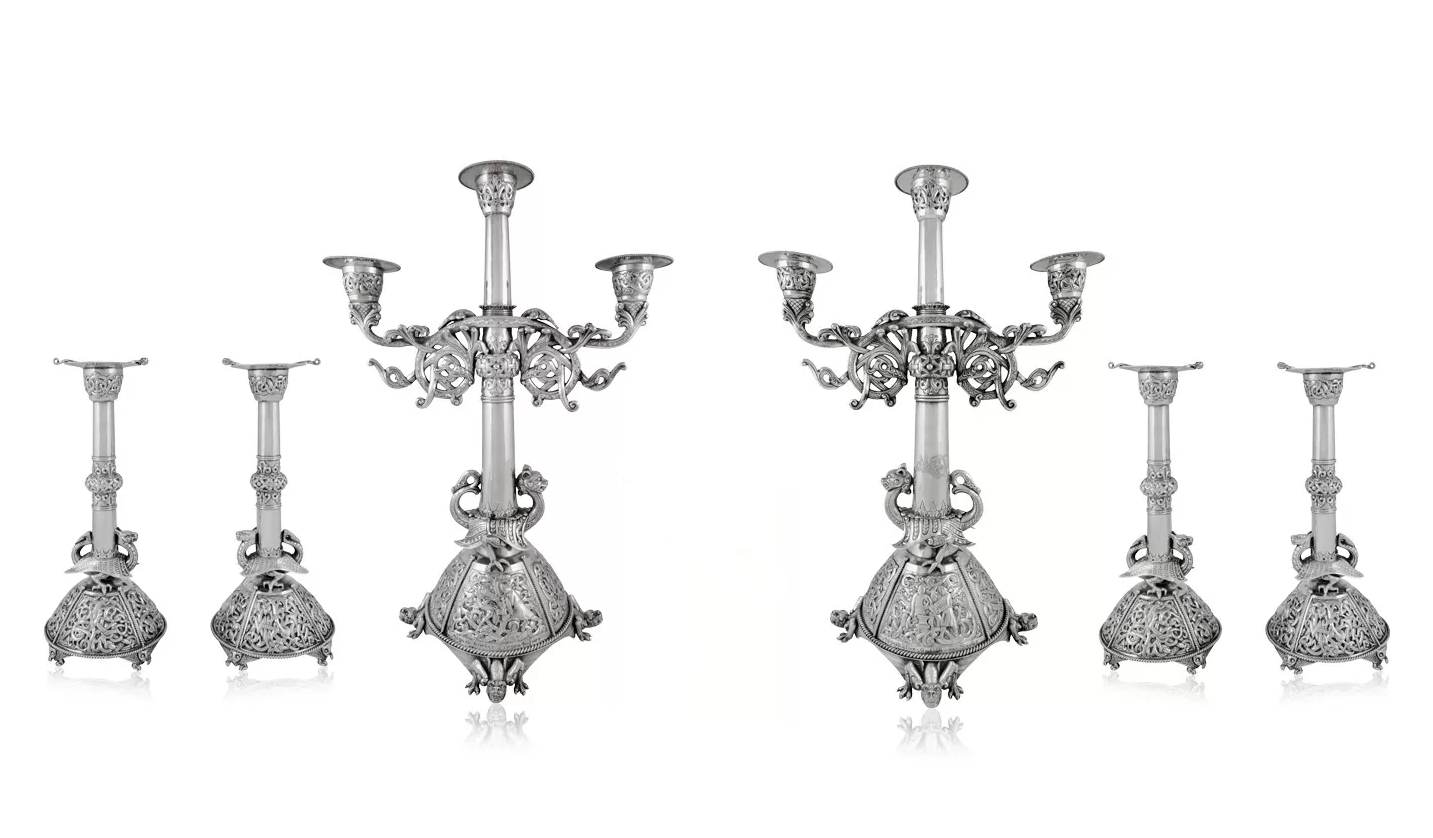
Experience the mythical world of Henrik Møller, hammered in silver and conveyed through fantastic craftsmanship:
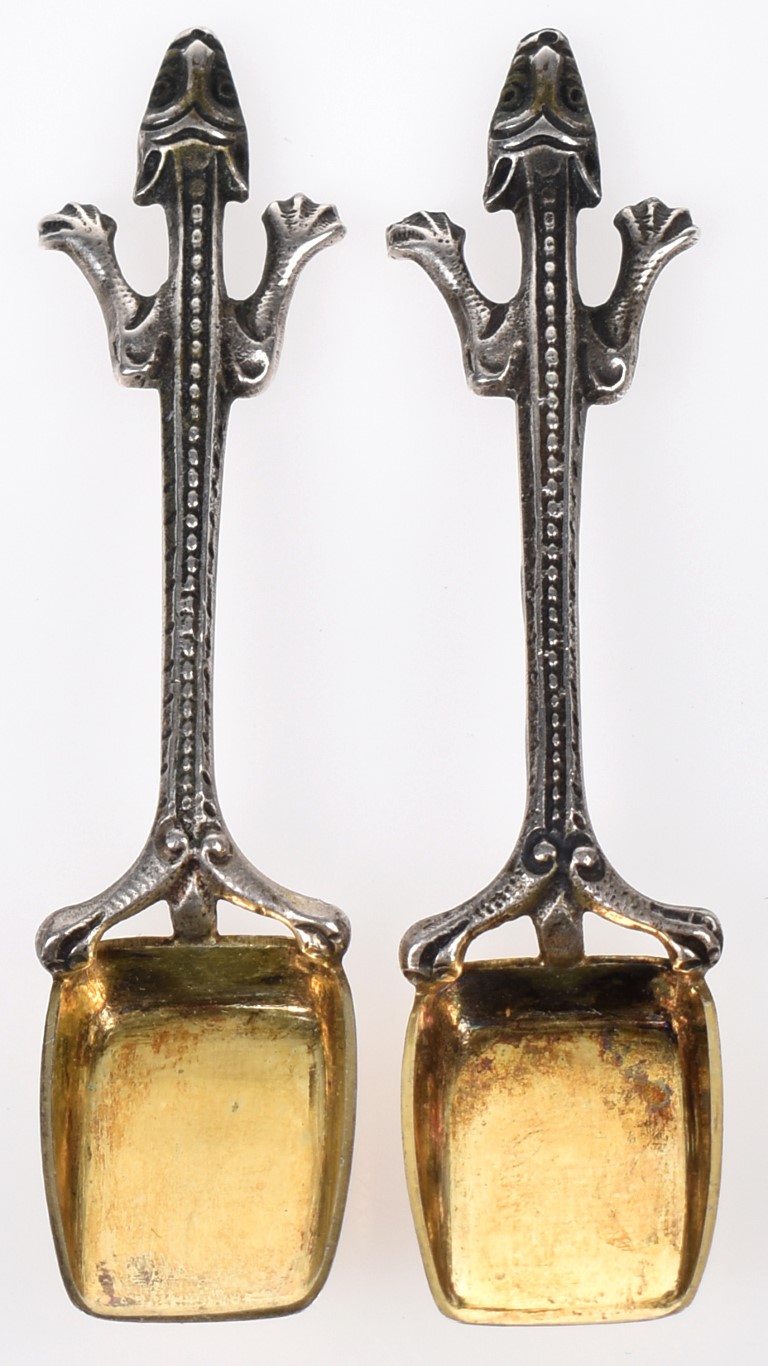
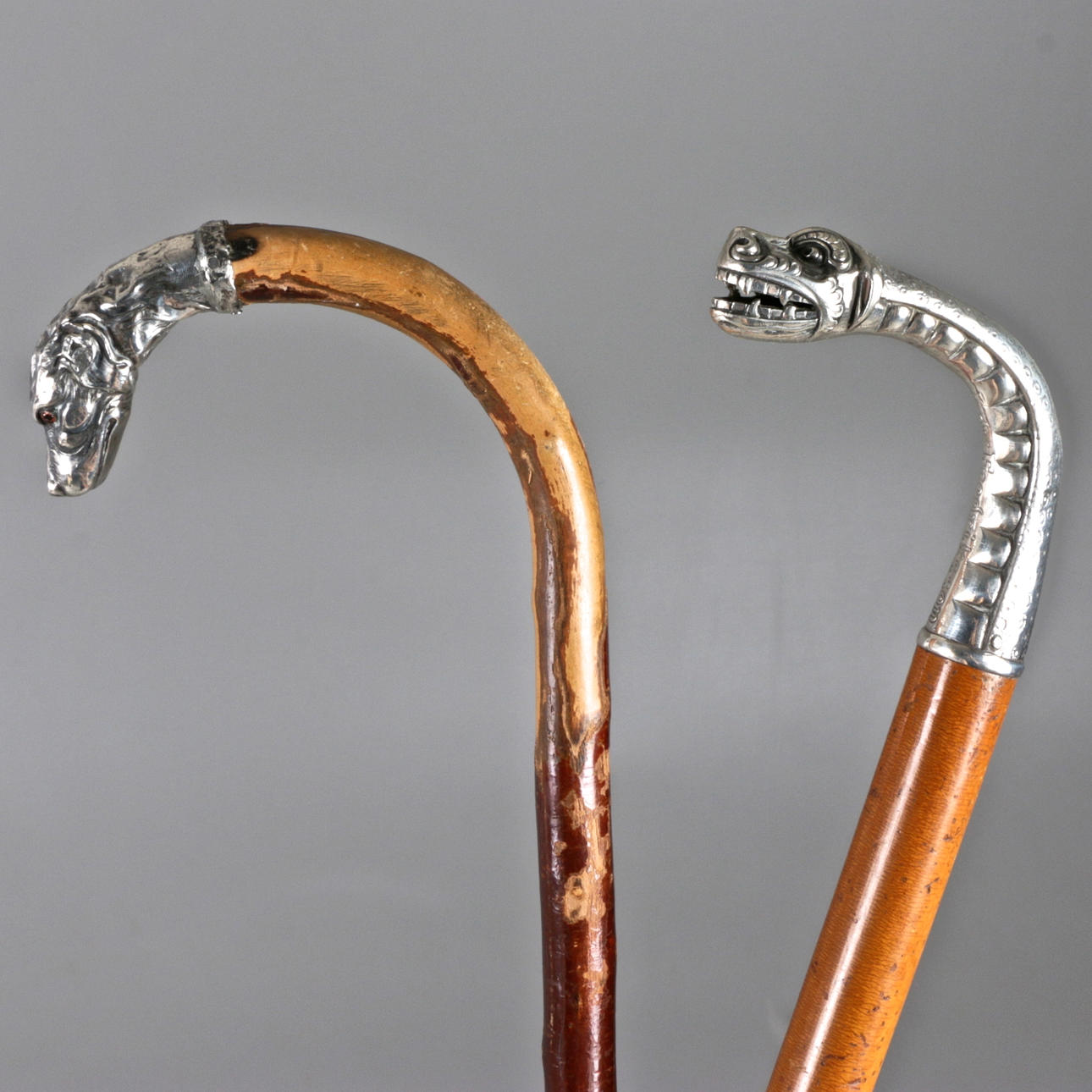

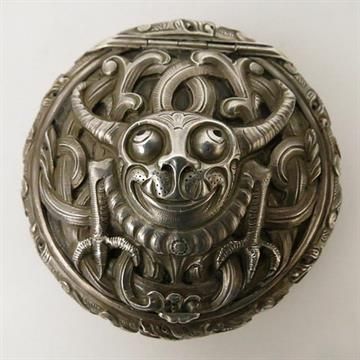
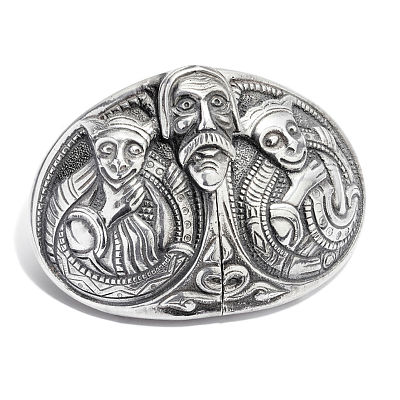
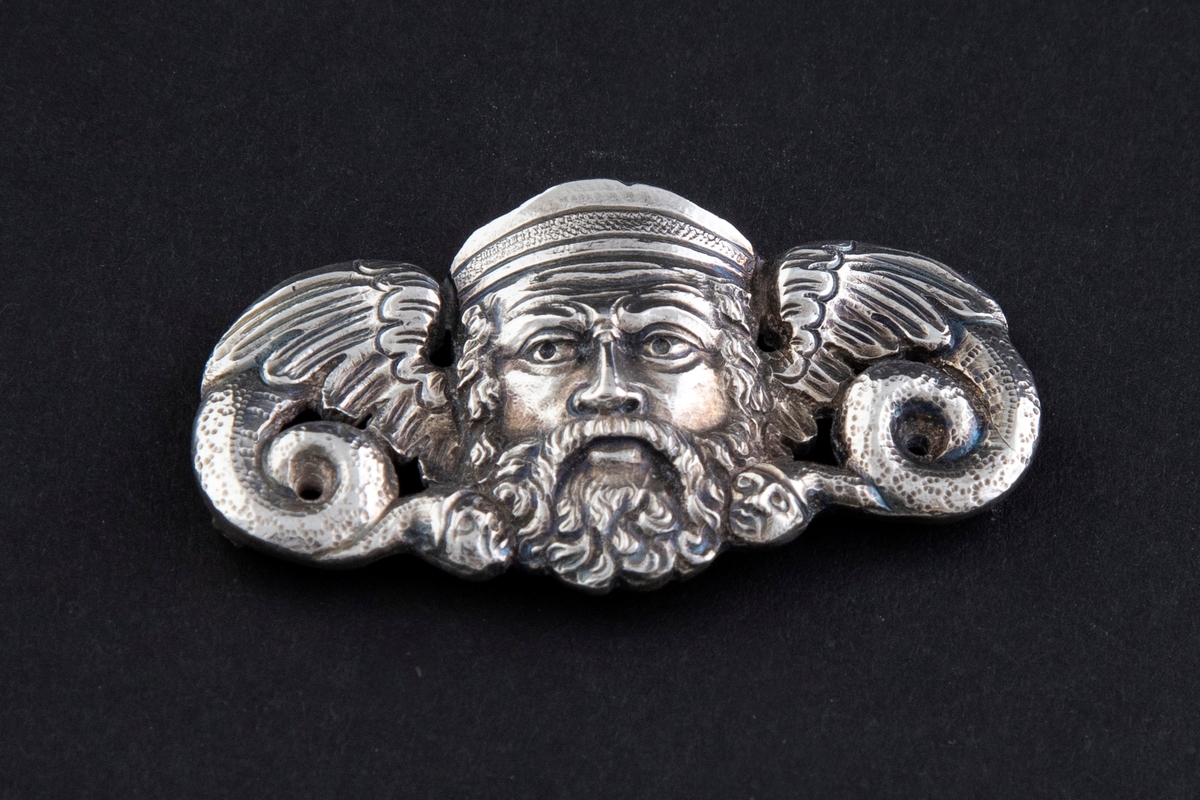
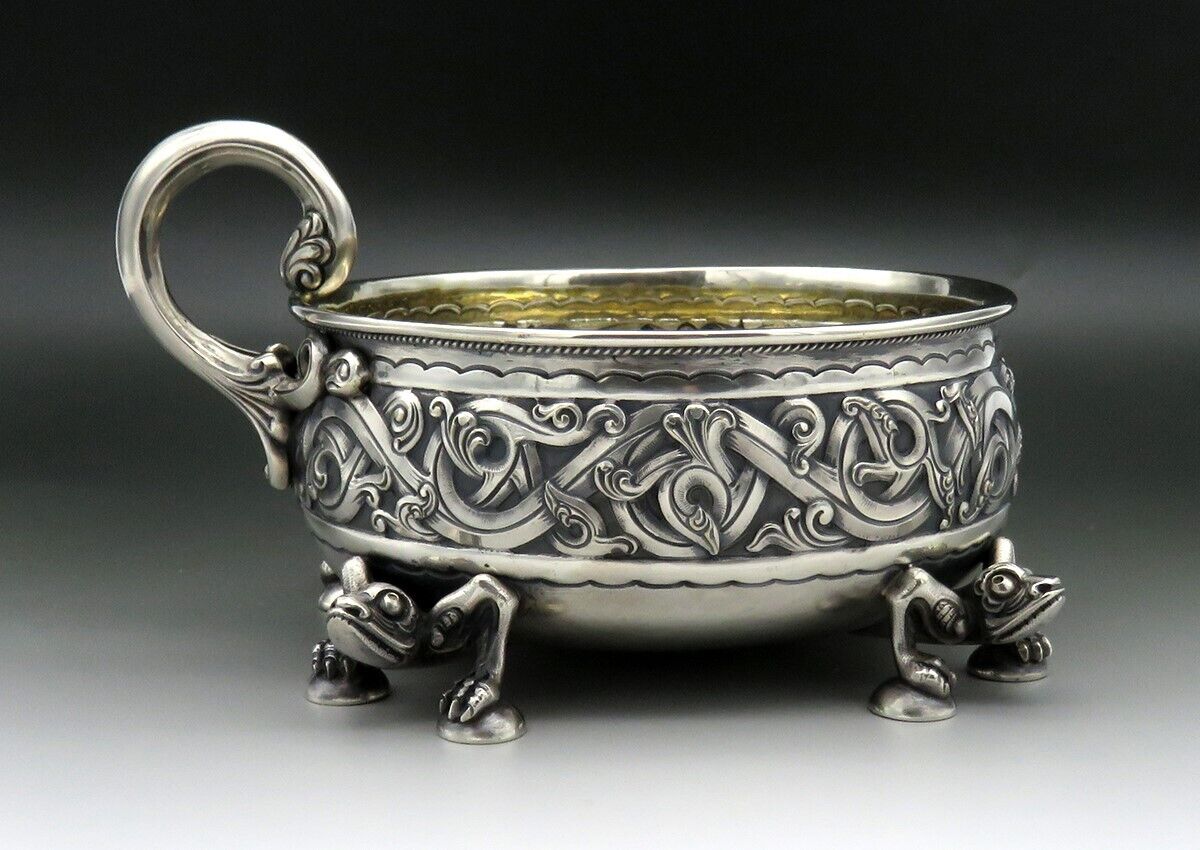
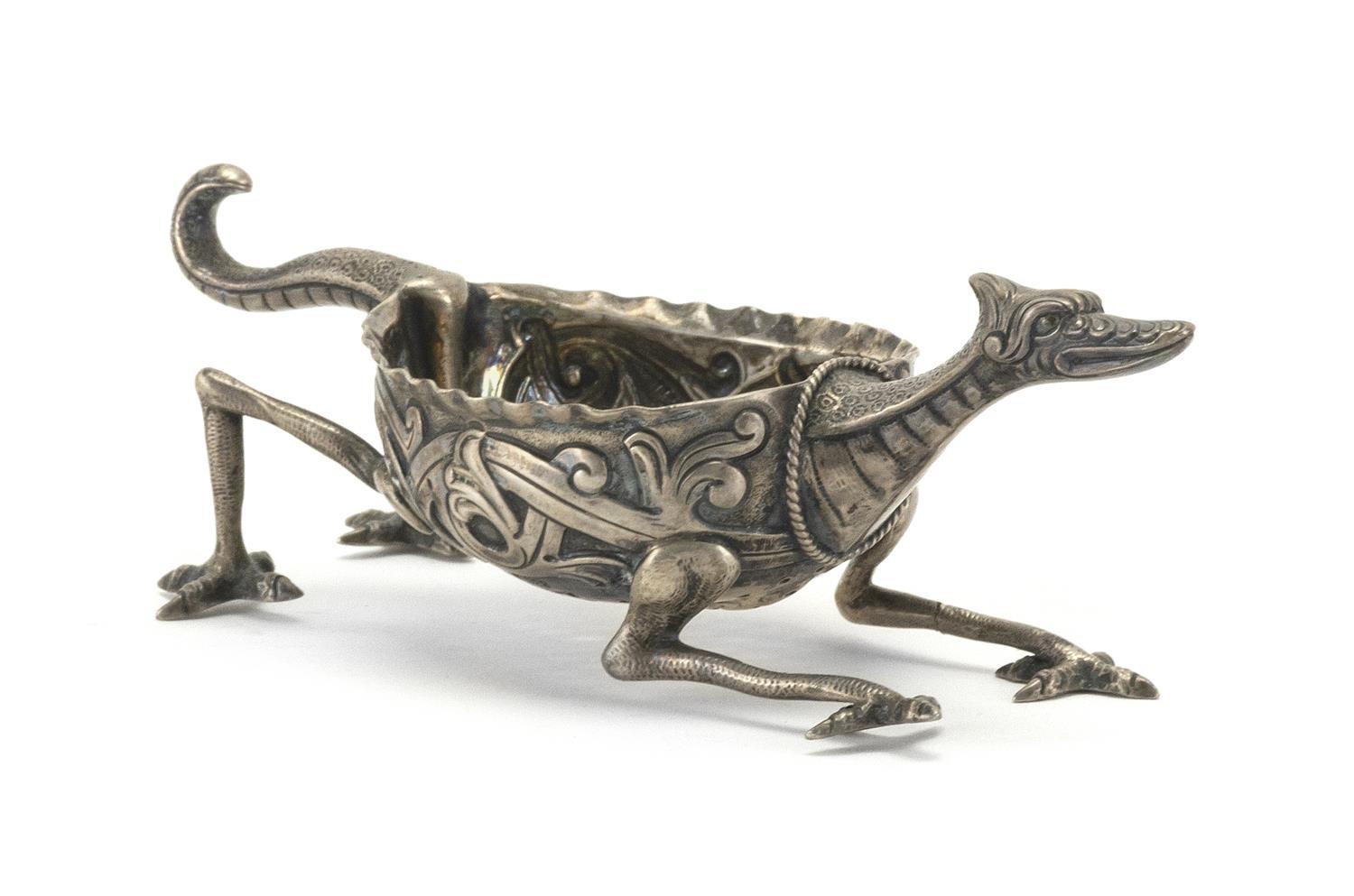
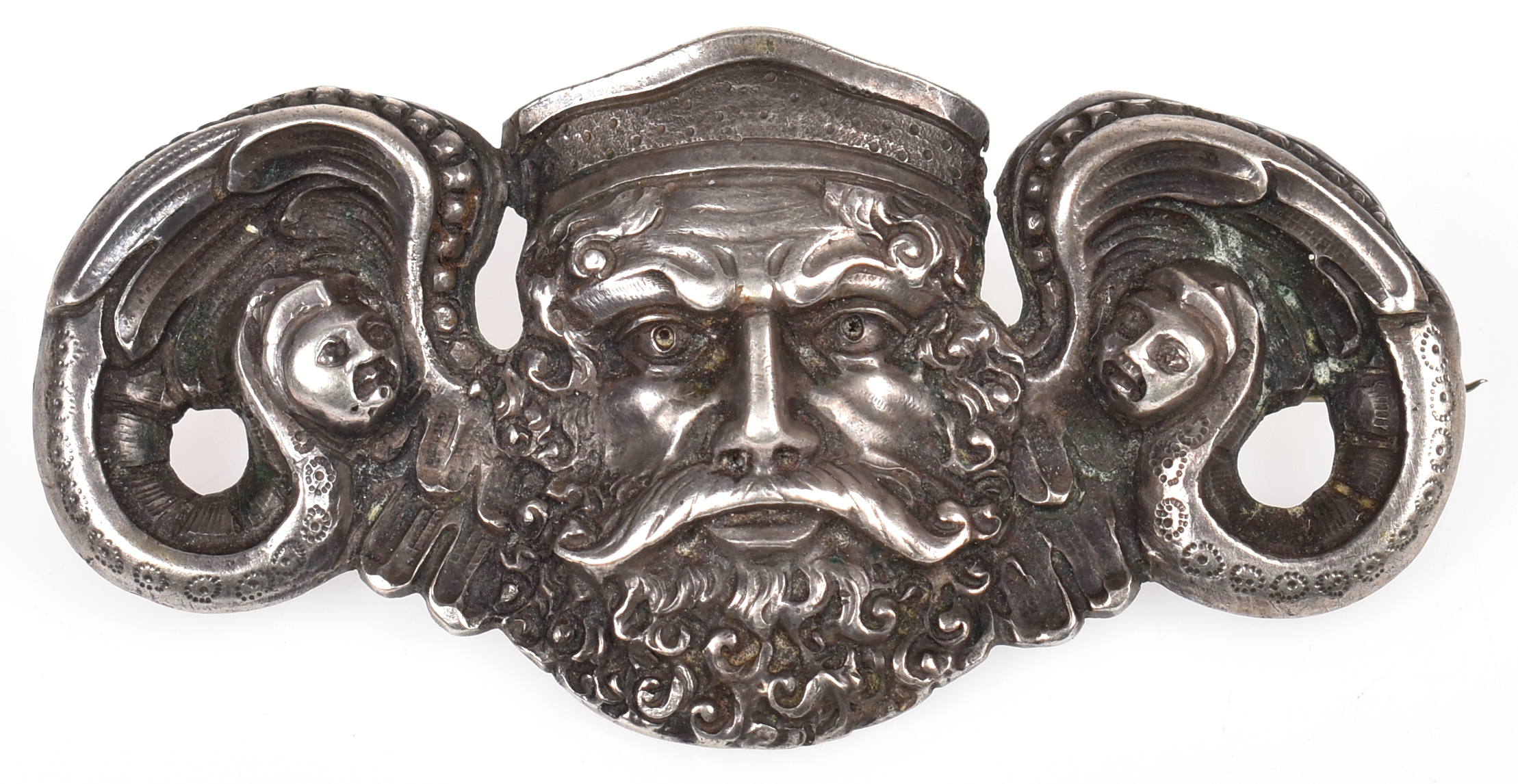
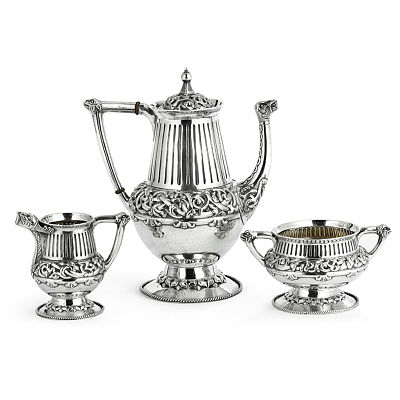
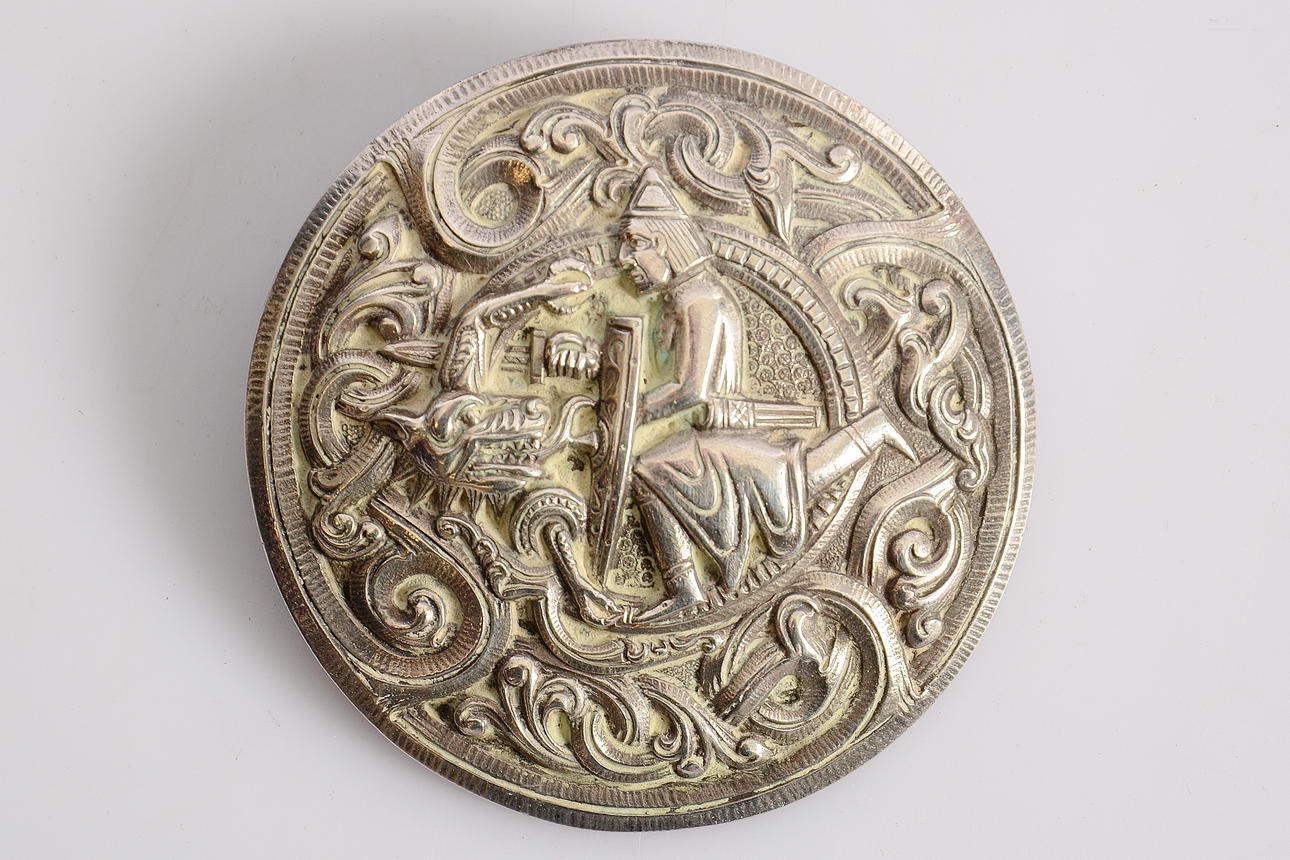

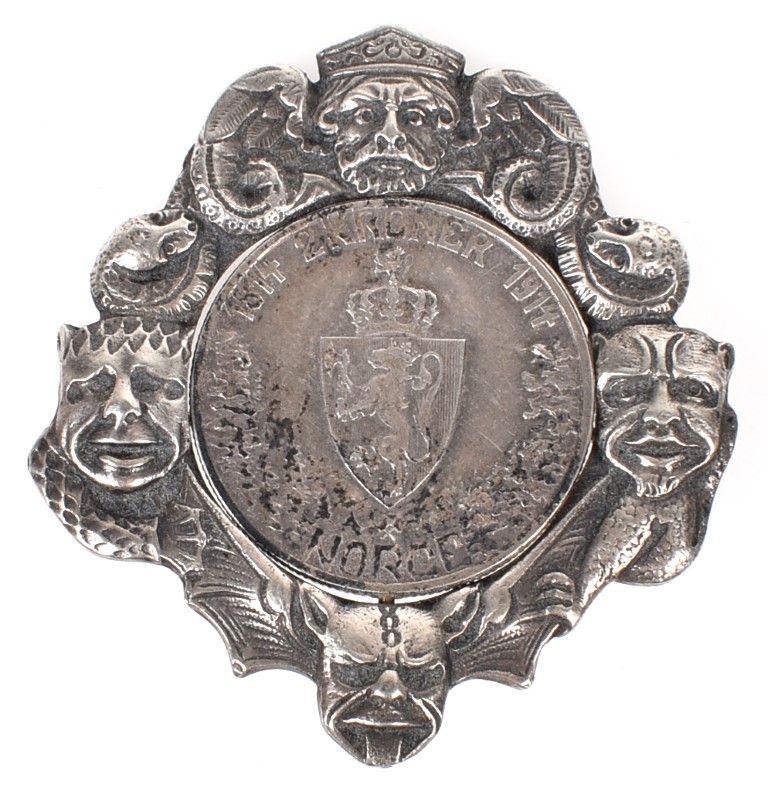
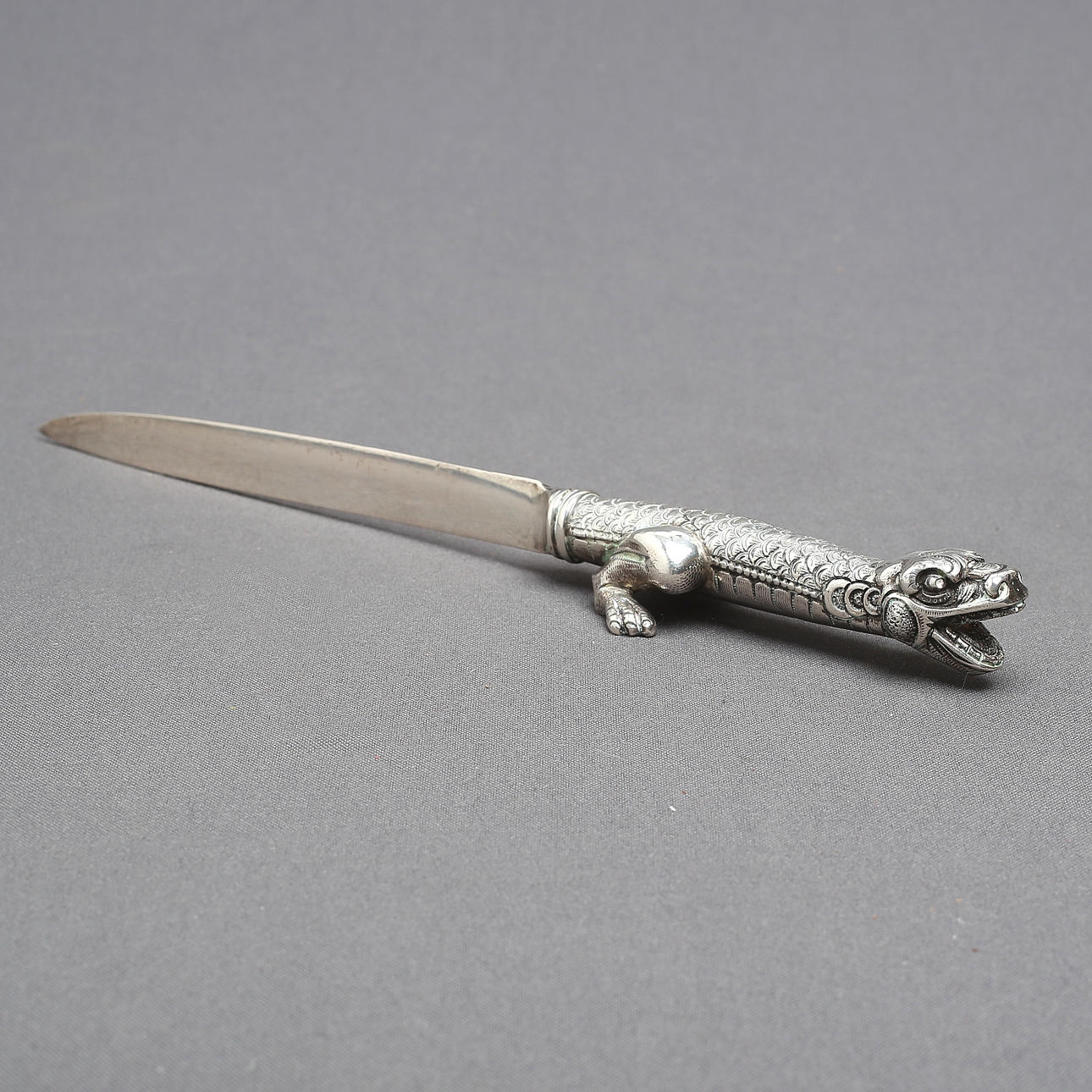

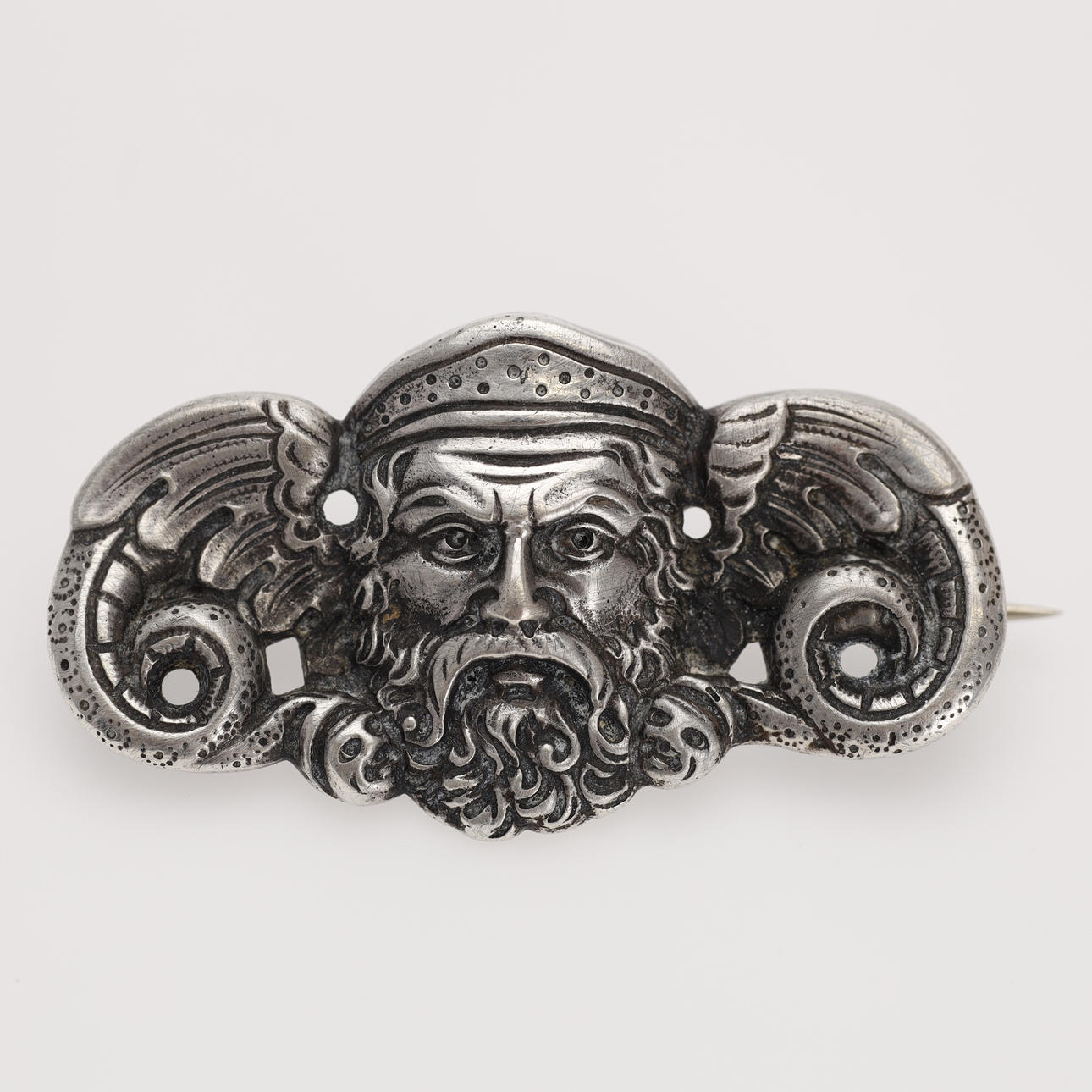
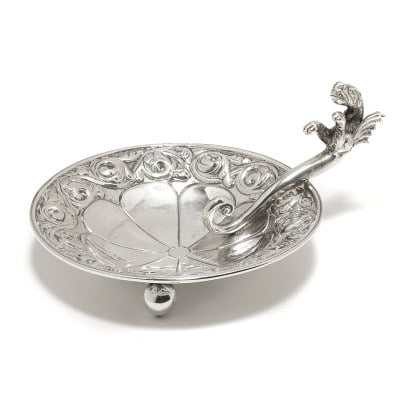
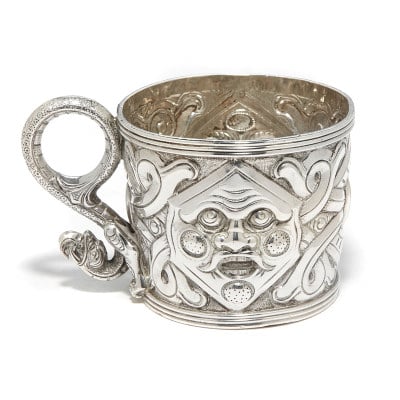
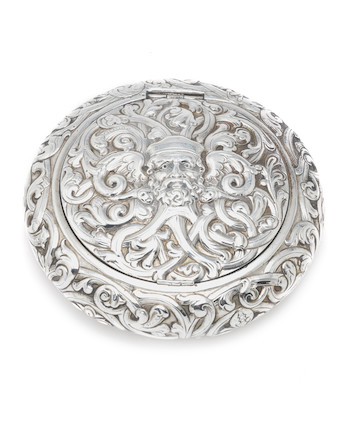


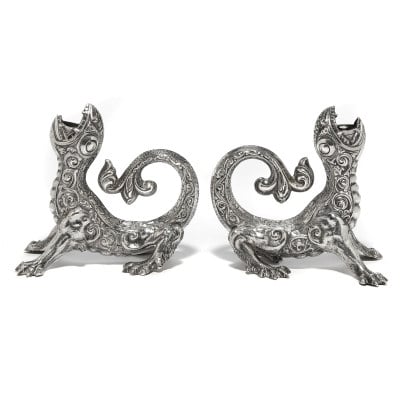
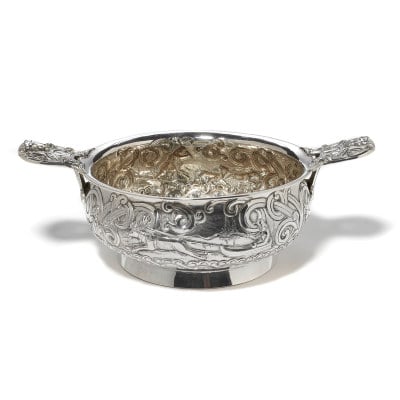


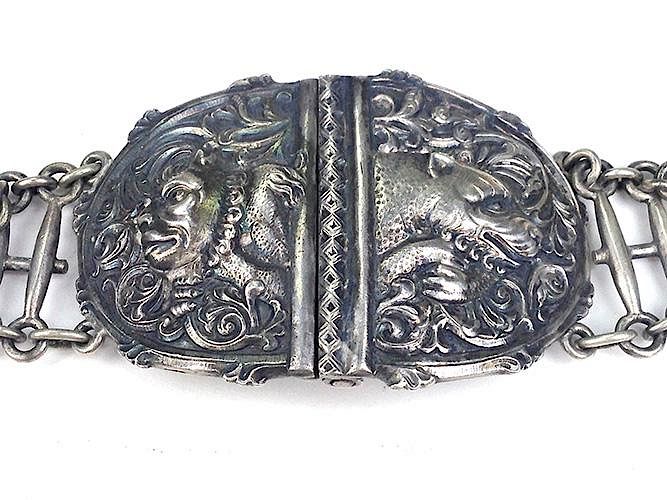
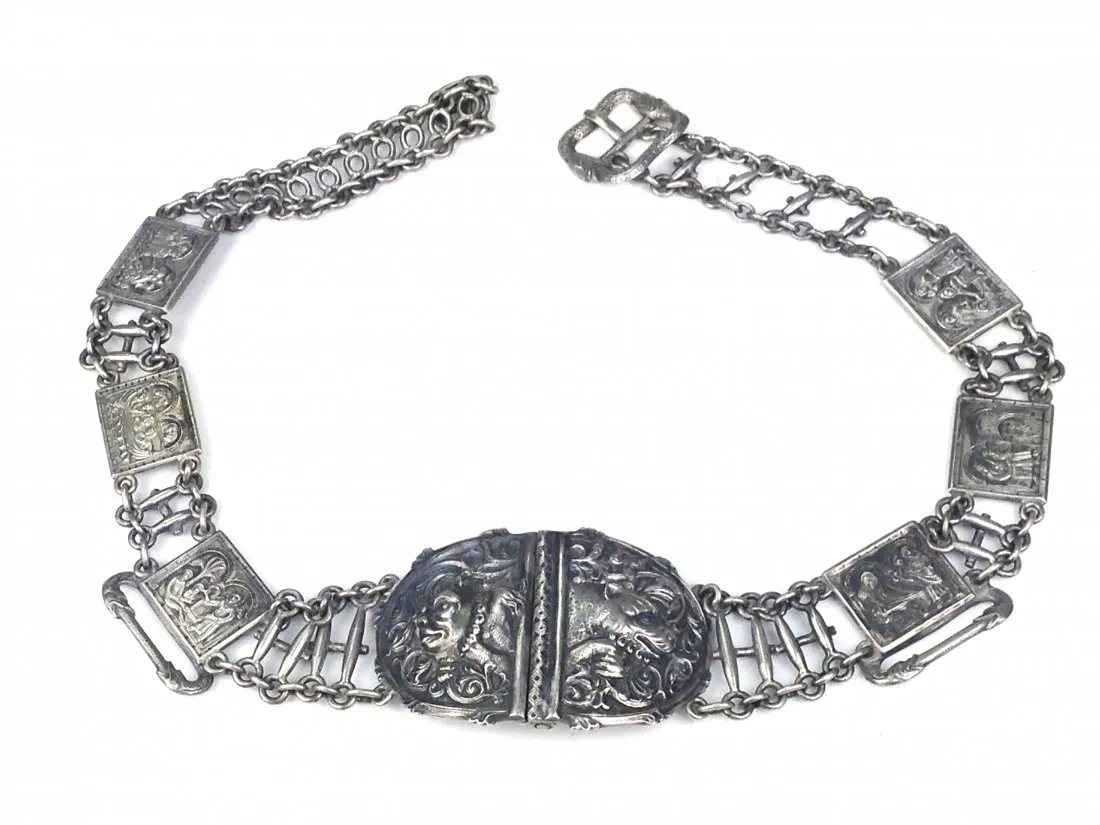

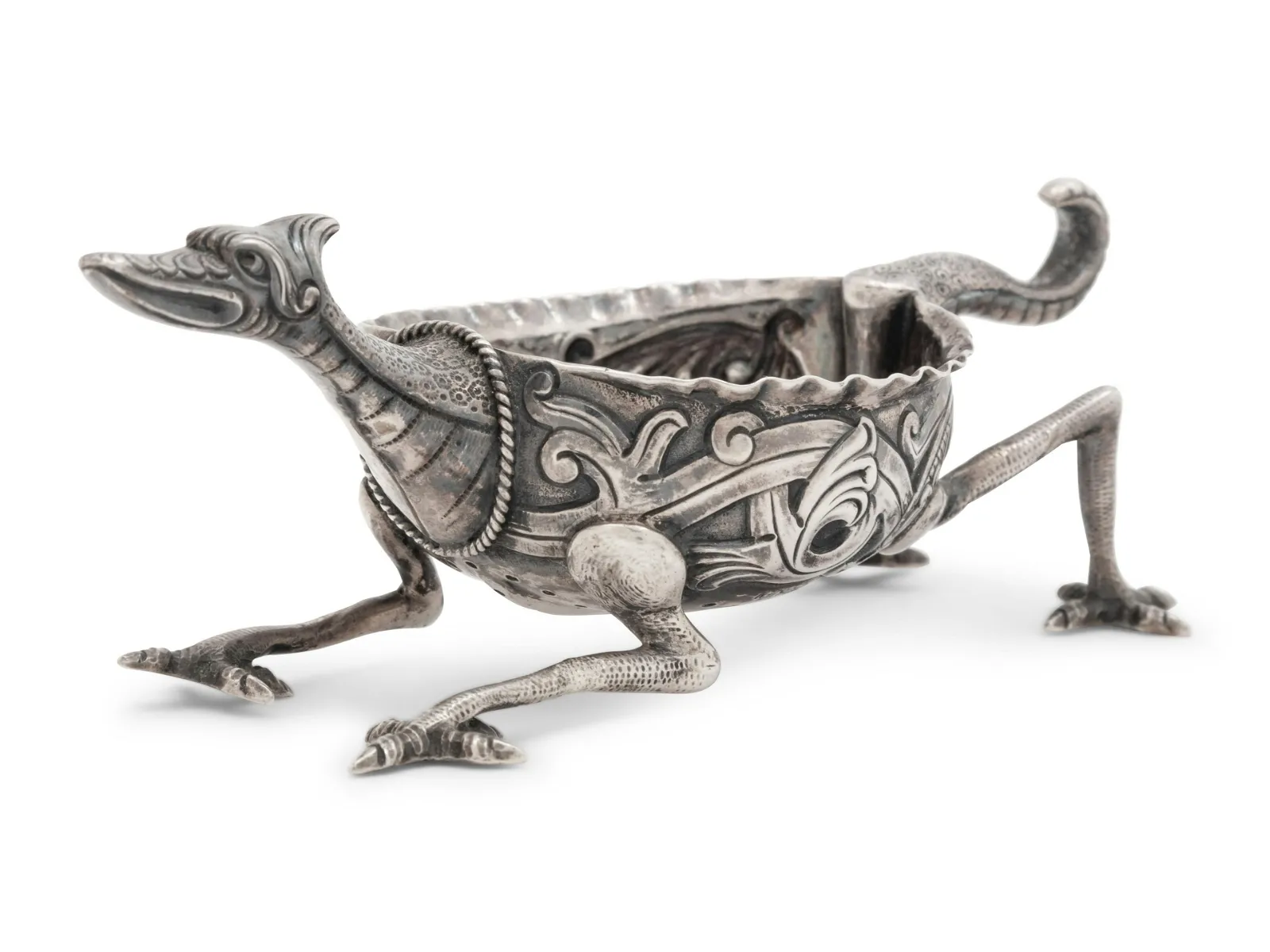

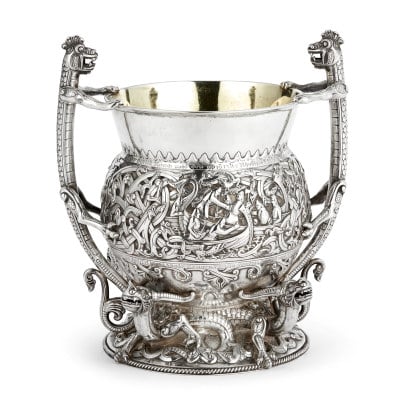


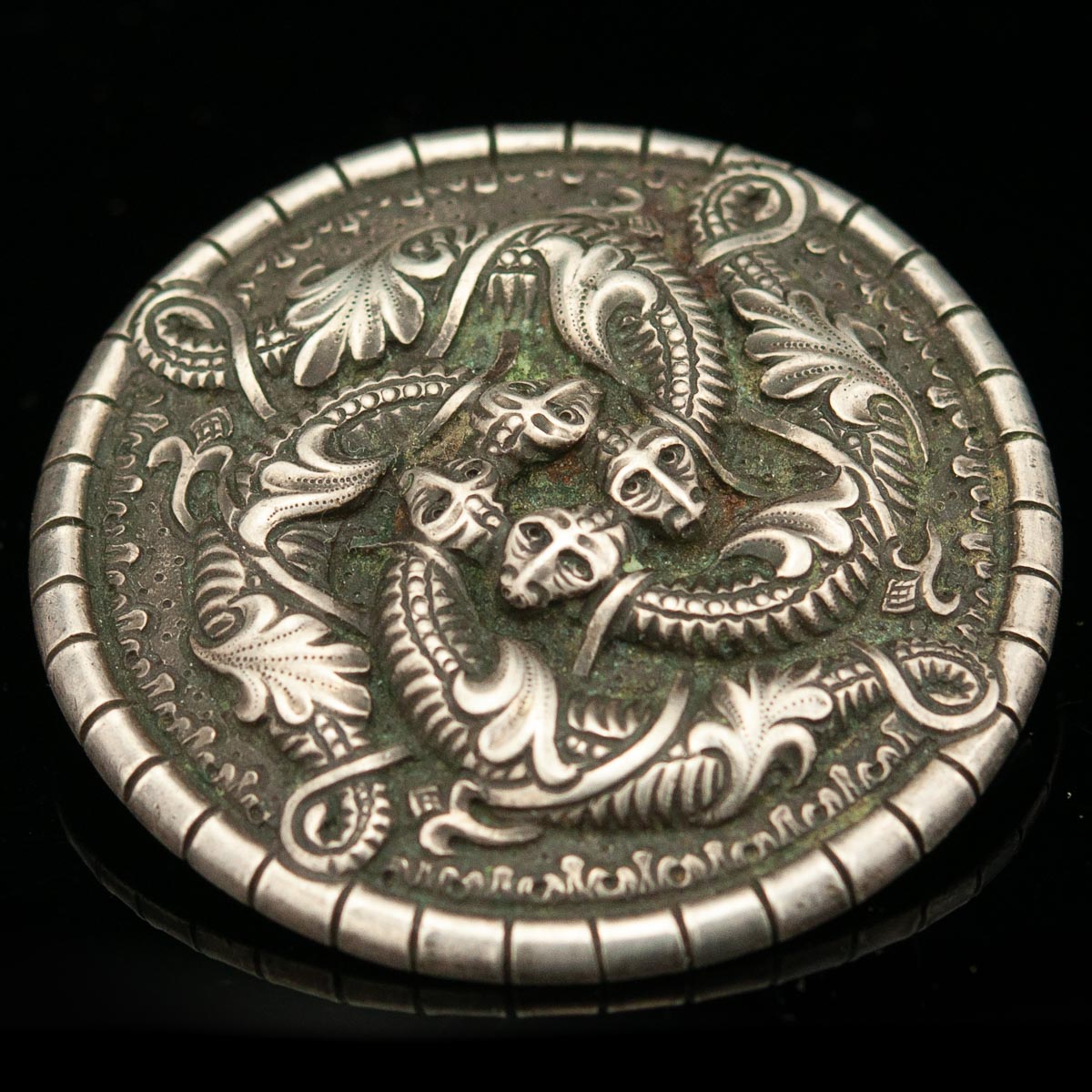
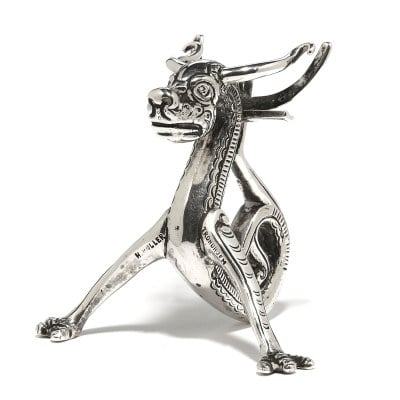
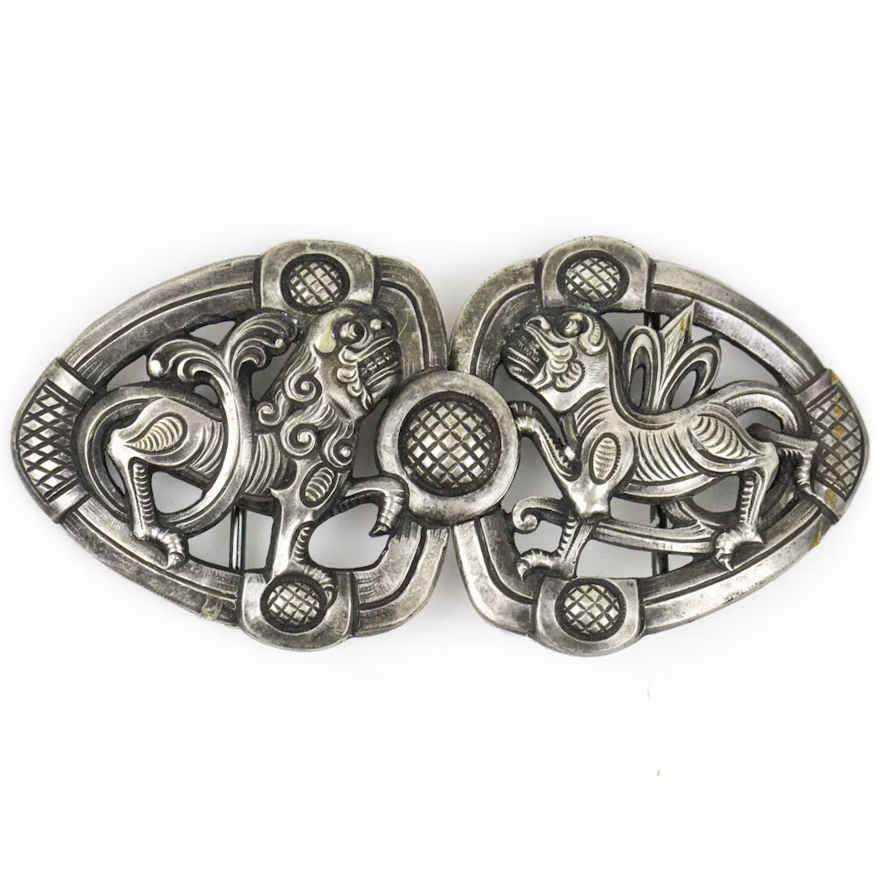
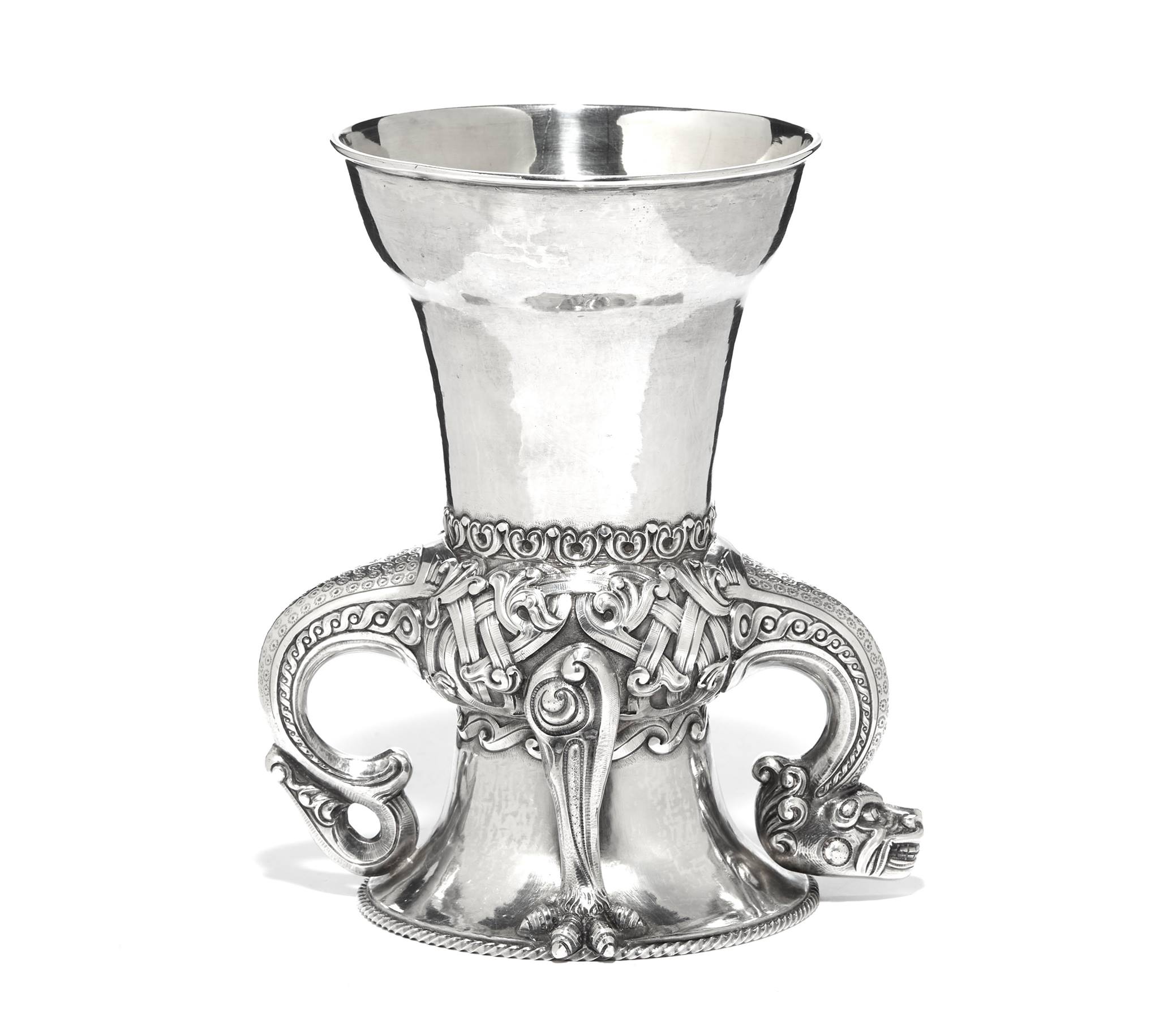

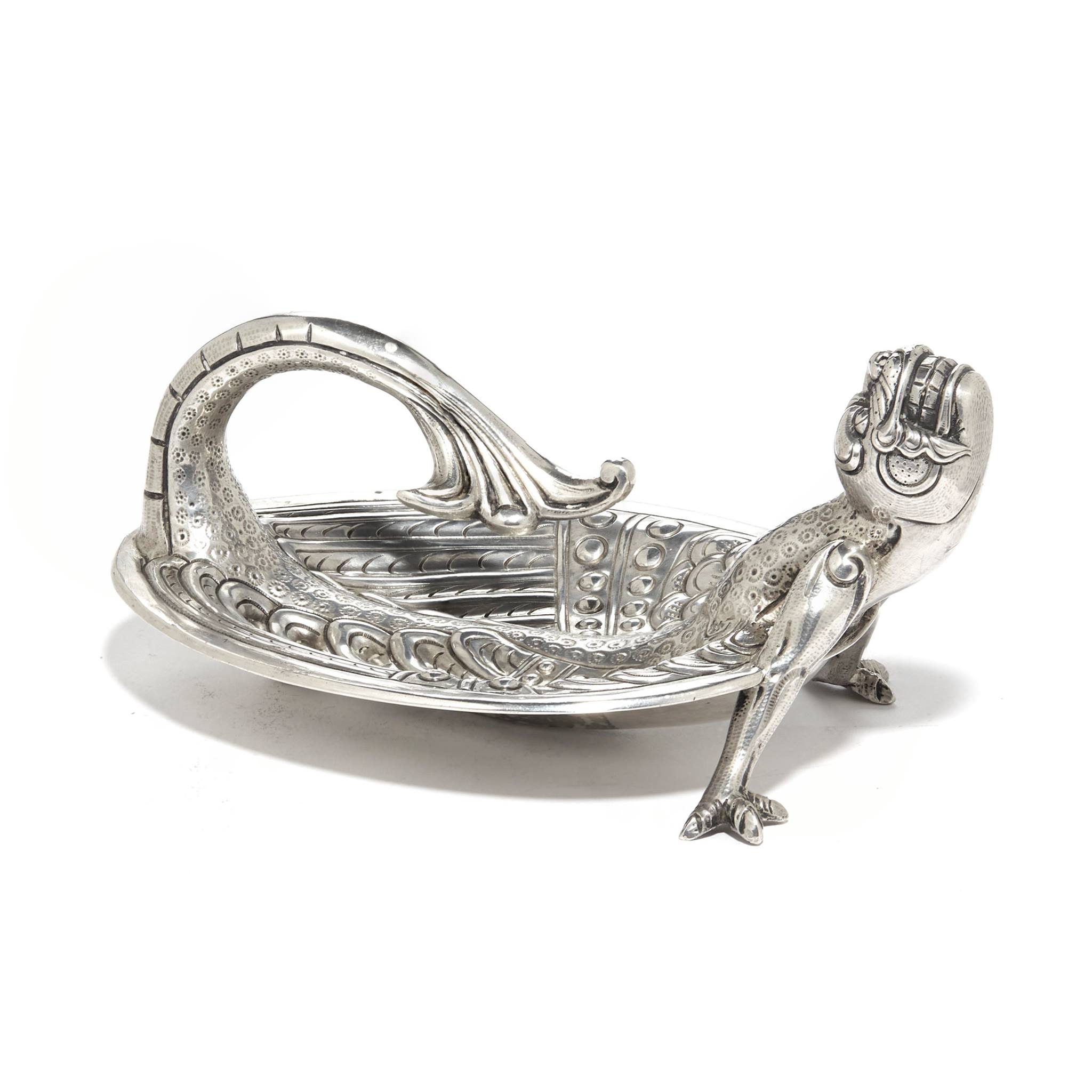


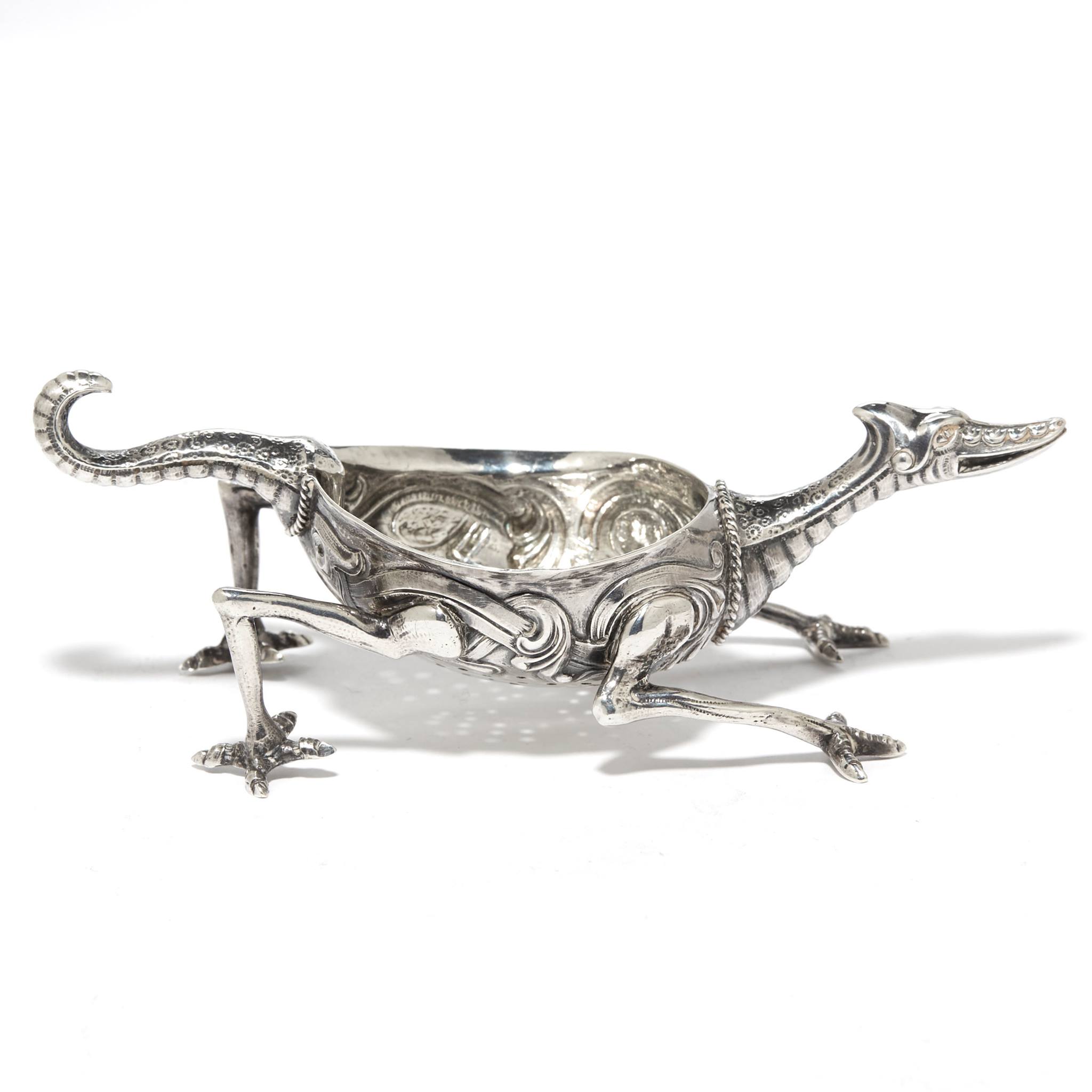
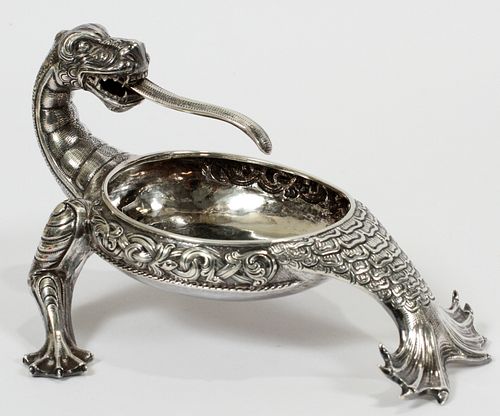



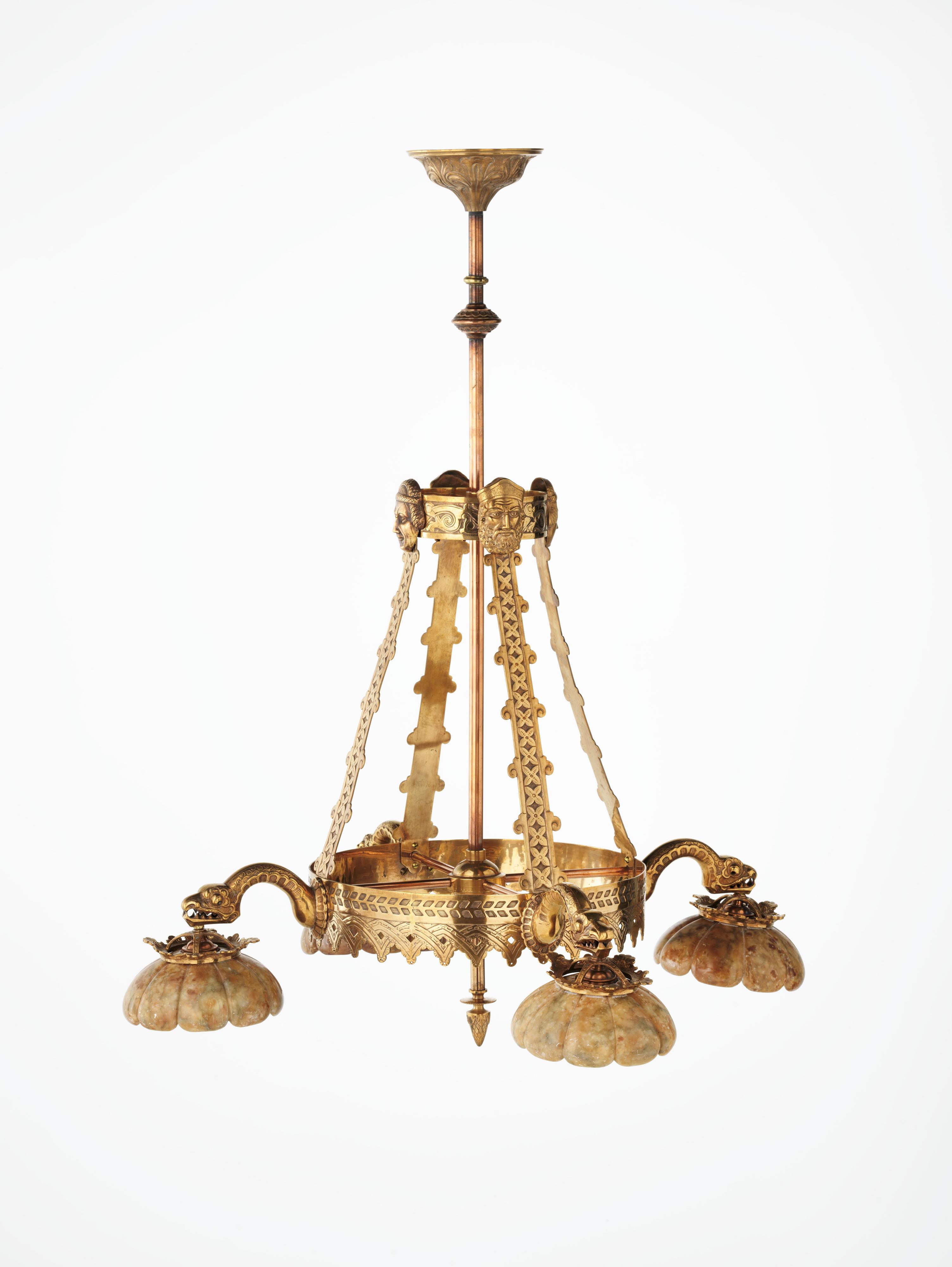

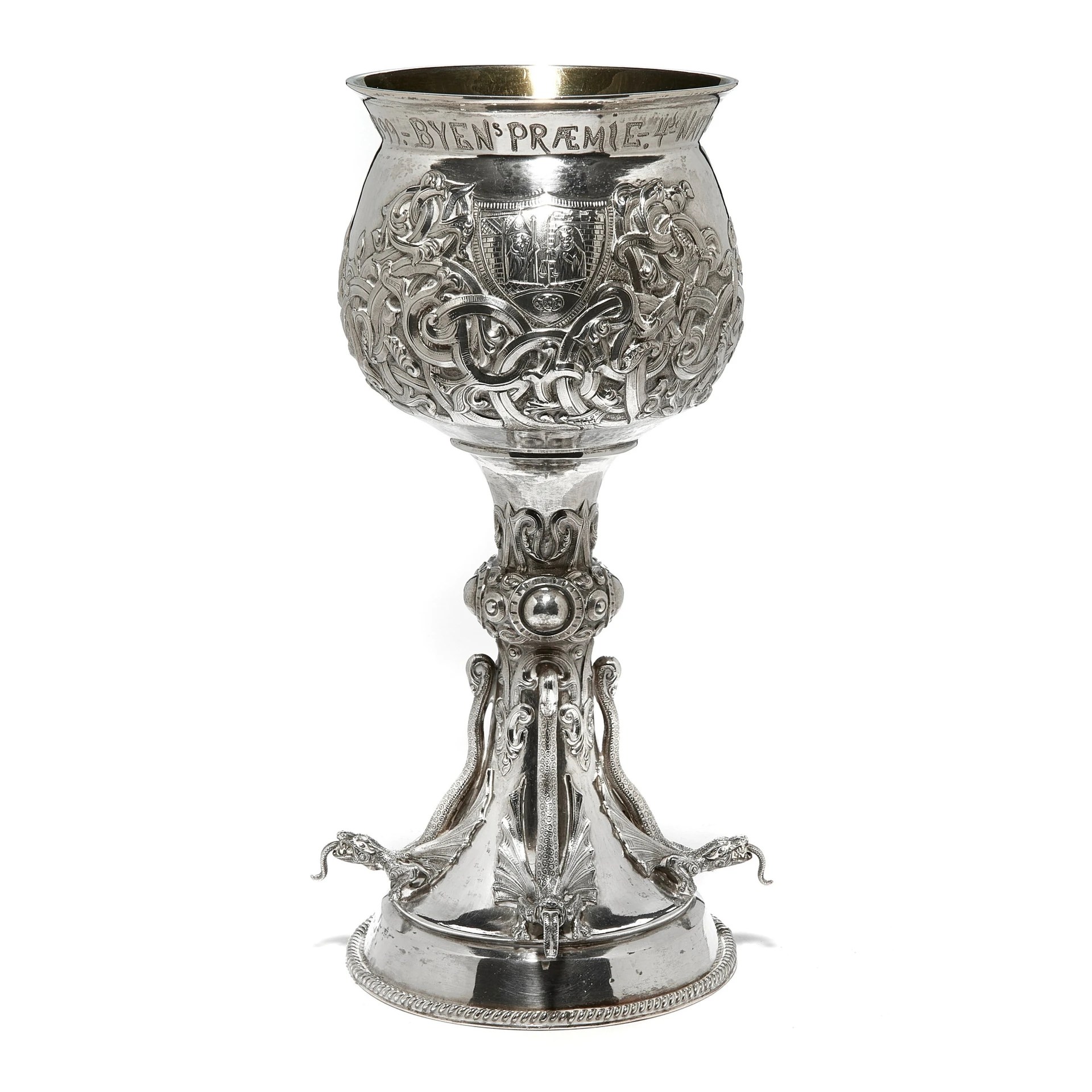
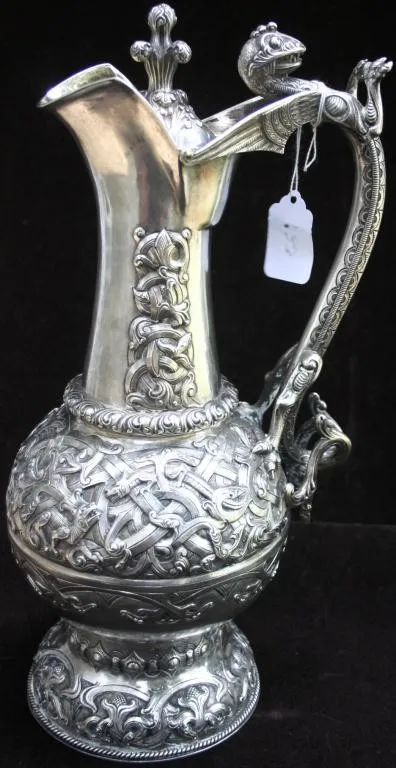


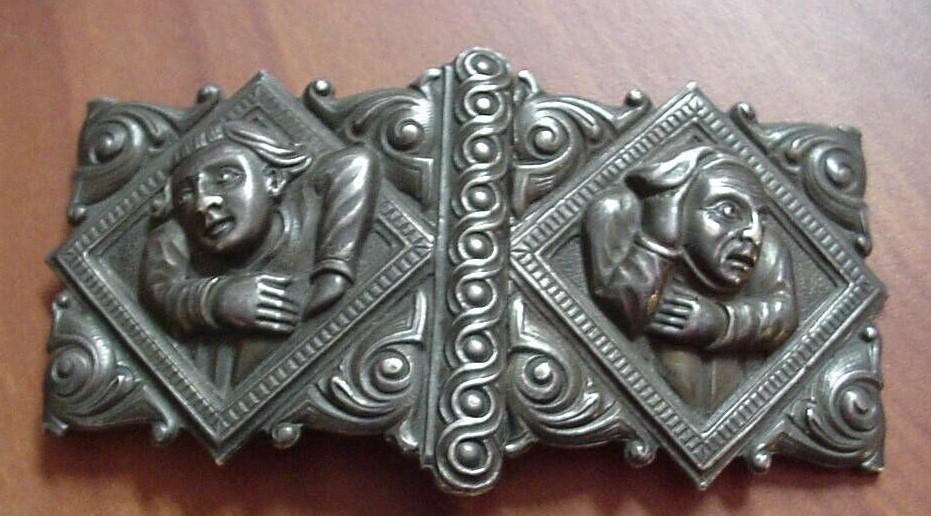
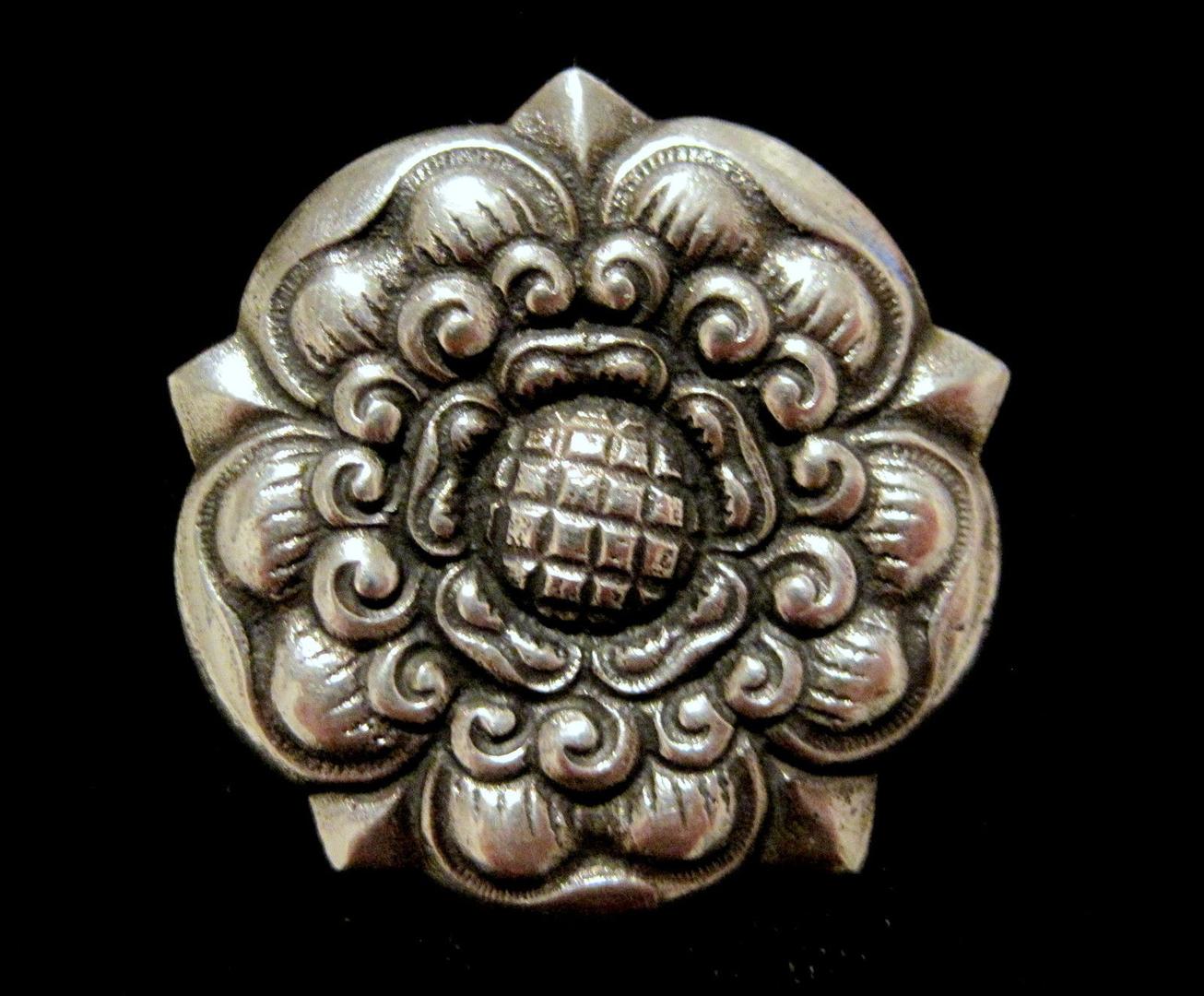
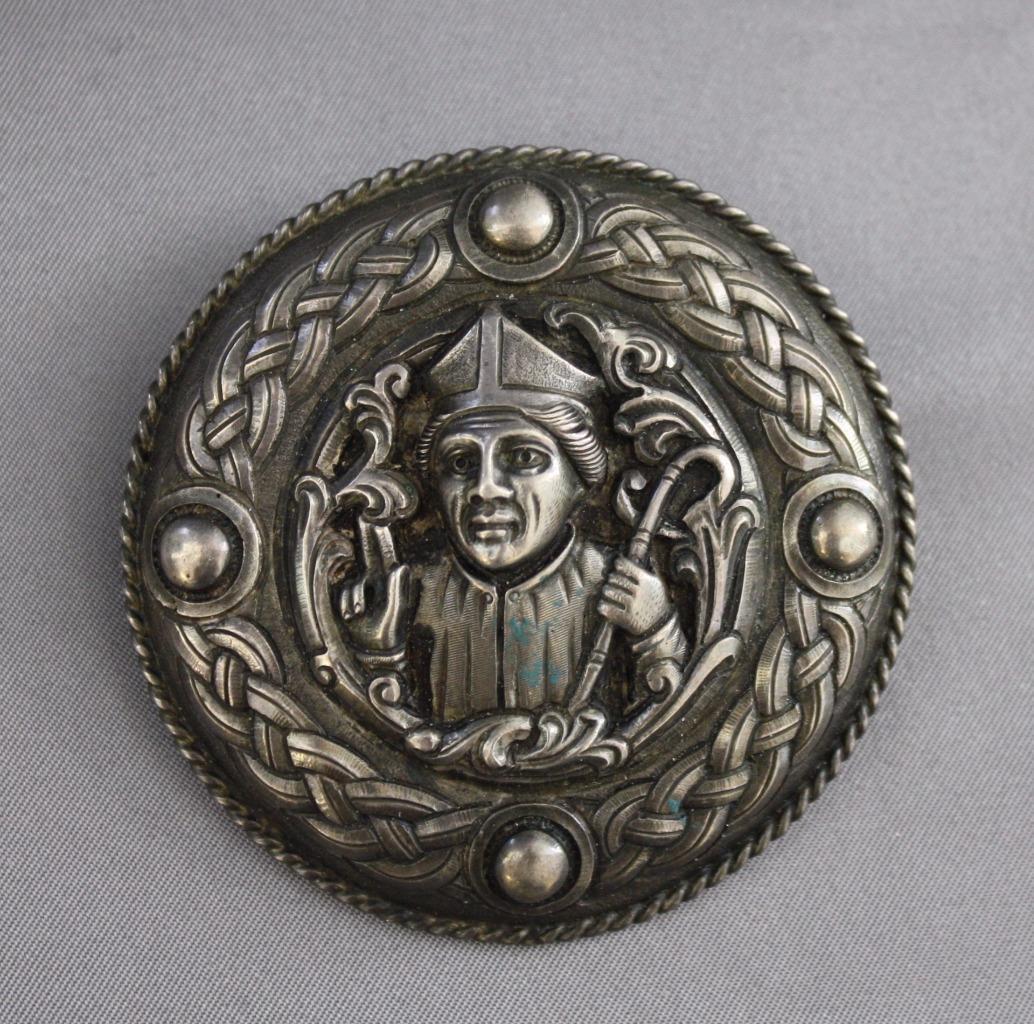
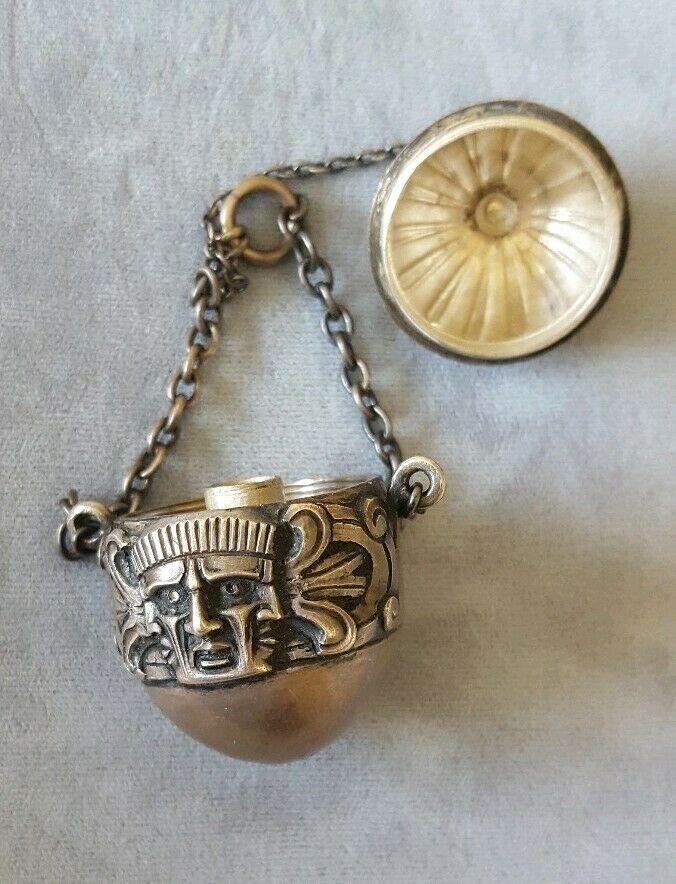
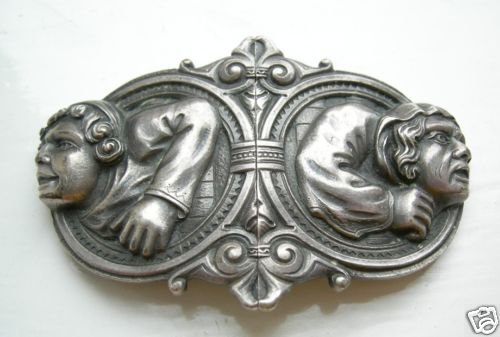
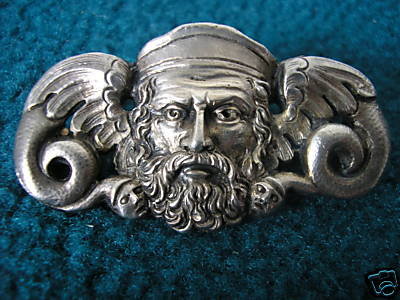
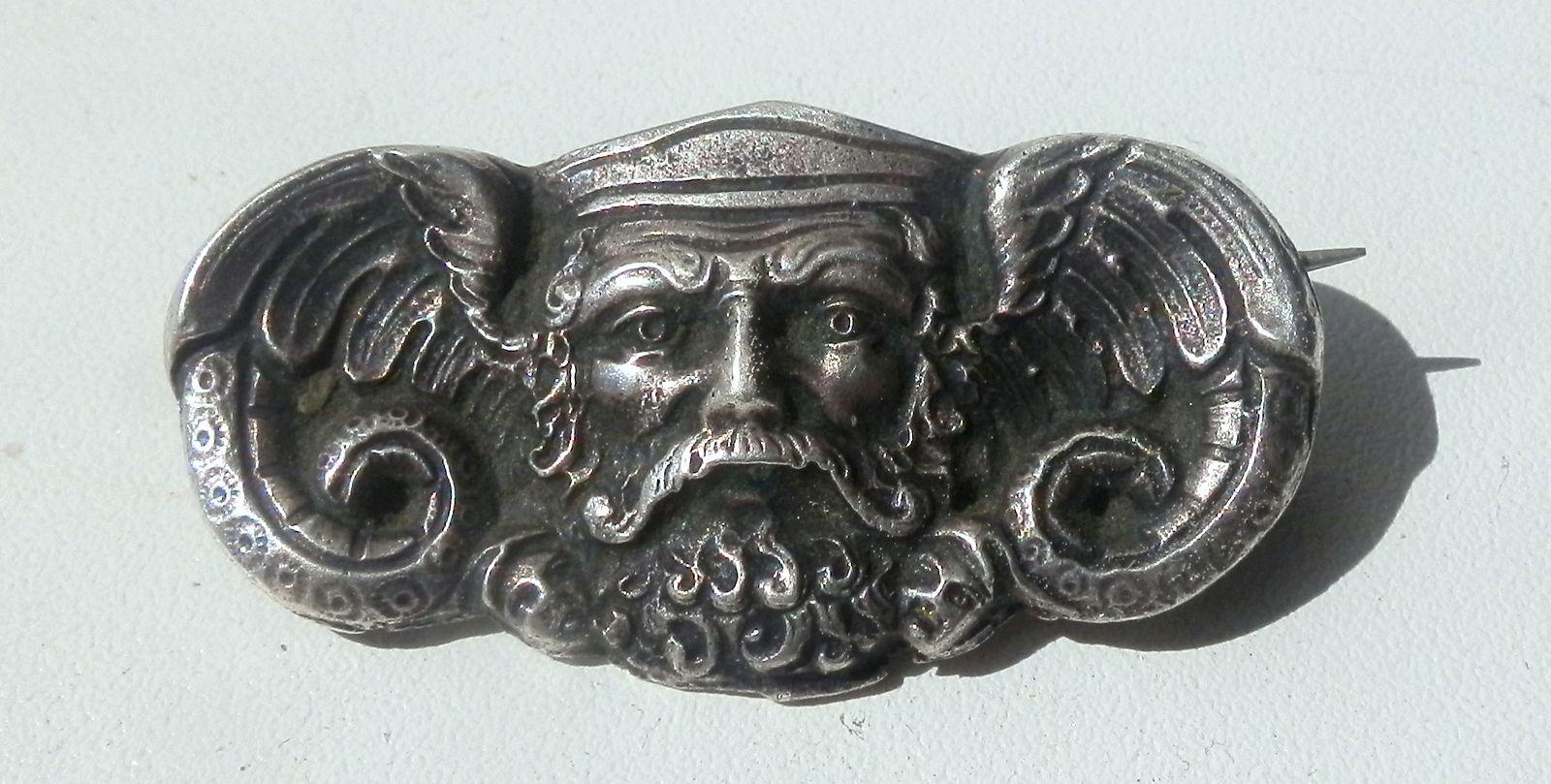
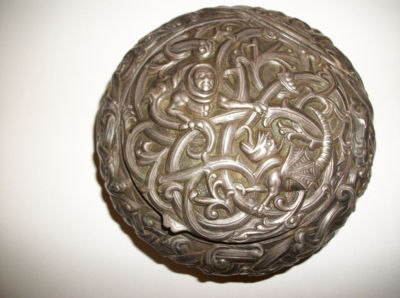
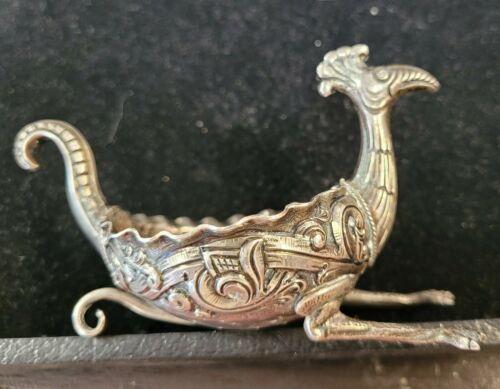
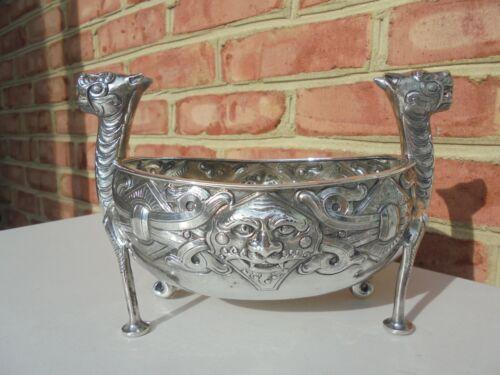

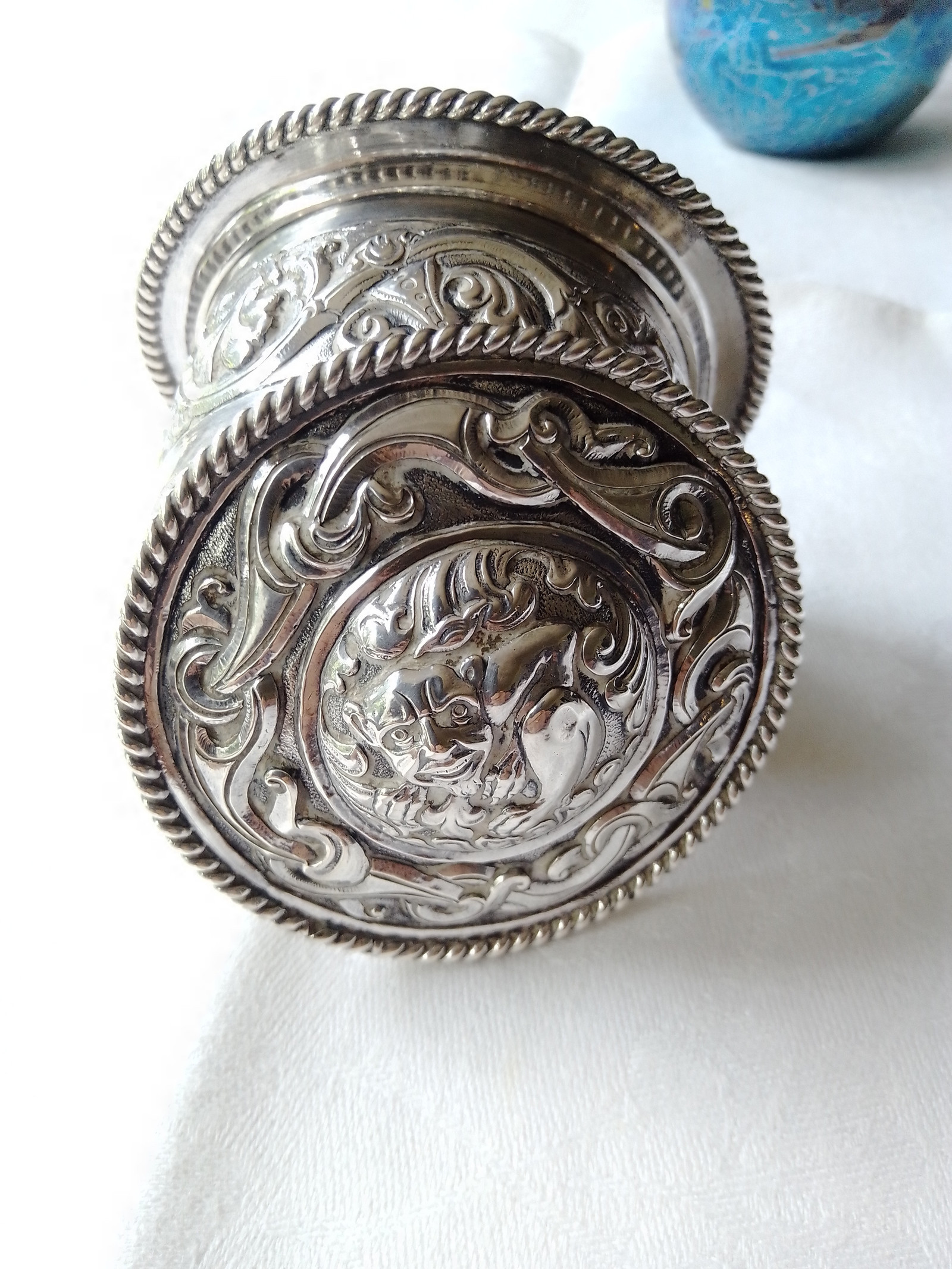
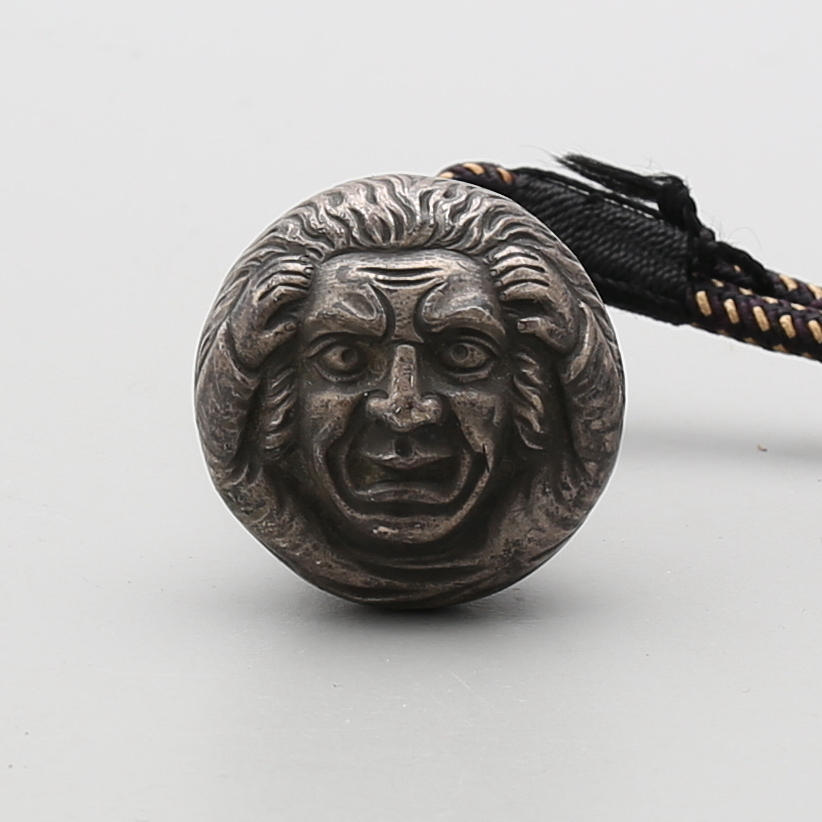
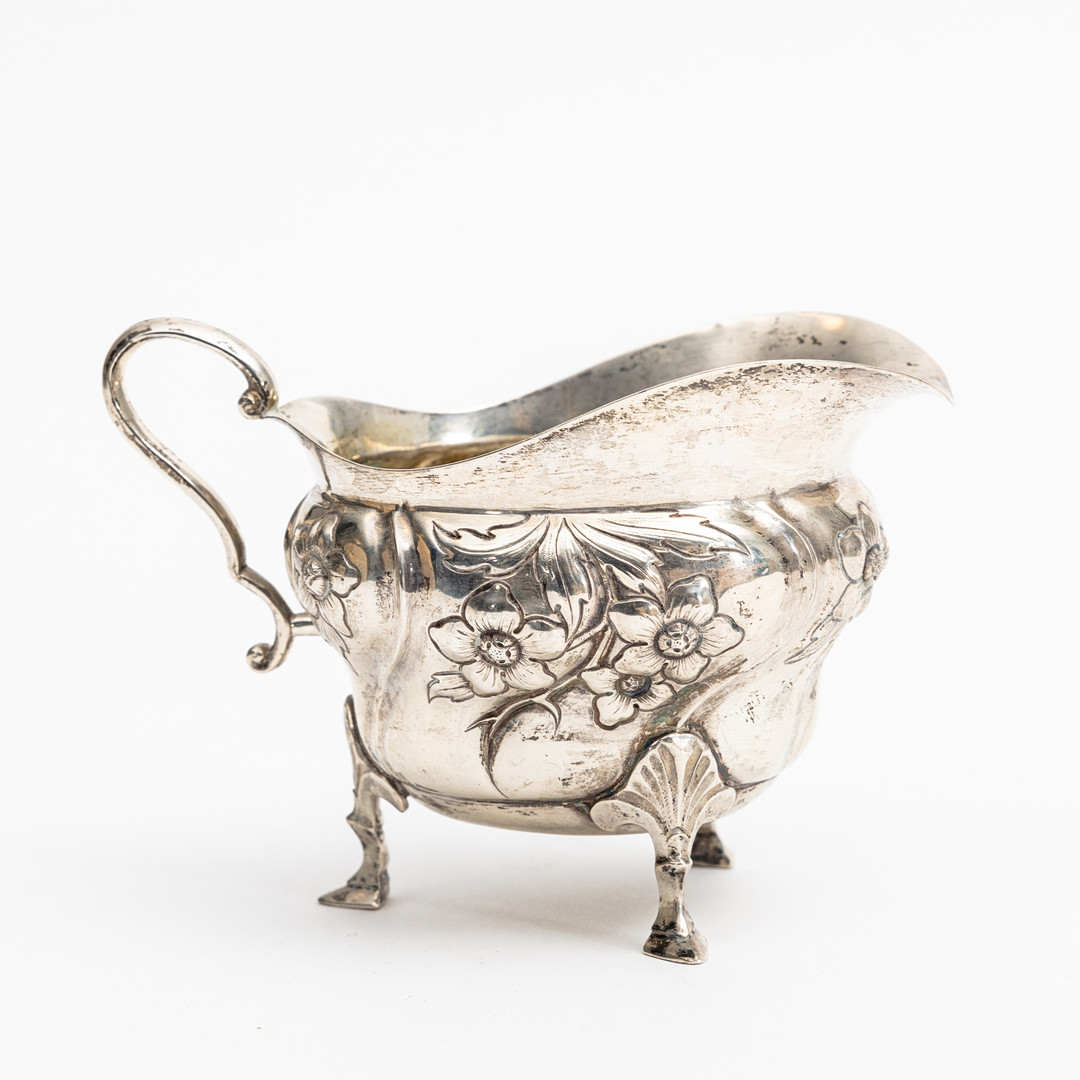

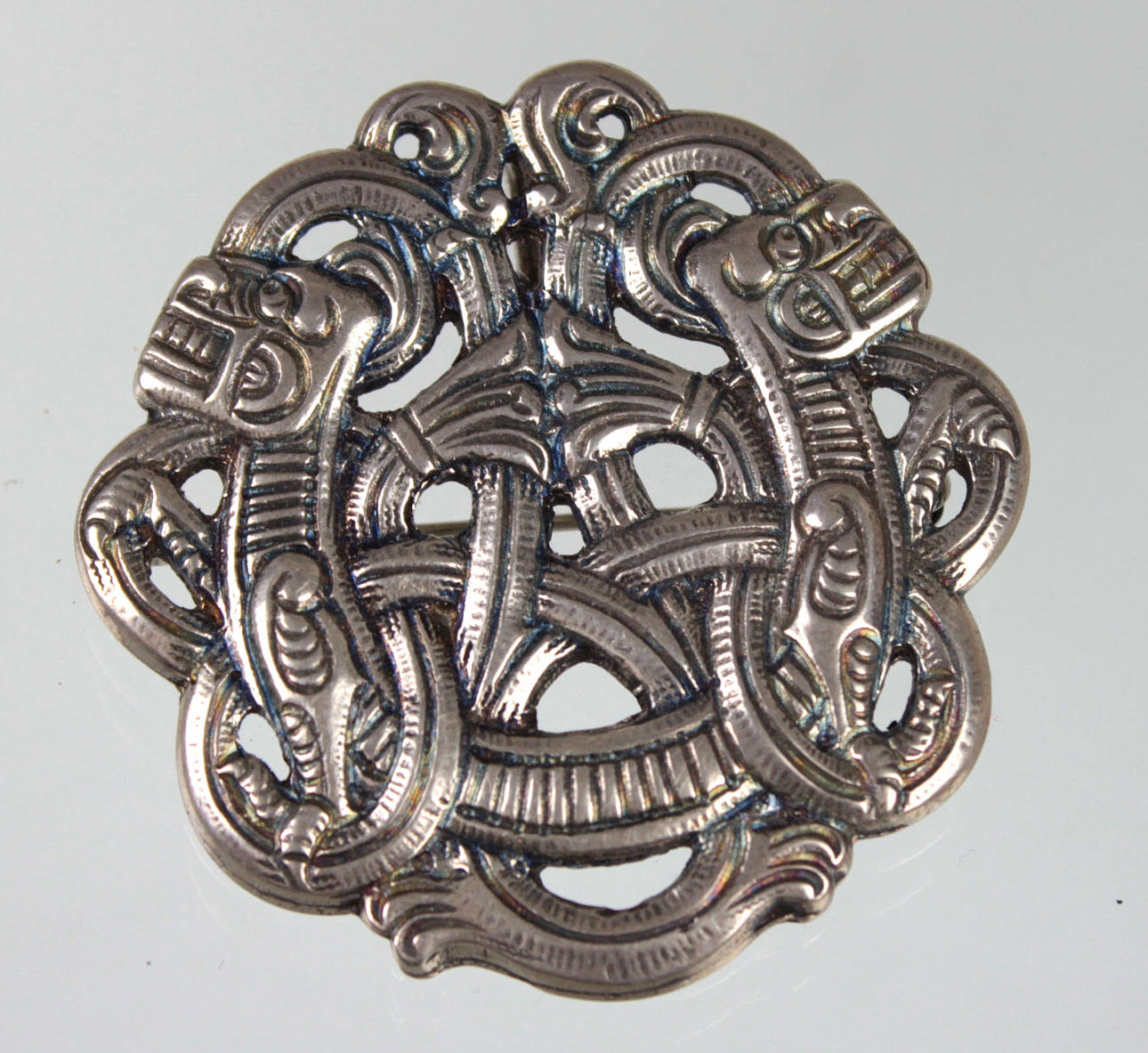
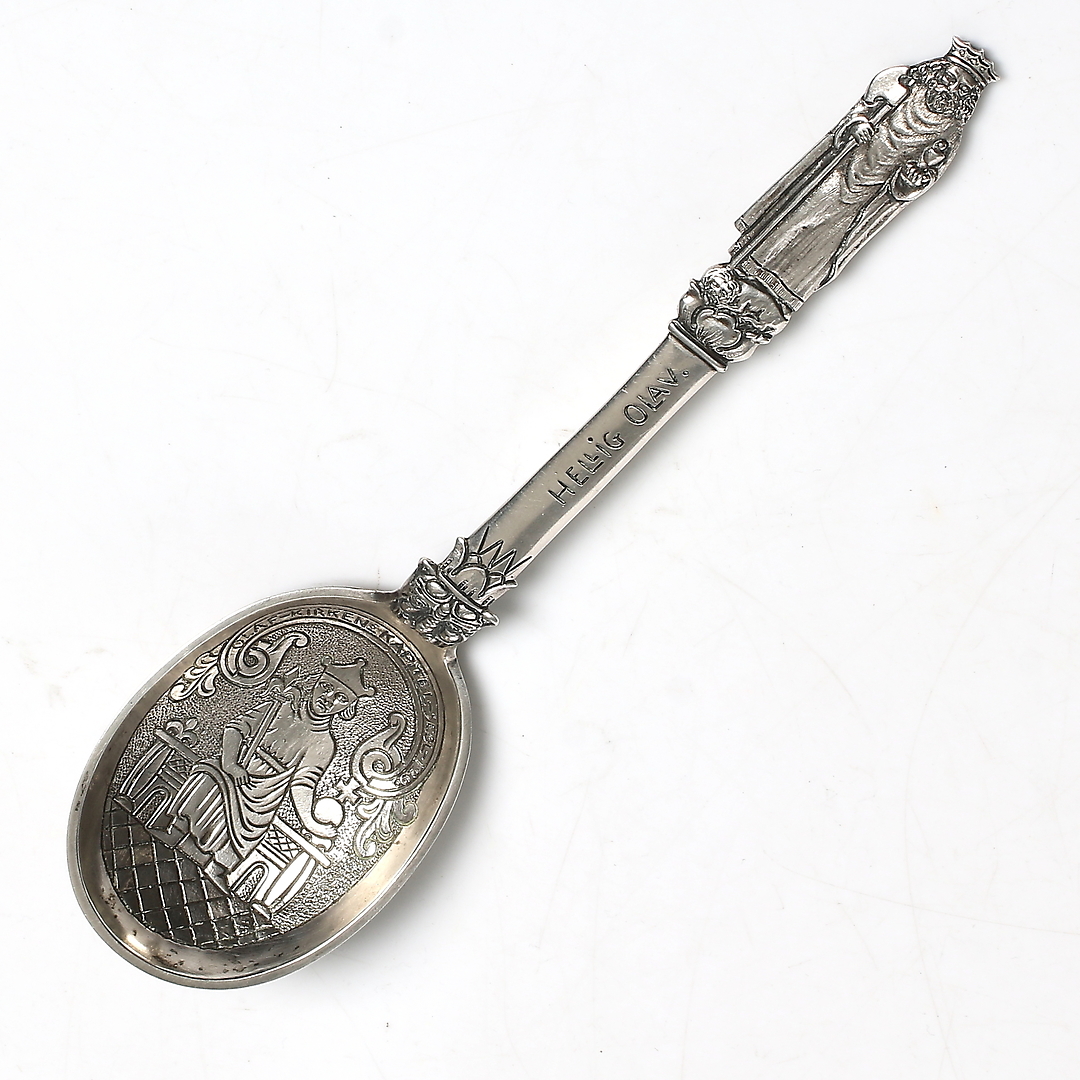
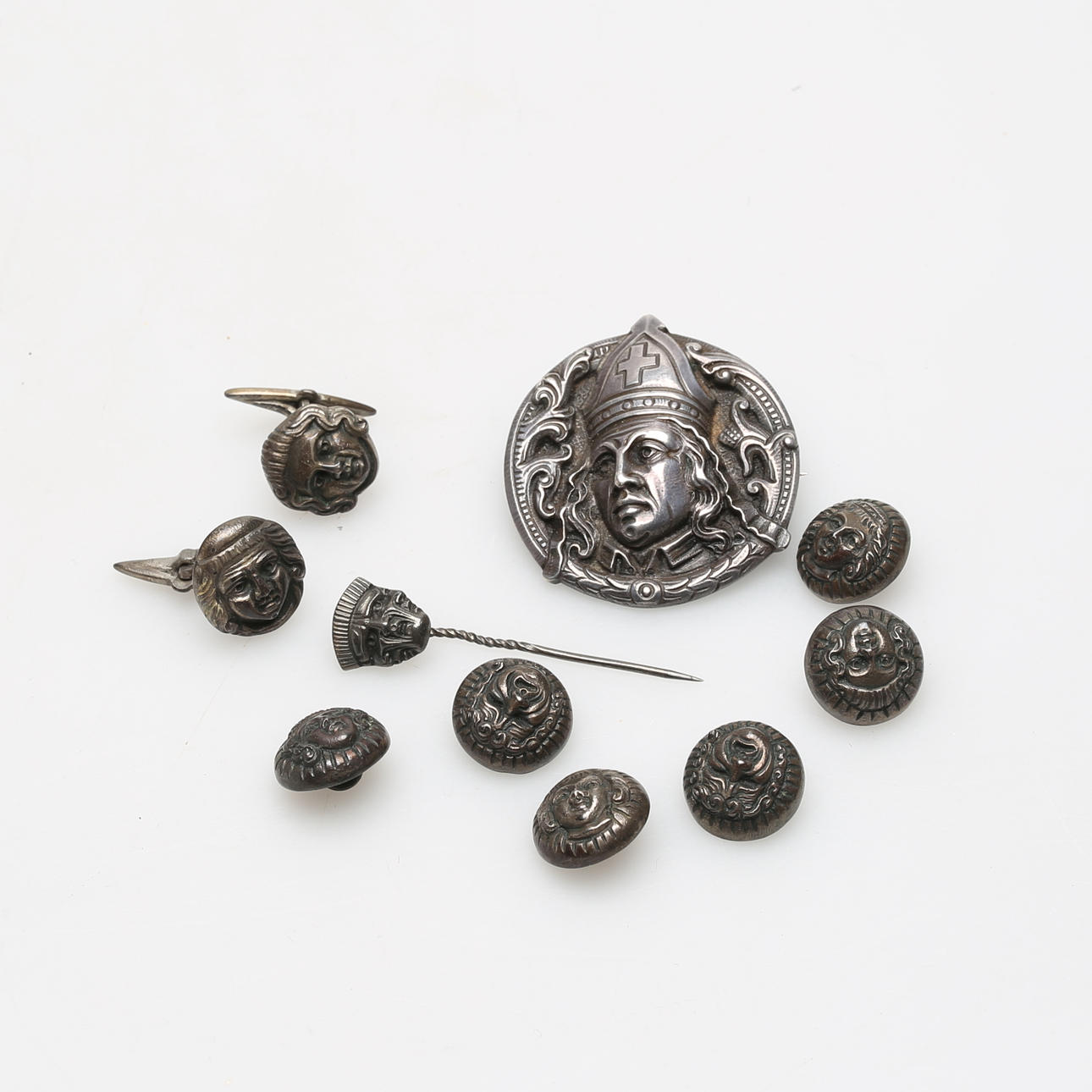
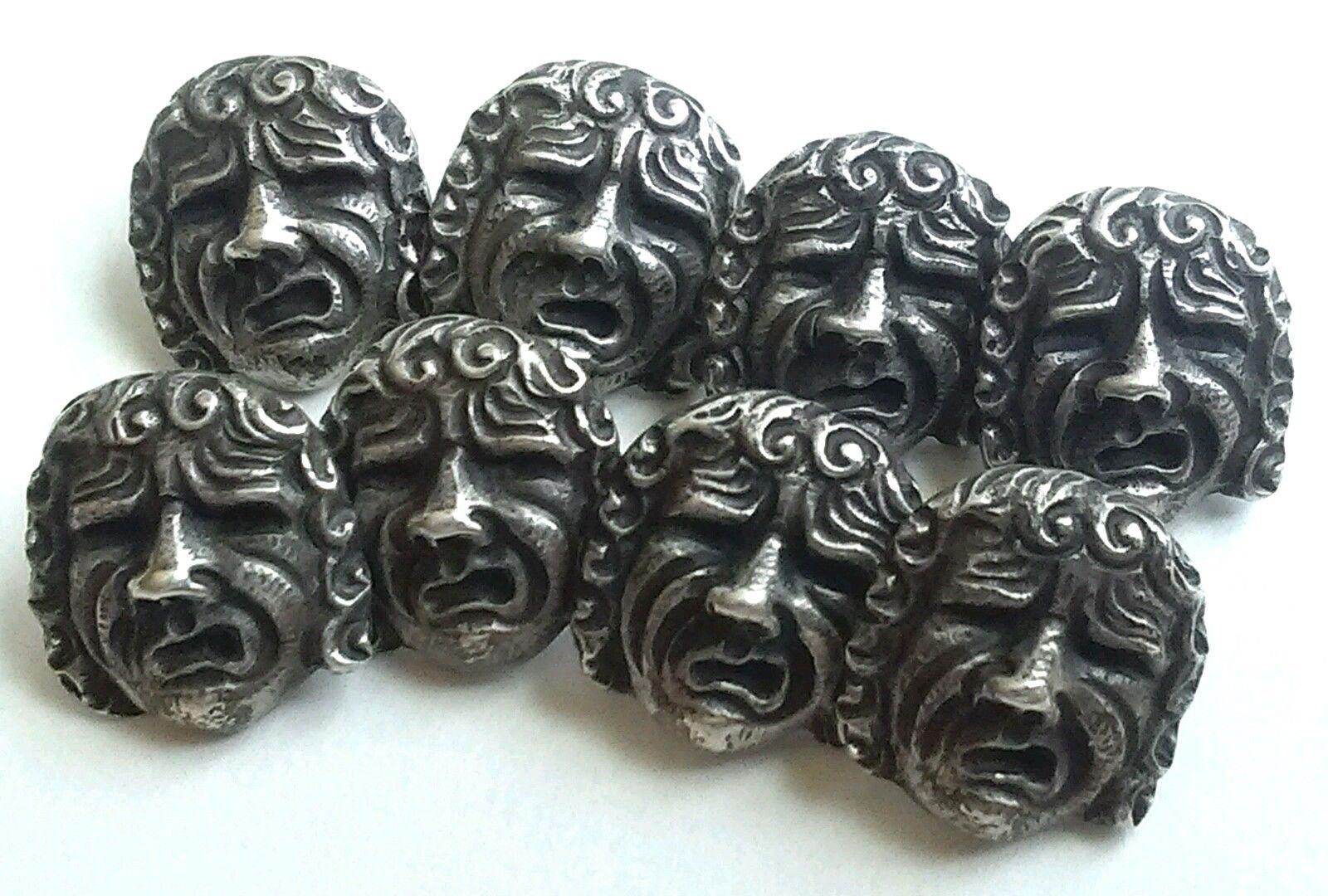
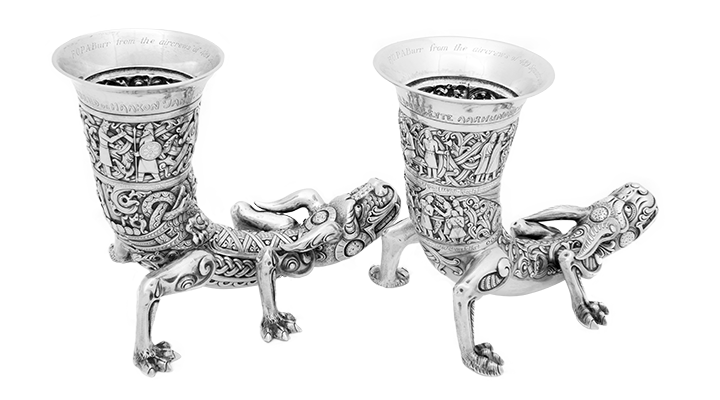

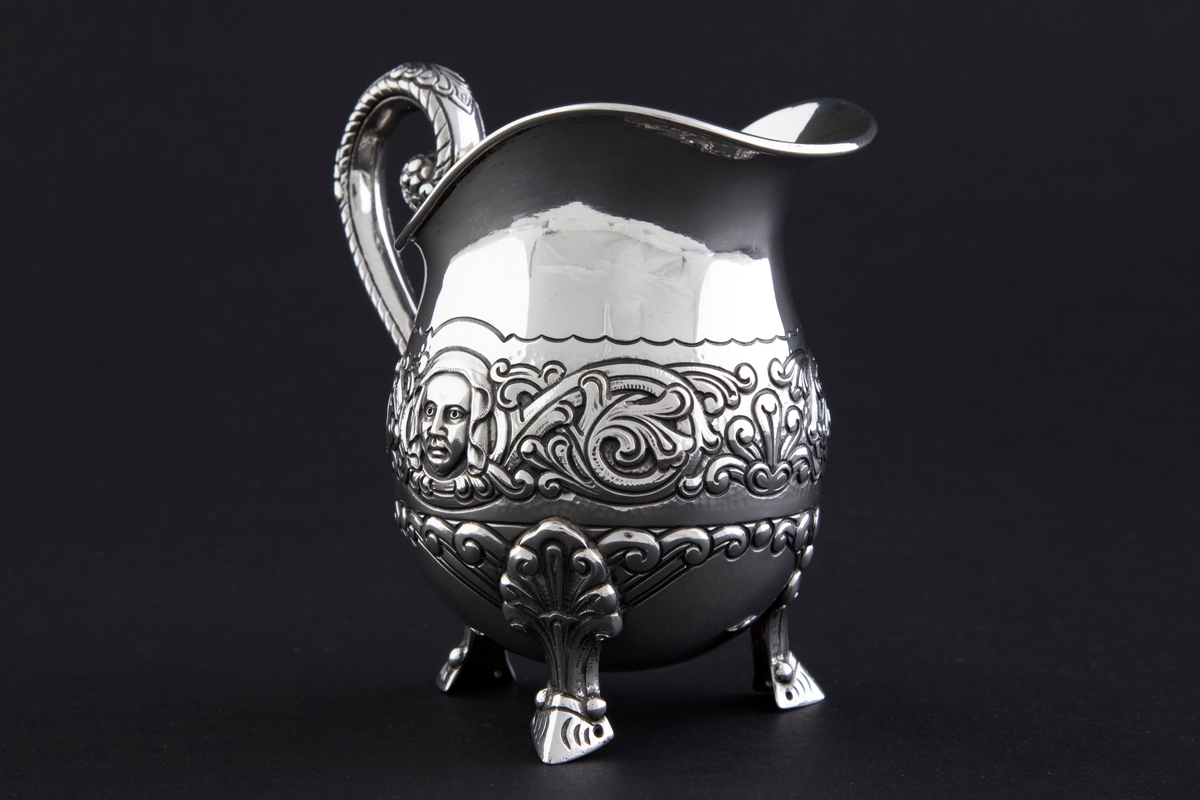
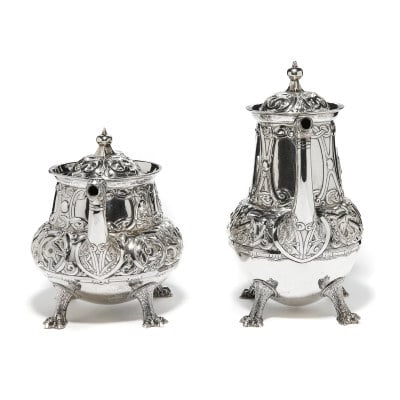
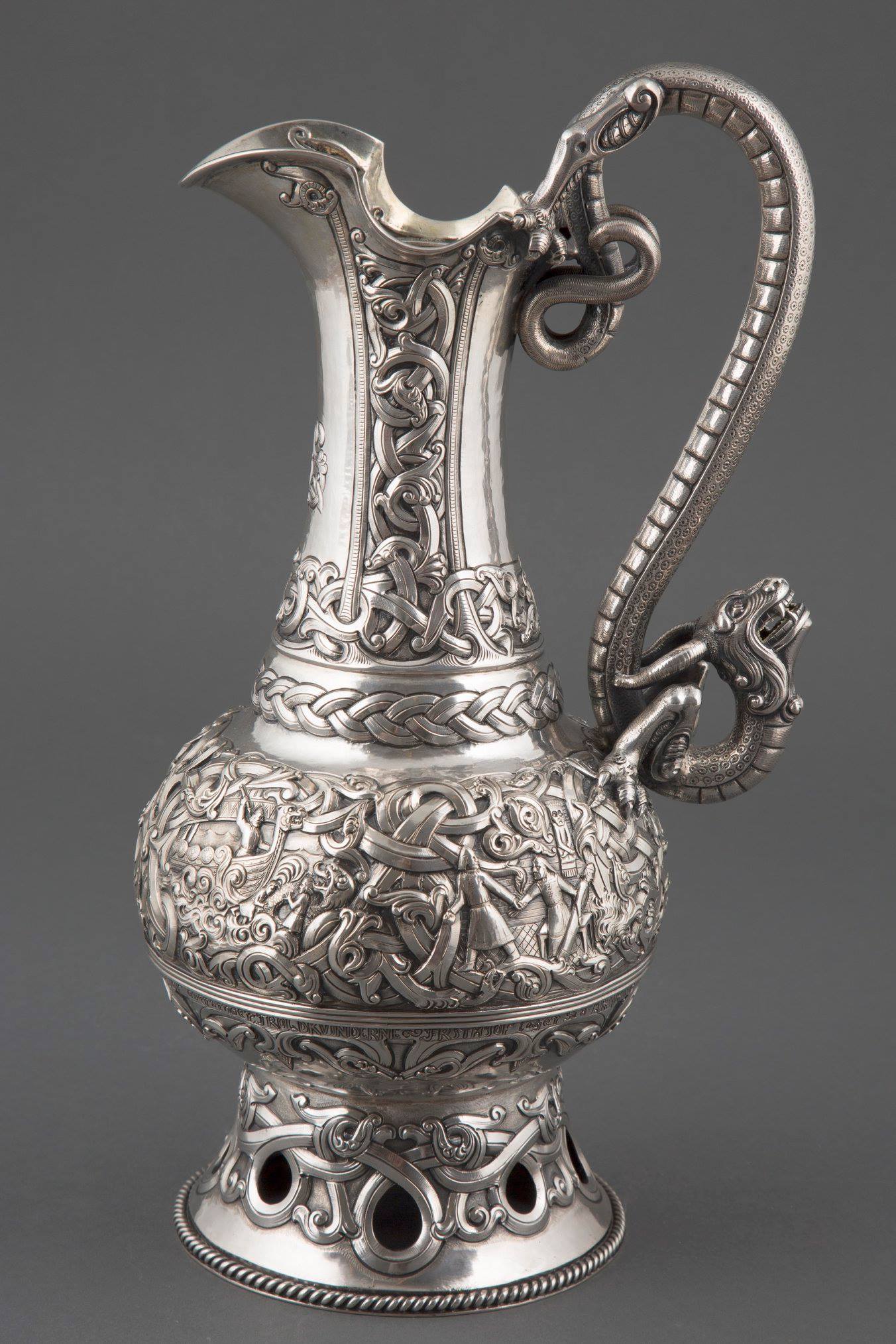
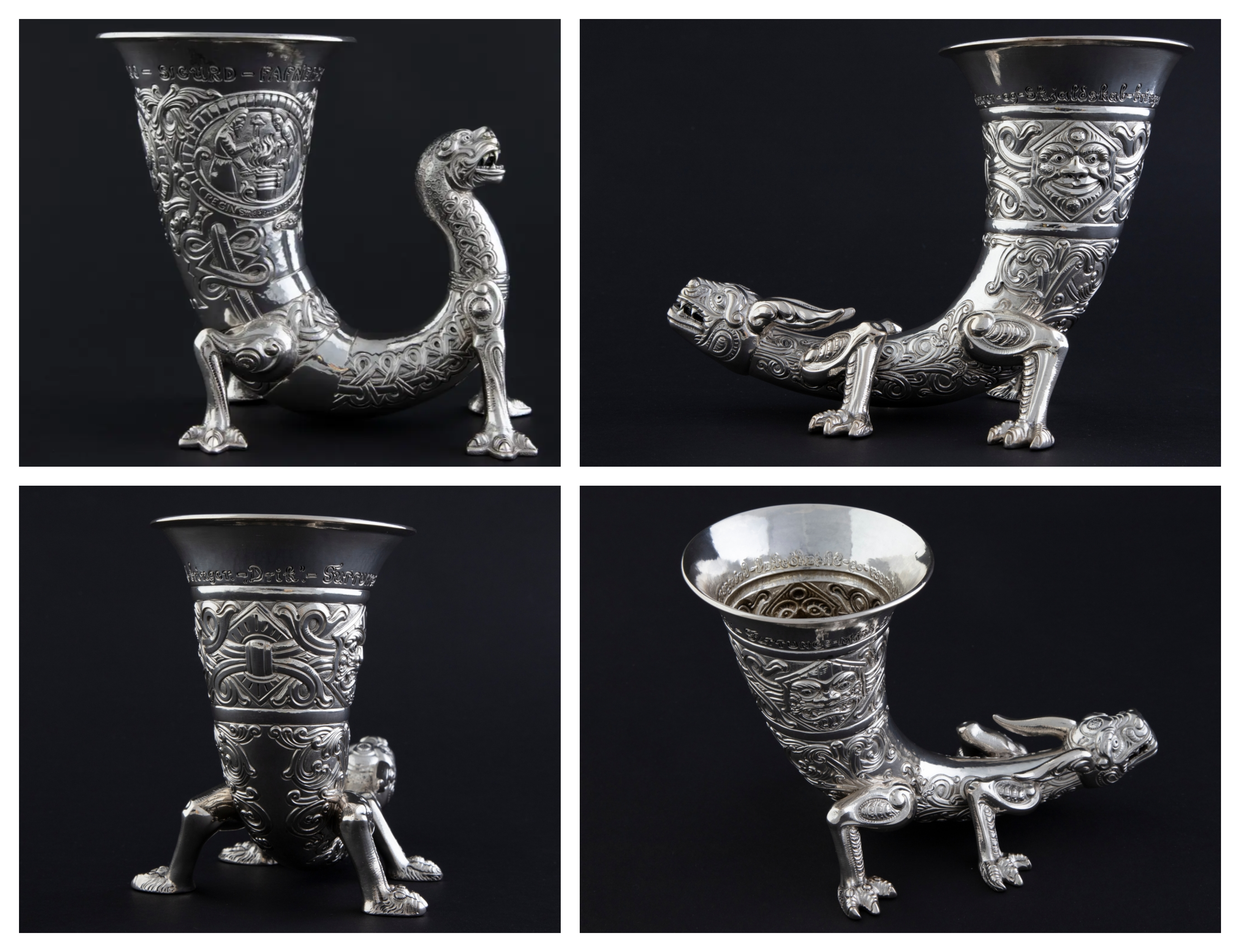


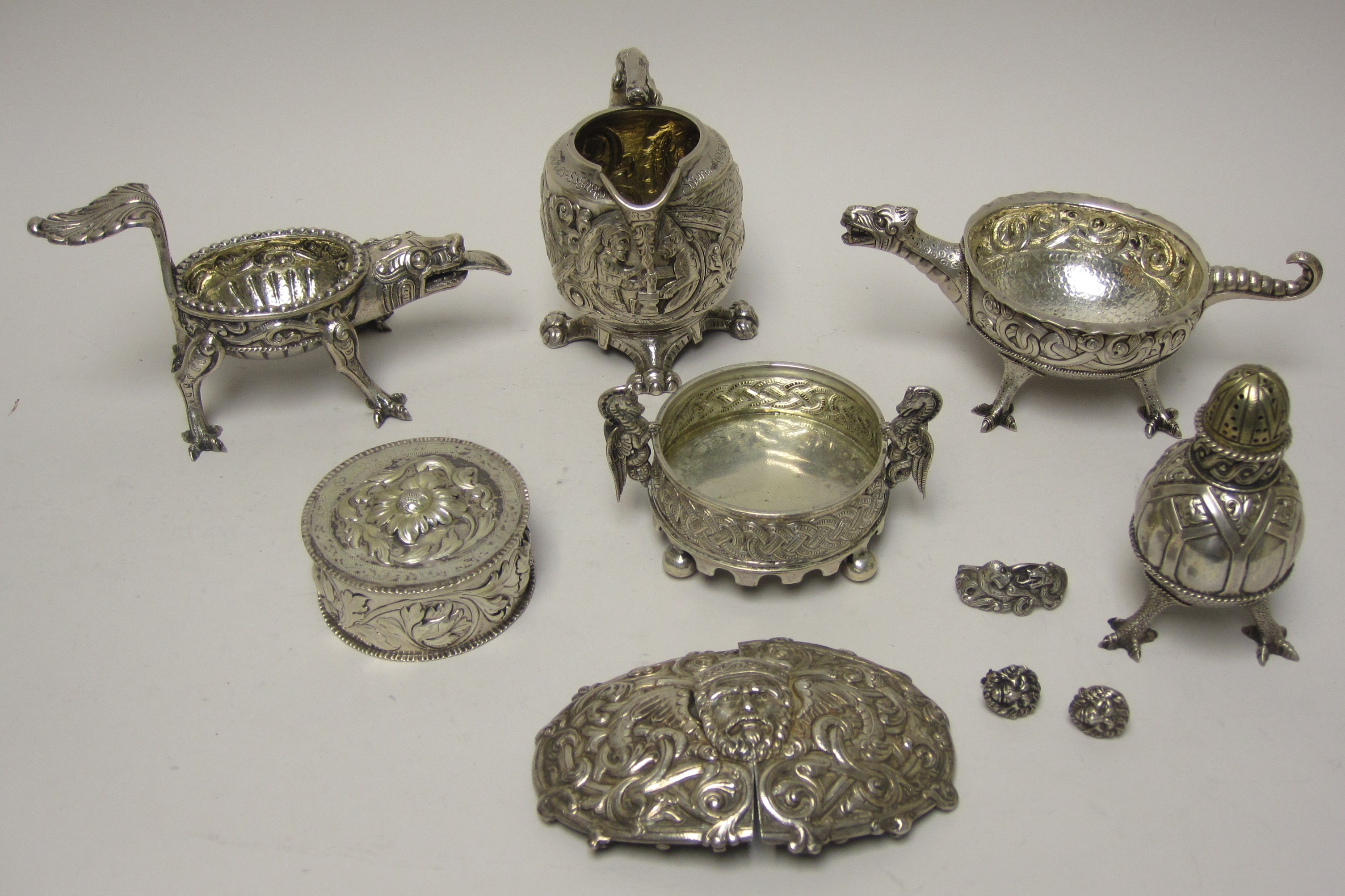
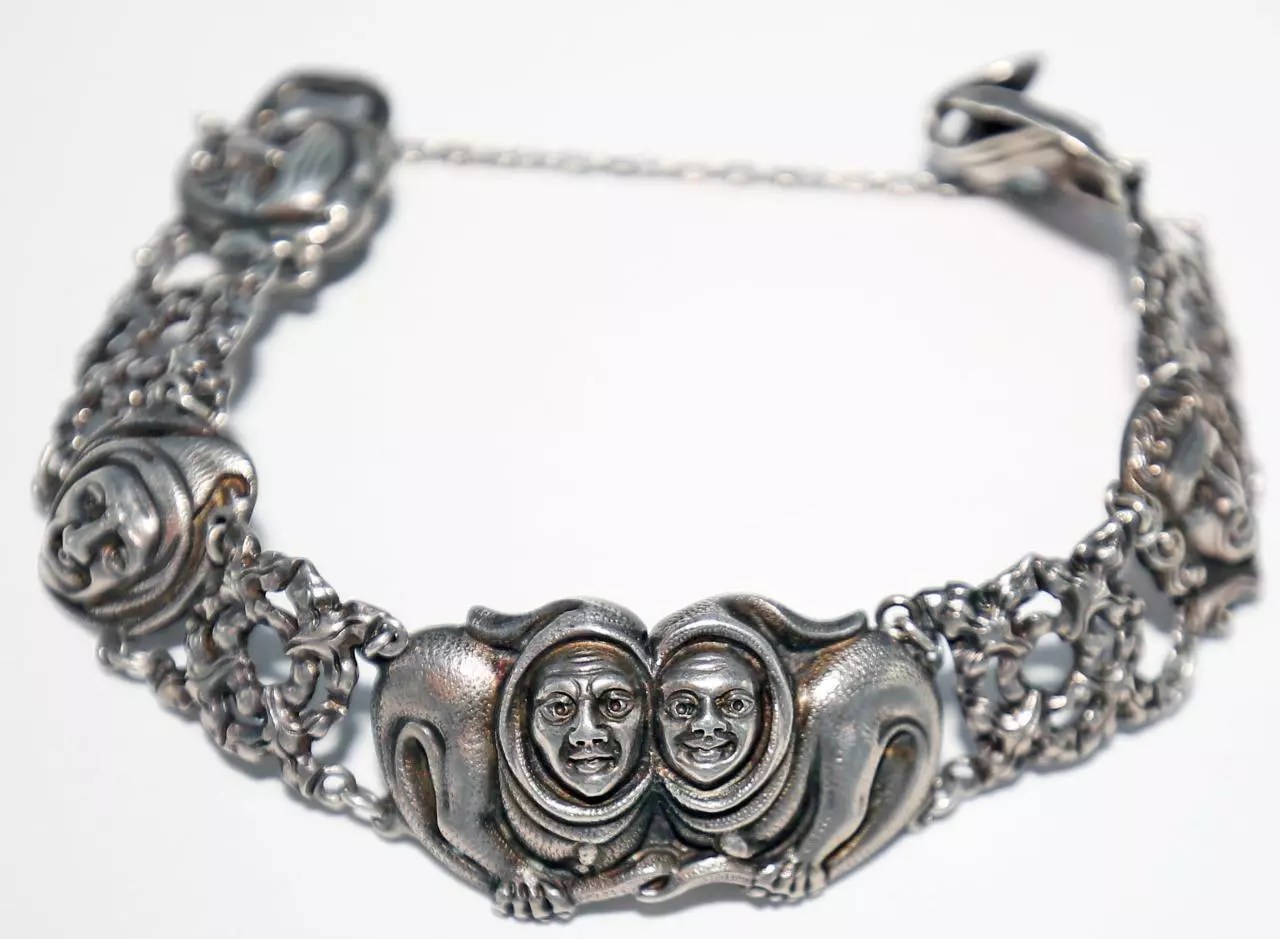
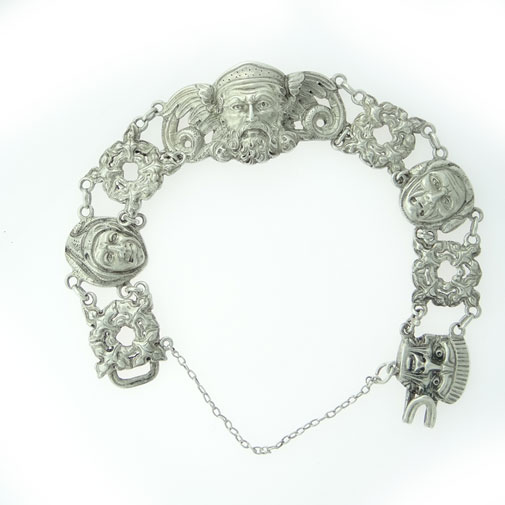

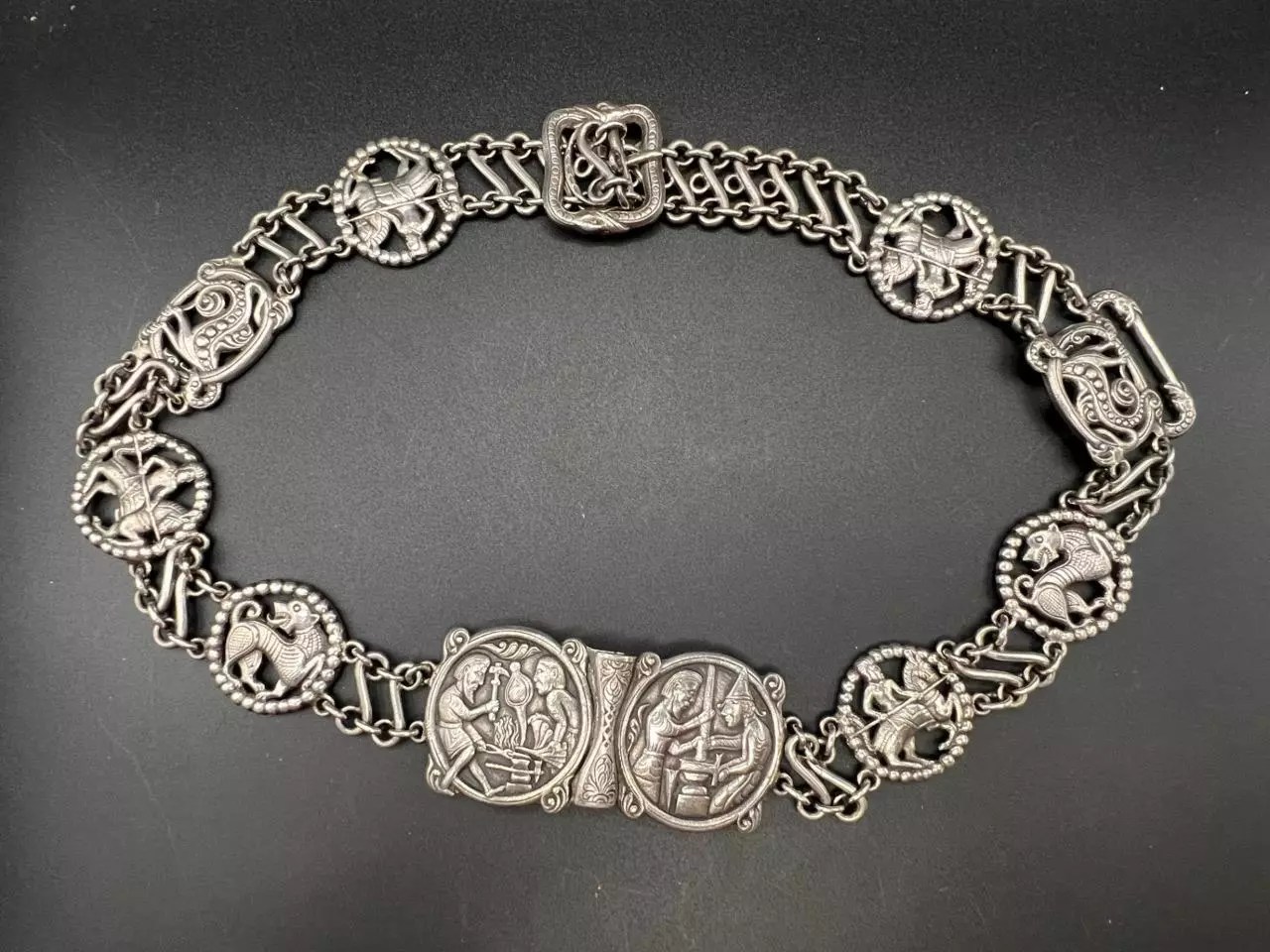

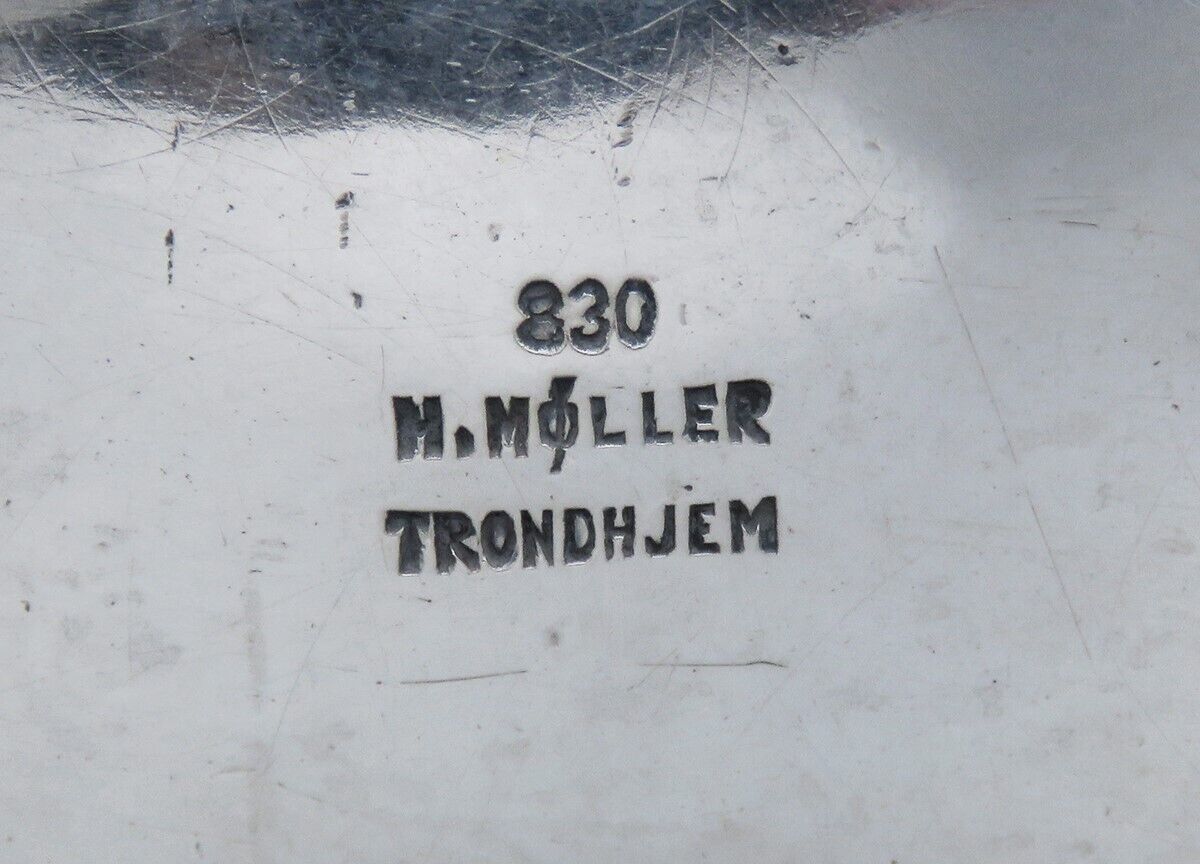
His work is stamped with the 830 Norwegian silver, Trondhjem and H. Møller:

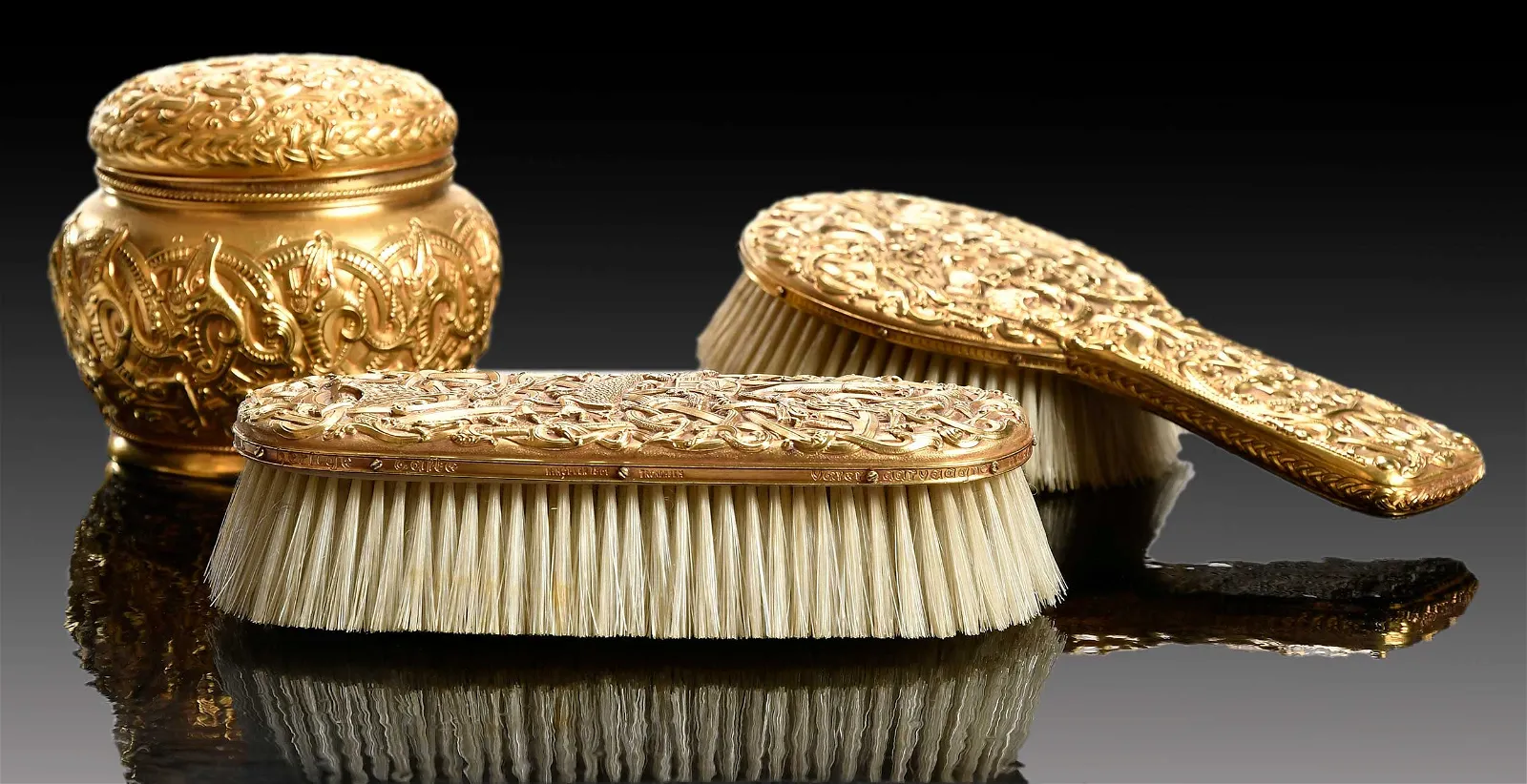
Møller also produced fine pieces in 22k gold:
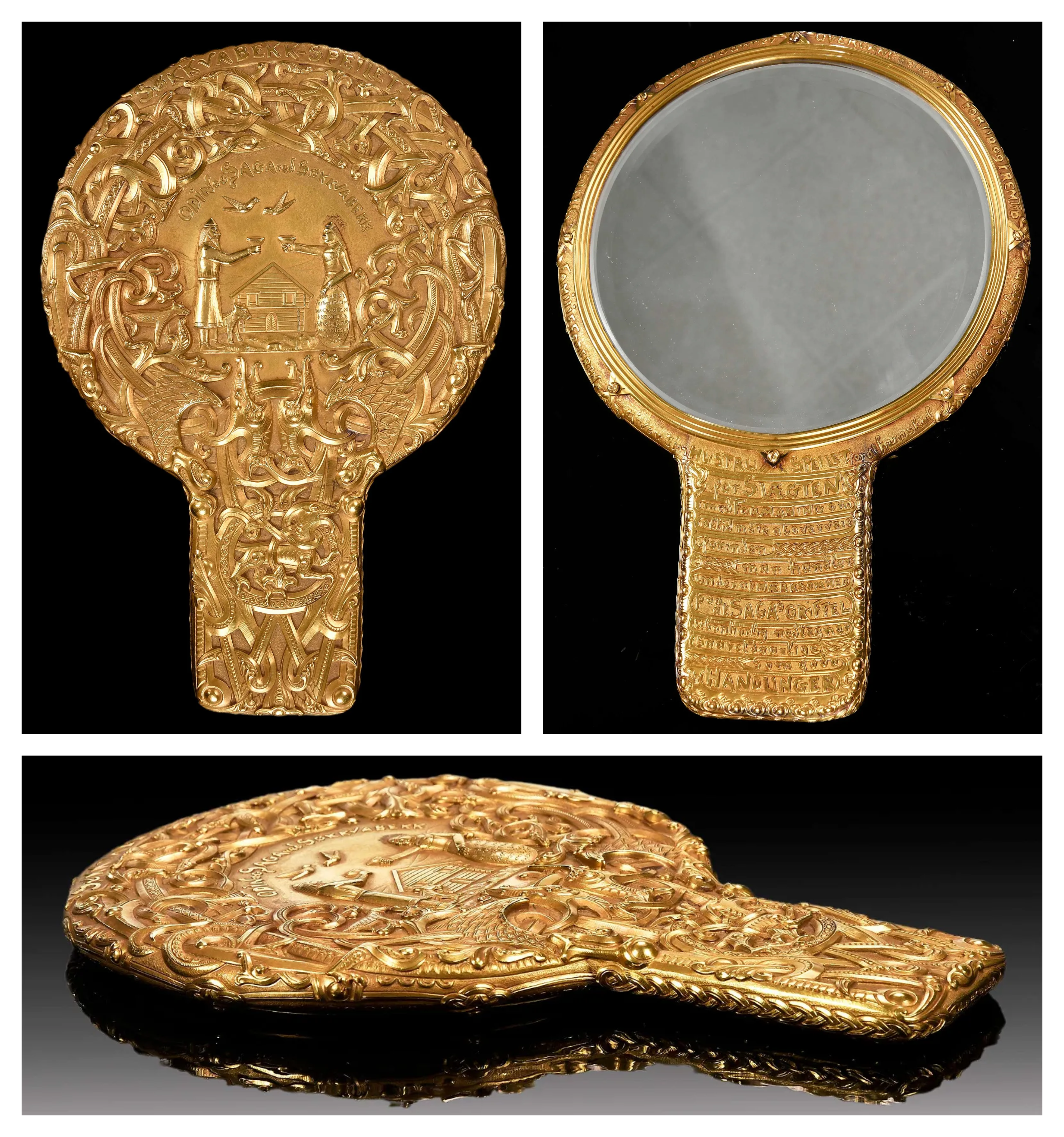
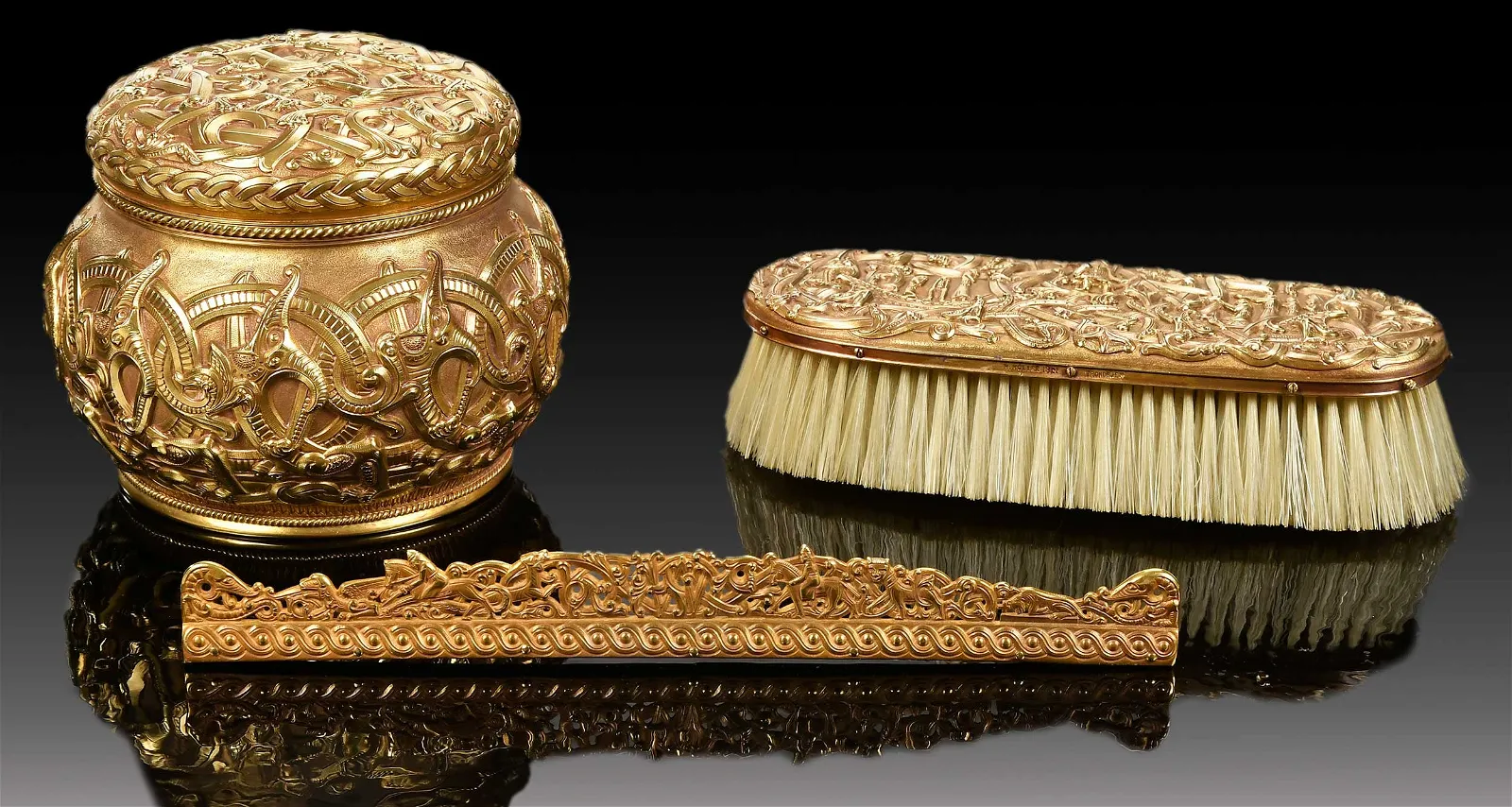
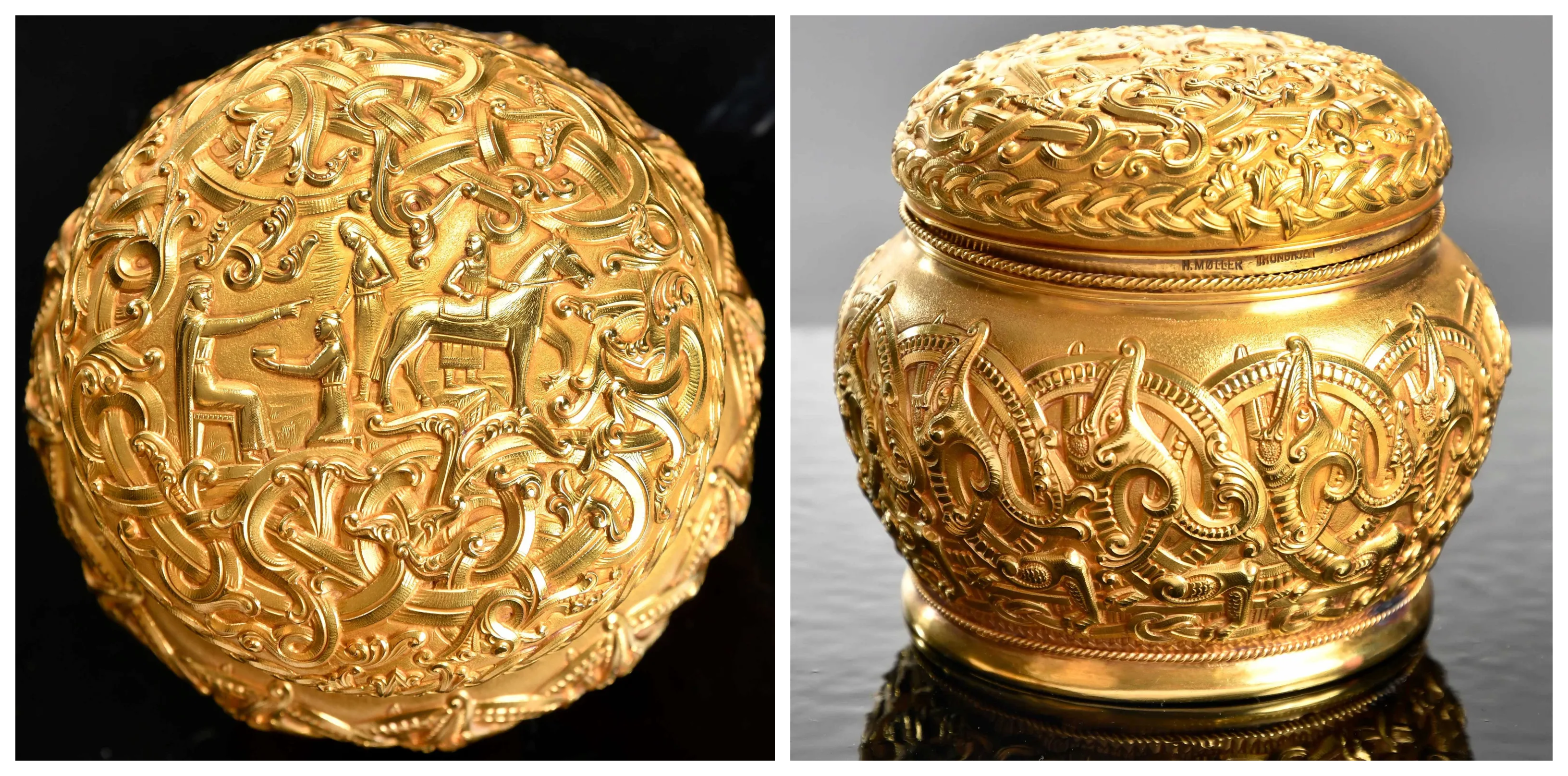
Møller quickly recognised the opportunities presented by the growing influx of tourists. From his workshop, a large number of works went to wealthy tourists and other customers in the heyday before the First World War. The clientele included, among others, the Duke of Hamilton, Andrew Carnegie, Queen Wilhelmina of the Netherlands and King Chulalongkorn of Siam (Thailand). Advertisements and storefront signage suggest that Germany and England were significant markets for his products.
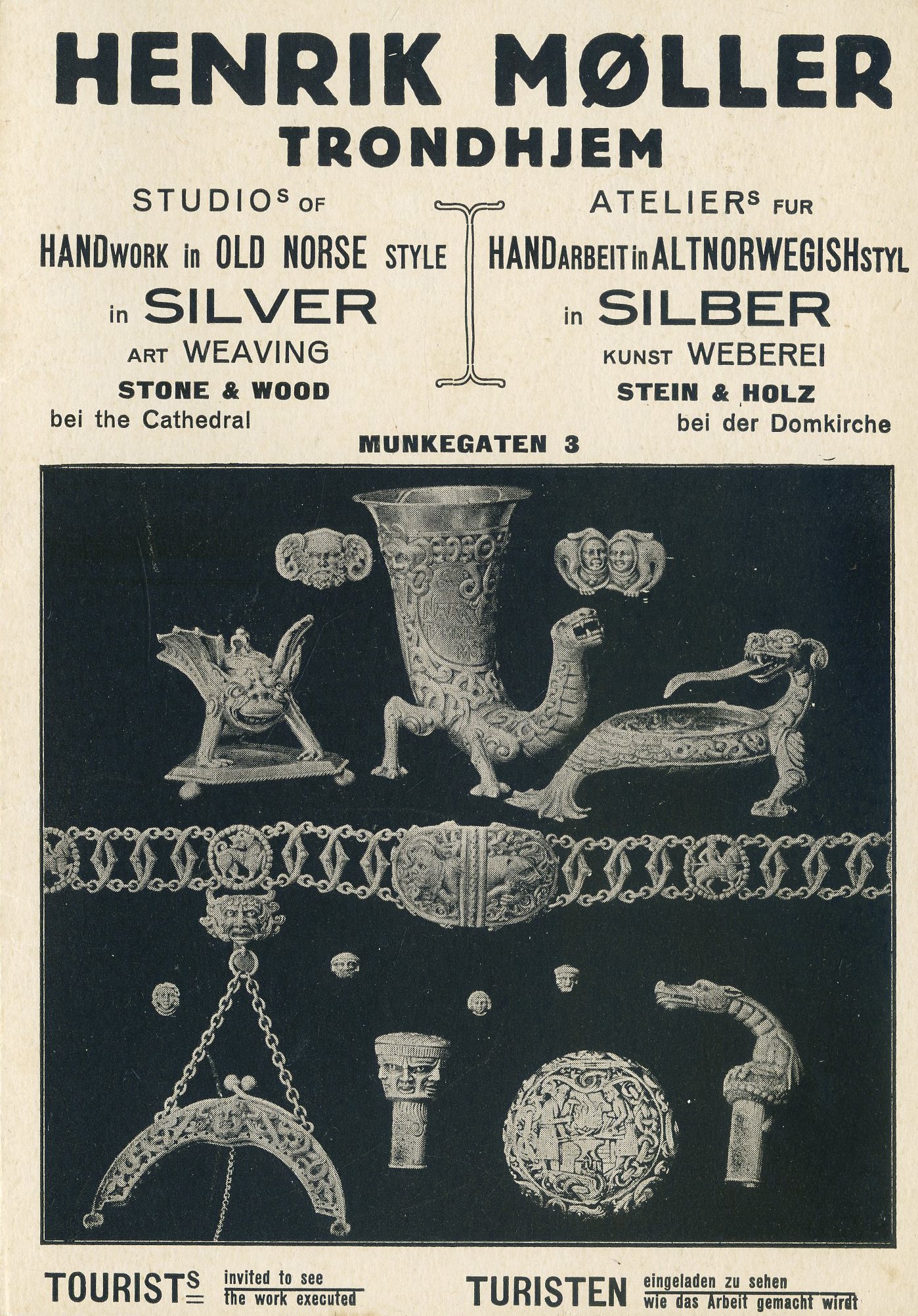
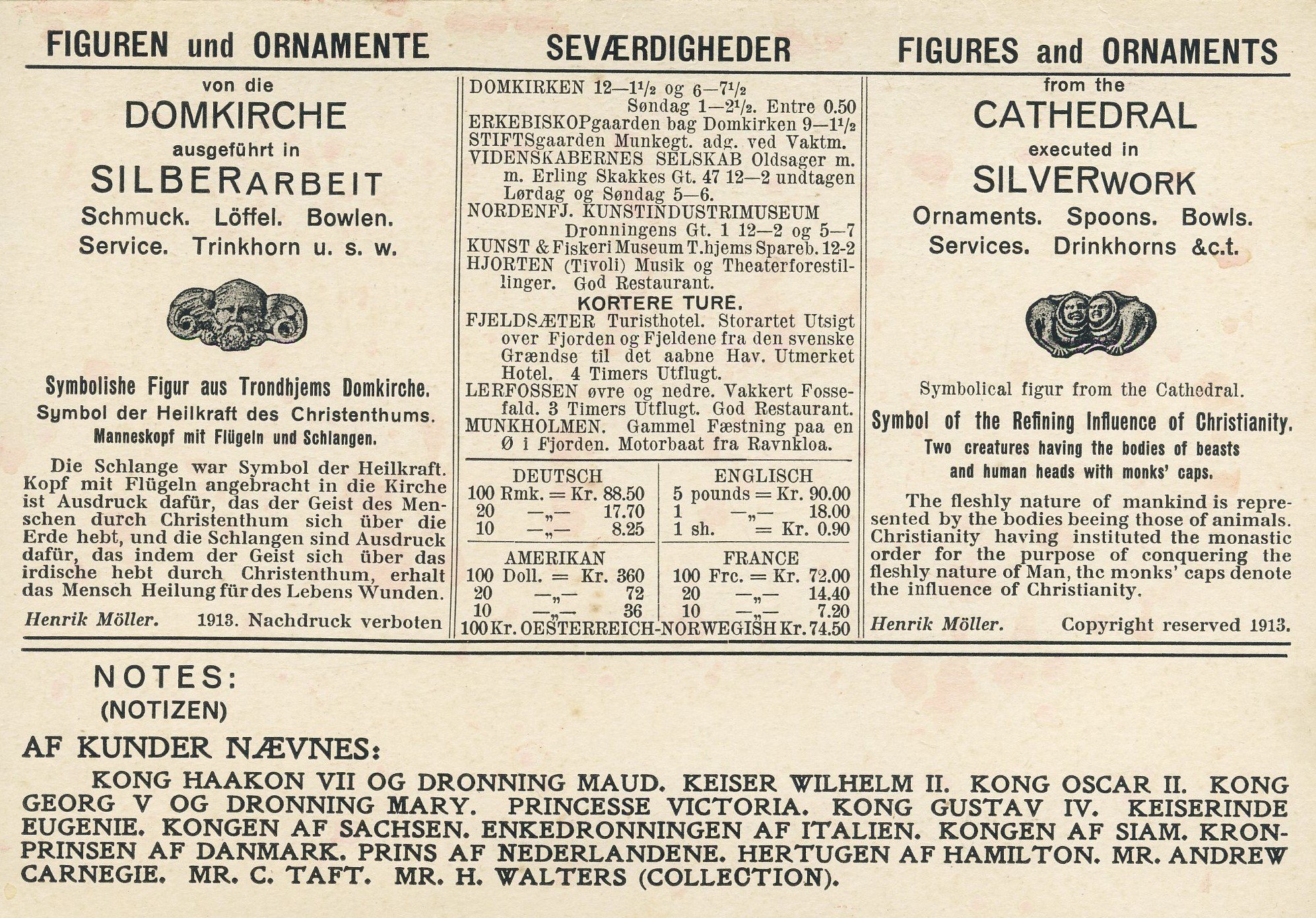

Among the largest works was a 1m high and 20kg heavy table top with dragons and motifs from the Hyllestad portalen, bought by Carl Neufeldt in Vienna in 1897. Among Møller’s better works can also be mentioned a jewelery box from 1890 for Mr. Tiarks, with a manned Viking ship in tight waves on the lid. Examples of his work can be found in the art industry museums in Oslo and Trondheim.
The production for the domestic market was less outlandish and grand. It included, among other things, a range of coffee and tea sets with dragon spouts and dragon handles. Mention should also be made of popular jewellery, belts and combs with motifs from Nidaros Cathedral. From 1900 until the First World War, he also ran Henrik Møller’s Metalware Factory; In 1902, 50 men worked at the factory at Elgeseter in Trondheim. Many kinds of products were produced here, from door knobs and furniture fittings to chandeliers and ship lamps. In 1906, Møller delivered all the altar equipment to the new Lademoen church.
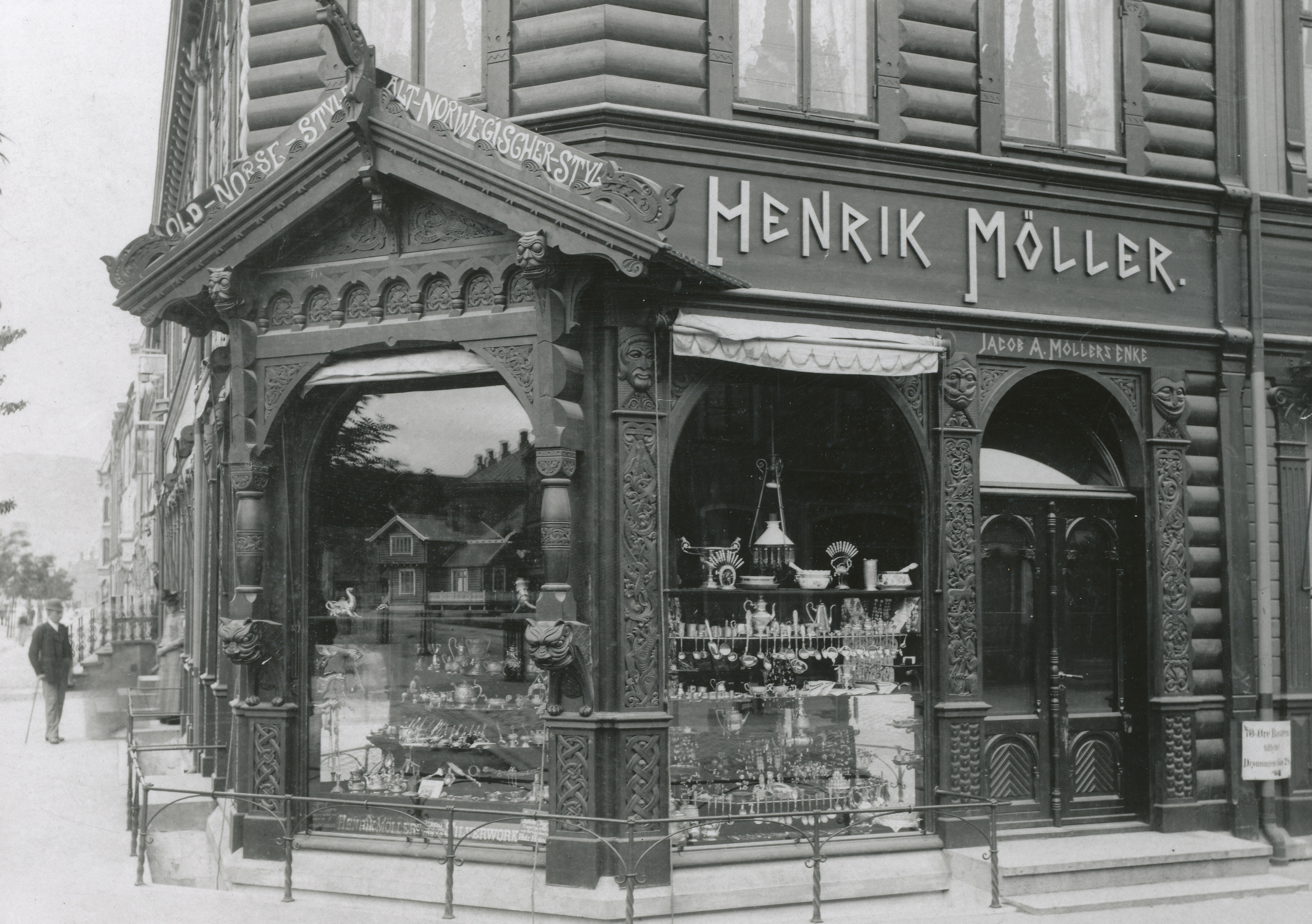
In the first years, Møller had his own display cases in his mother’s shop at Dronningens gate 28 in Trondheim. From 1892 he lived at no. 16 in the same street.
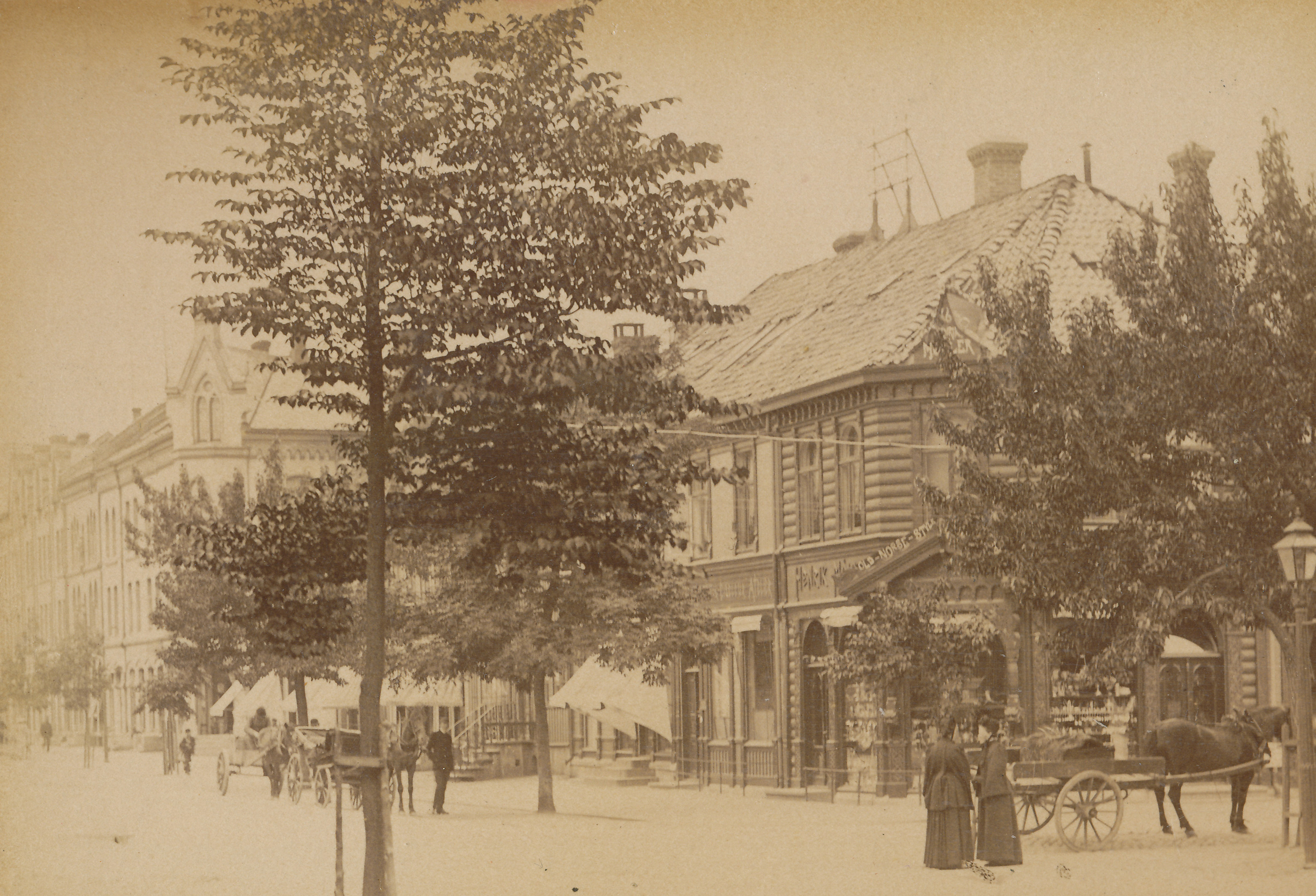


The shop facade was adorned with wonderful friezes and posts carved by Anders Lie based on Møller’s drawings. The shop was demolished in 1954. Fortunately, all the facade carvings were apparently saved and taken to the Sverresborg Folk Museum.
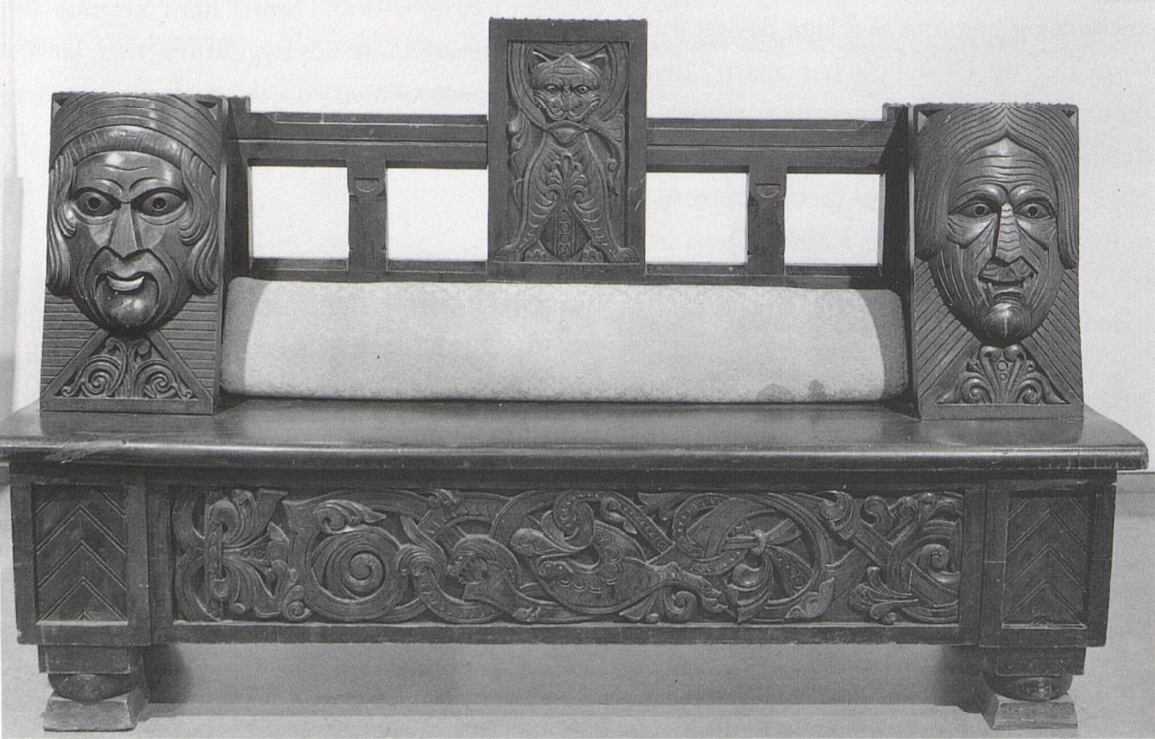
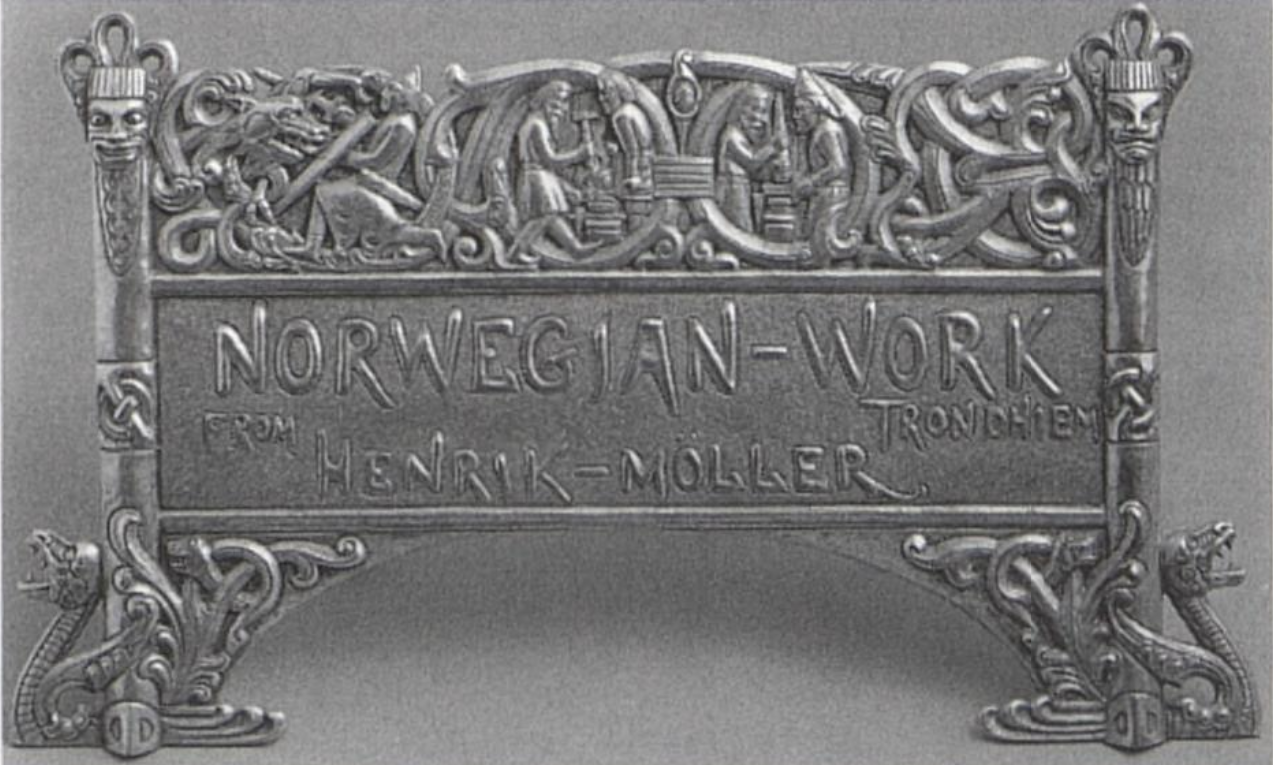
The Møller family has, under various names and ownership, run this business. In 1911 they opened a goldsmith’s shop in Munkegata 3, just below Nidaros Cathedral.

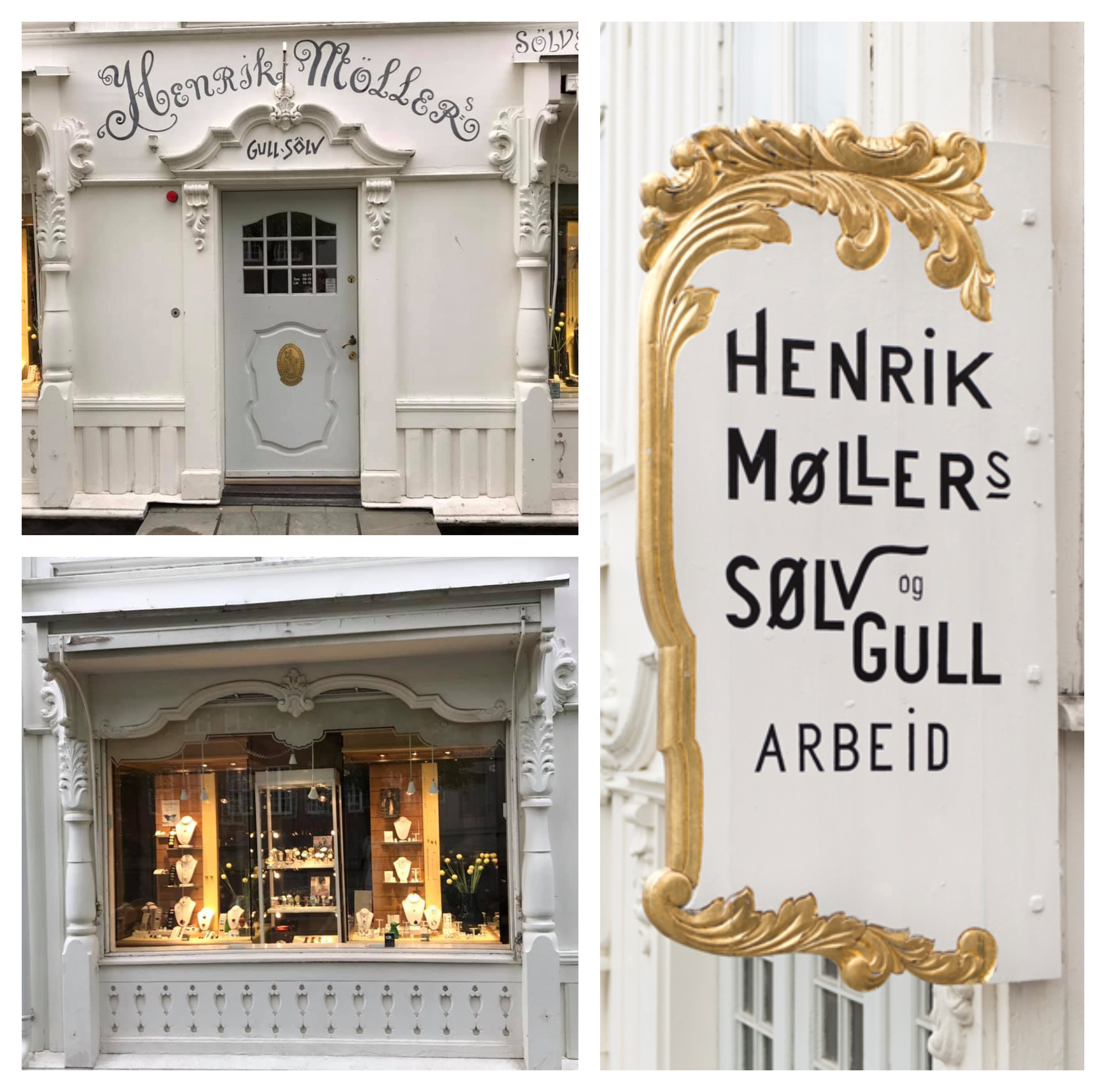
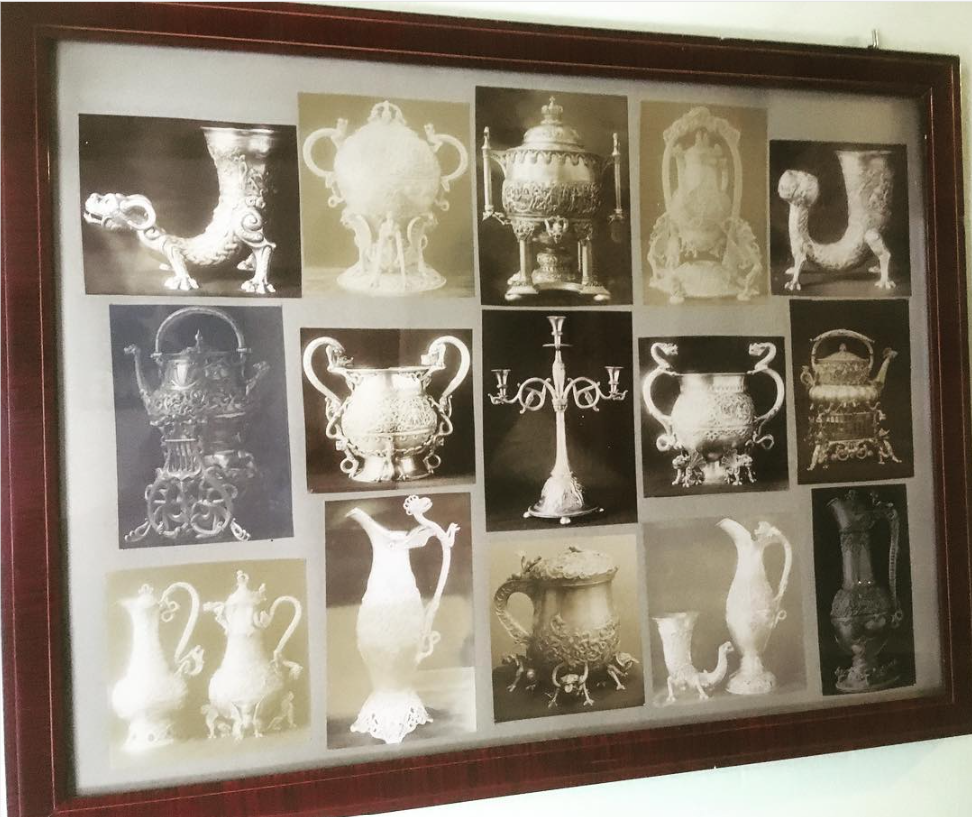
Photo credit: Karinasamlersmykker
Møller held a number of positions in craft organizations and was a member of several public commissions. He received the King’s Medal of Merit in gold in 1922 and became an honorary member of the Norwegian Goldsmiths’ Association in 1932. His work is represented in the National Museum and Nordenfjeldske Kunstindustrimuseum, and a number of international museums.
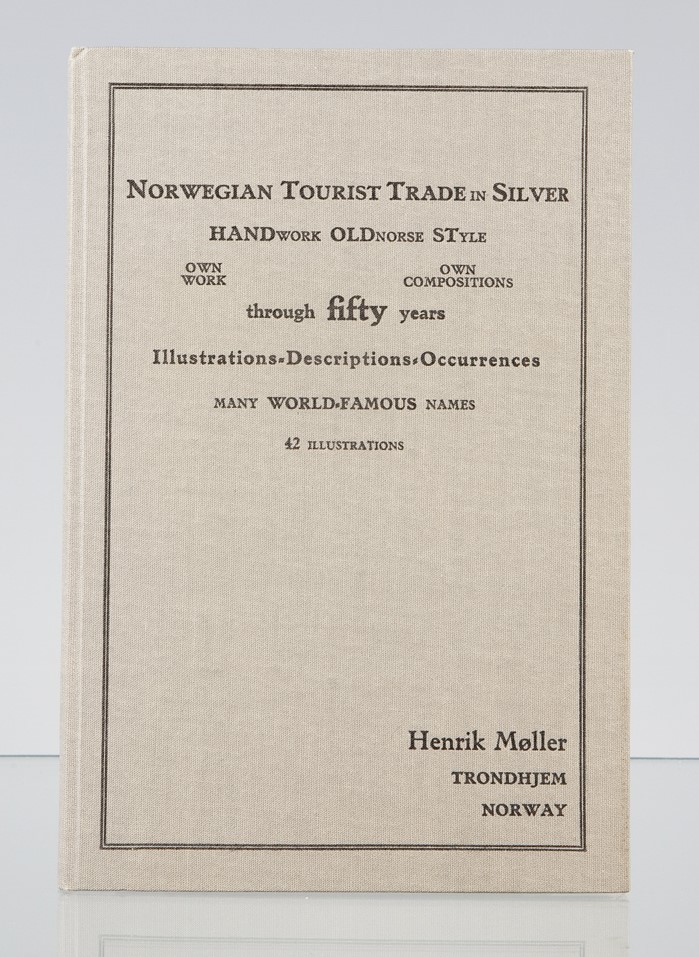
For many years, Møller ran his business and a large workshop in Trondheim with great success. In 1934, Henrik Møller published a richly illustrated, autobiographical book called Norwegian Tourist Trade In Silver. The book describes his life and mentions his most extraordinary works sold to wealthy and royal clients. Møller also details the intentions of his creations: “From the beginning, my efforts were to try to secure tourists as customers and awaken their interest by presenting objects in original artistic handwork according to my own designs, chiefly in old Norwegian style, hammered by hand, embossed and chiselled work, objects decorated with scenes, ornaments, and images from old Norwegian mythology, sagas, and decorations.” (Halén 1992, p. 25).
“Møller’s style is characterised by a compactly intertwined ornamentation of tendrils and animals, accentuated with sculpted dragons, beasts, and figurative friezes, often accompanied by explanatory inscriptions and quotations. Møller’s work above all reflects a vivid imagination paired with a good sense of humor and great enthusiasm for national motifs” (Halén 1992, pp. 25-26).
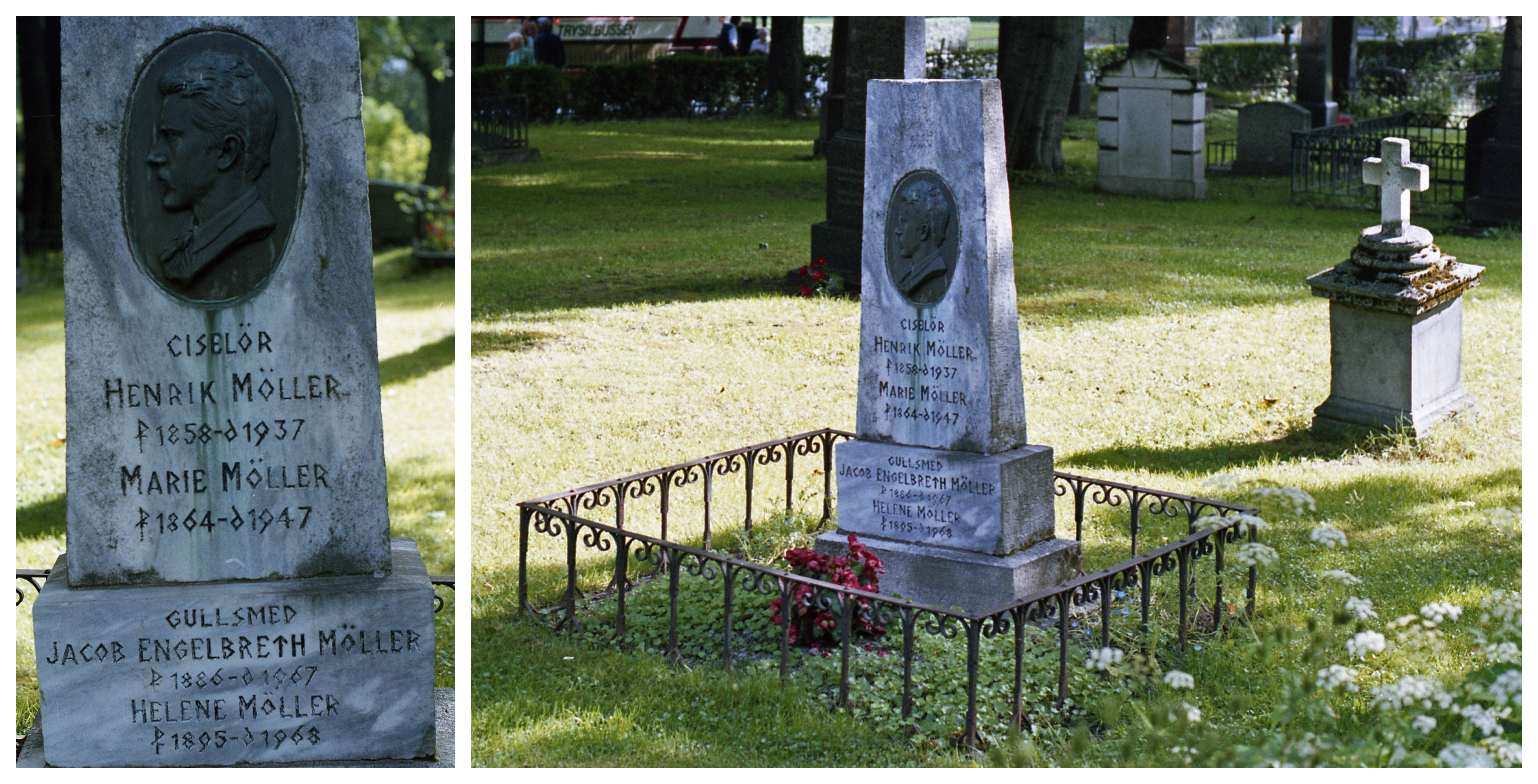
Henrik Møller passed away on 16 May 1937 in Trondheim at the age of 78. He left behind a rich legacy and his fine mythical creations continue to be highly sought after by collectors around the world.
About the Author
For more articles visit Dayne’s Discoveries Blog, browse our online shop, or contact us to share information, stories, or photographs relating to Henrik Møller.

 Dayne's Discoveries
Leave a comment