”Throughout history humans have been known by more than one name to distinguish them from other people with the same name. As societies became more complex, or were colonised by more complex societies, these distinguishing names became fixed and were passed on to the next generation.
Norway
Meaning:
Over the years, there have been many unique and creative family stories relating to the meaning of the name Skolmen, such as the ancestral Skolmen farm in Nordre Land, Norway was named Skolmen for the many skulls found there, or that the name refers to a group of men drinking beer and saying the Norwegian word for cheers – ”Skol”, or a pea pod – the shape of the valley on which the farm is situated. However, the origins of the name seem to be derived from the word ”skolm”, which is used to describe something that is divided into two parts (Source: Boka om Land, VIII, p. 679). This could be a landscape divided by a river or a steep valley – in the case of the Skolmen farm, there is a river named Skolmåa which runs along the bottom of a steep valley where the farm is situated. The same division applies to a shuck (in botany – an outer covering such as a husk, shell or pod of a seed), which probably also divides into two halves.
The first written occurrence of the name Skolmen is from the year 1669 in relation to the Skolmen farm. The spelling of the name of the farm changed over a period of time, as the first documented name of the farm was Skolnne (1578), then Skolmenn (1592), then Scholmenn (1595), then Skolmenn (1604), and finally Skolmen (1669).
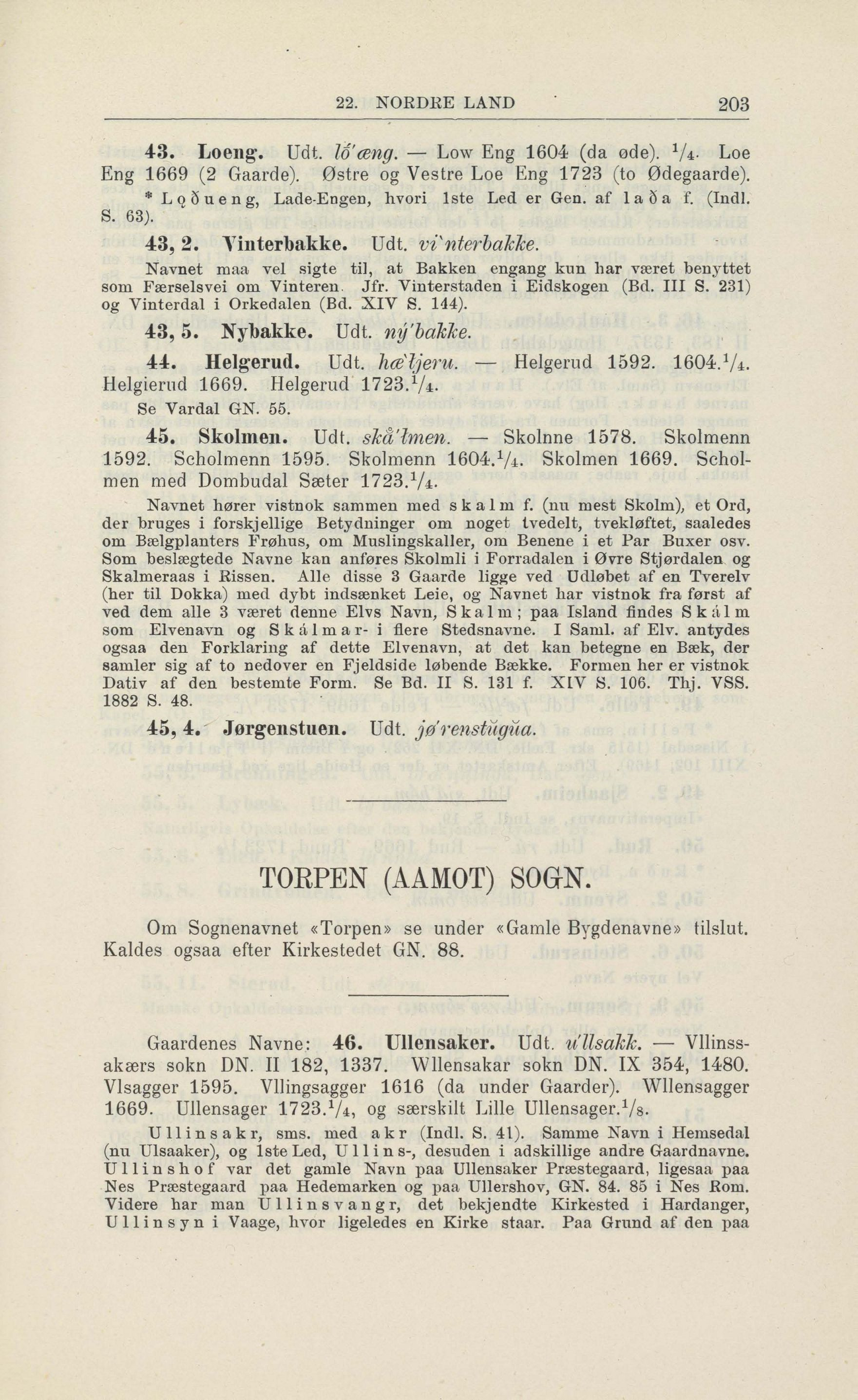
Though it is uncertain as to who gave the farm this name, based on the information obtained, it seems that the reason the farm received the name Skolmen was due to a small river that divides the terrain into two parts (source: Norske Gaardnavne. Oplysninger samlade til brug ved Matrikelens Revision, Oluf Rygh, Kristiania : W.C. Fabritius, 1897-1936).
Below is a page extract from the Norwegian book where this information was obtained.
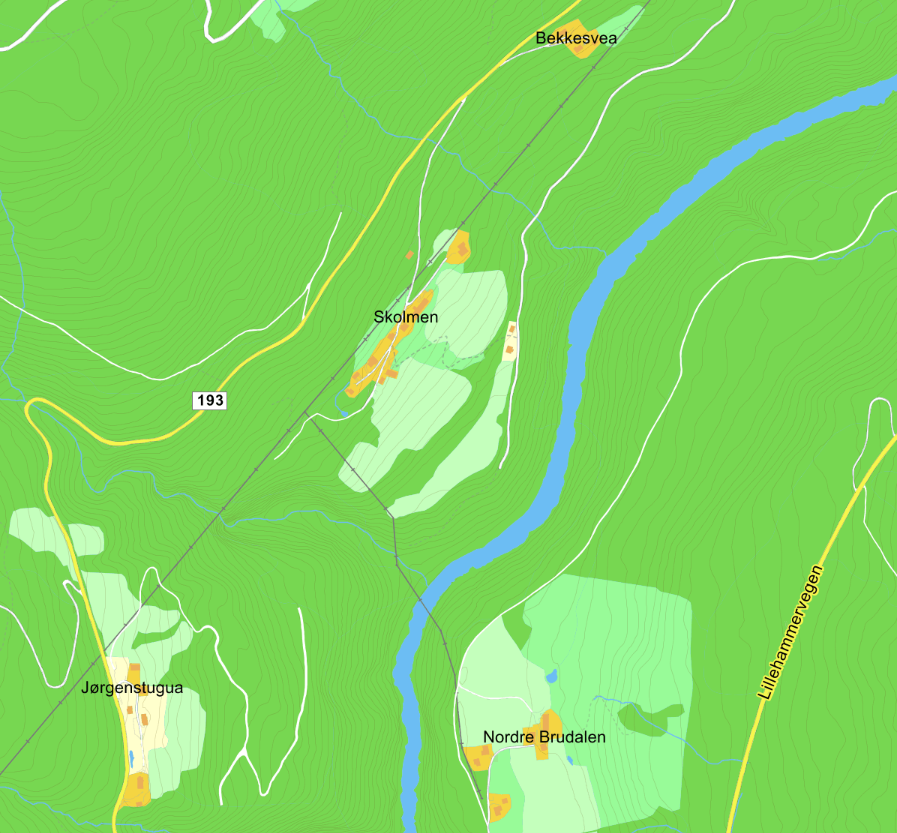
Below is a map illustrating the position of the farm and the river cutting through the valley (Source: Gule Sider).
Locations named Skolmen:
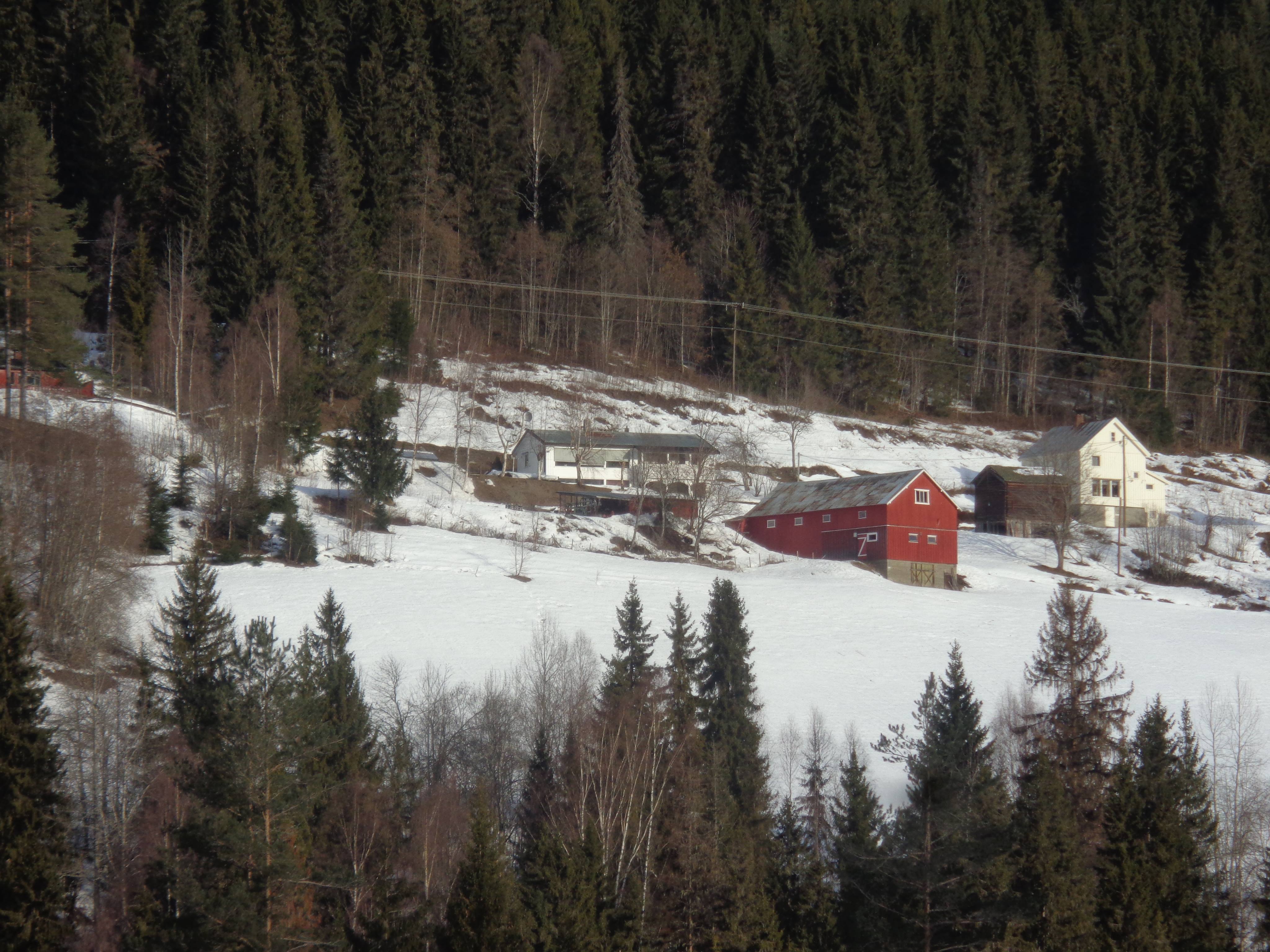
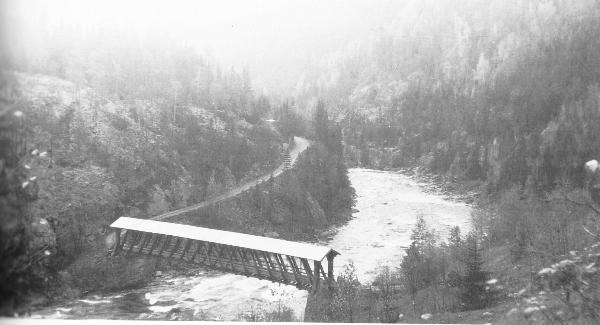
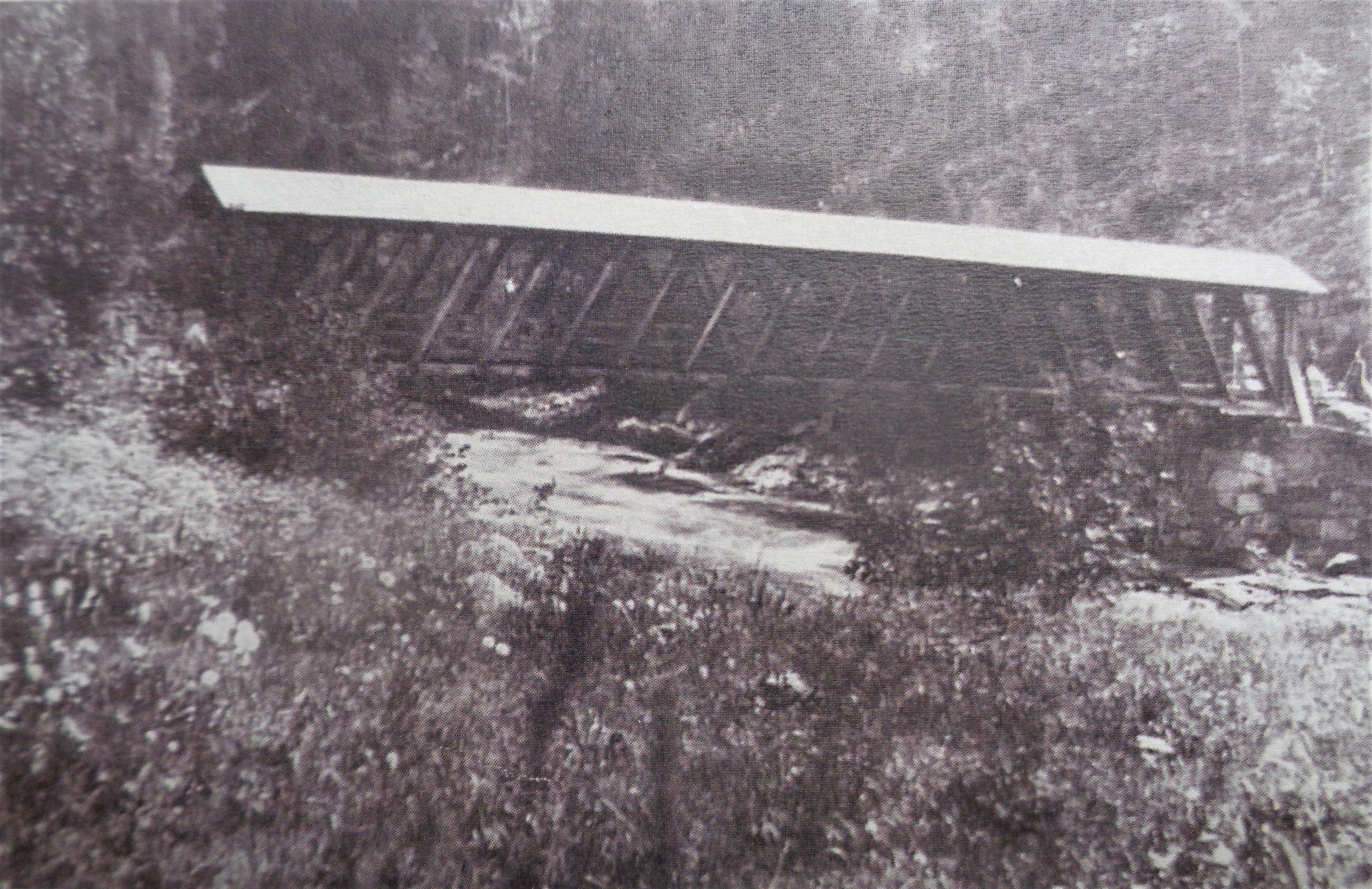
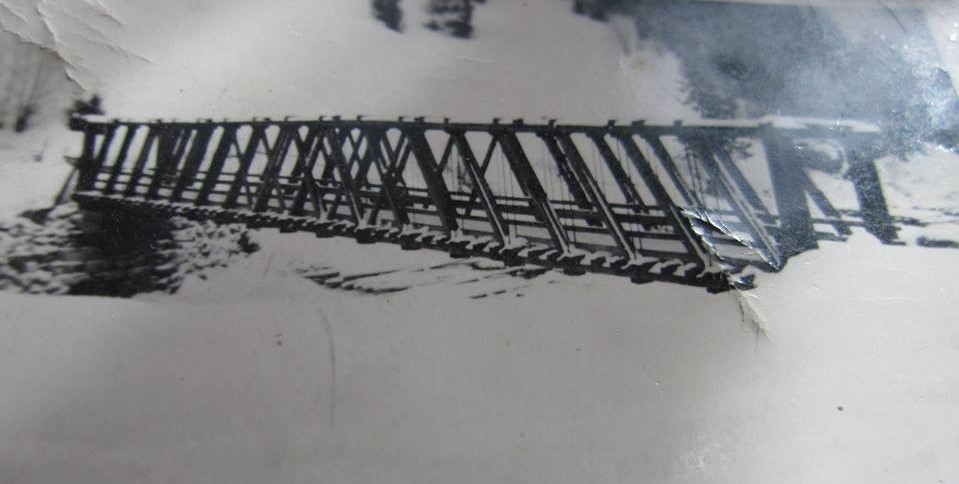
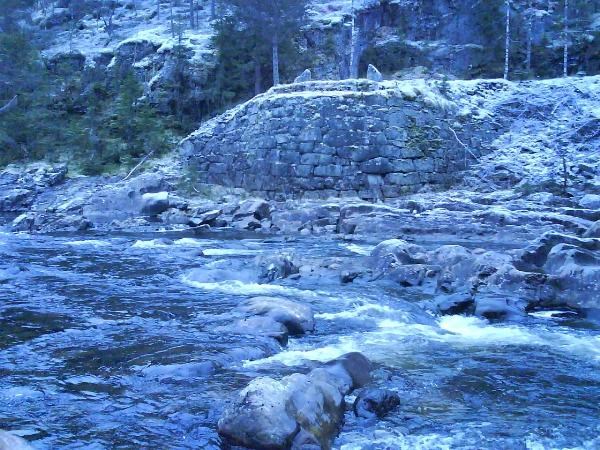
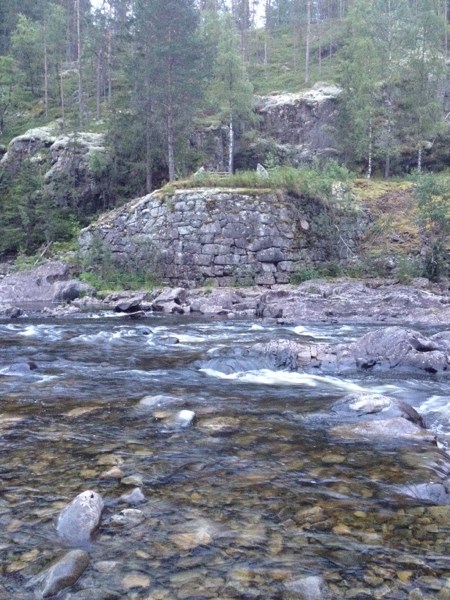
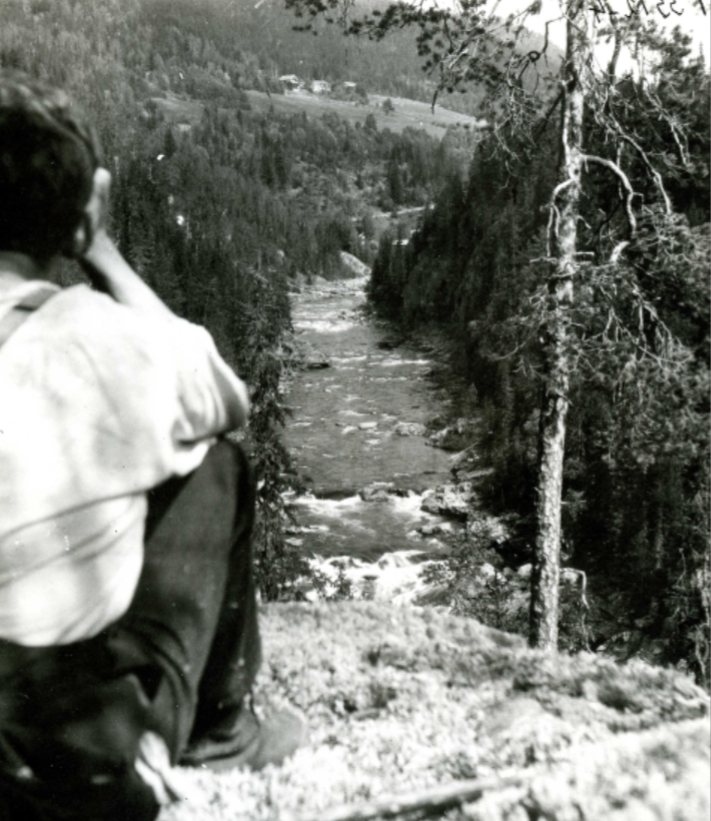
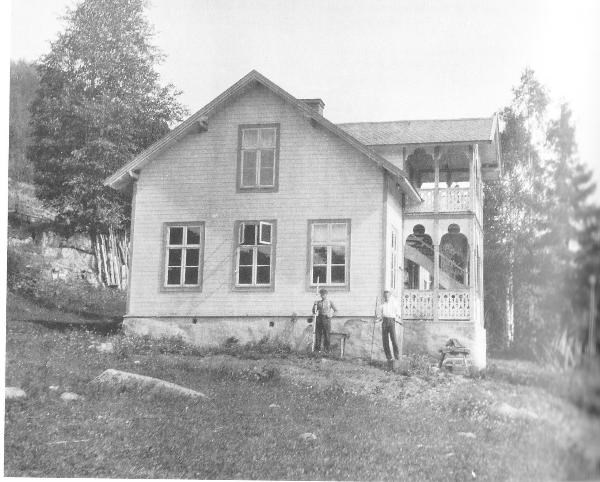
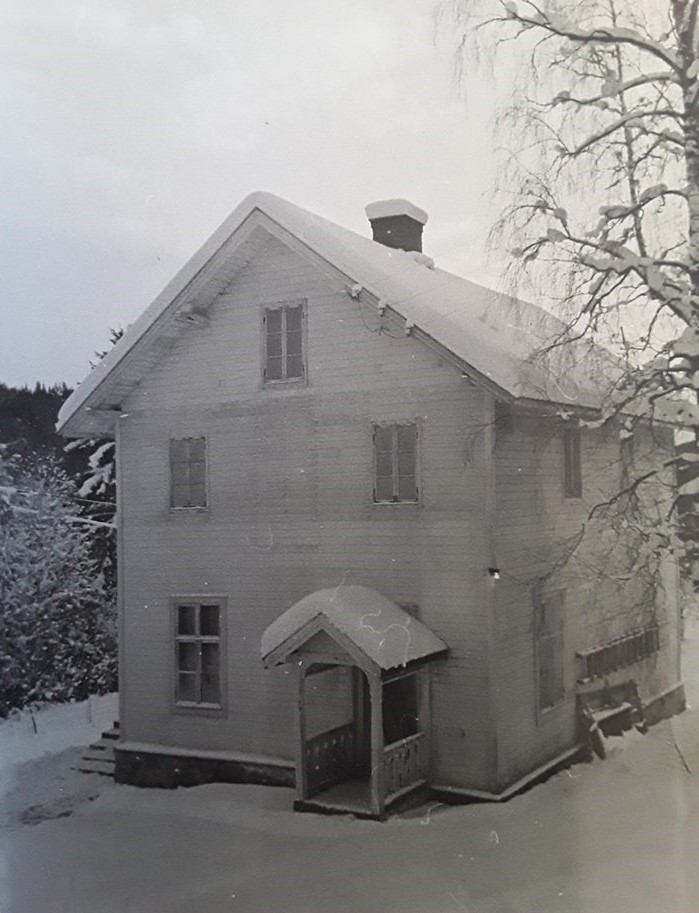
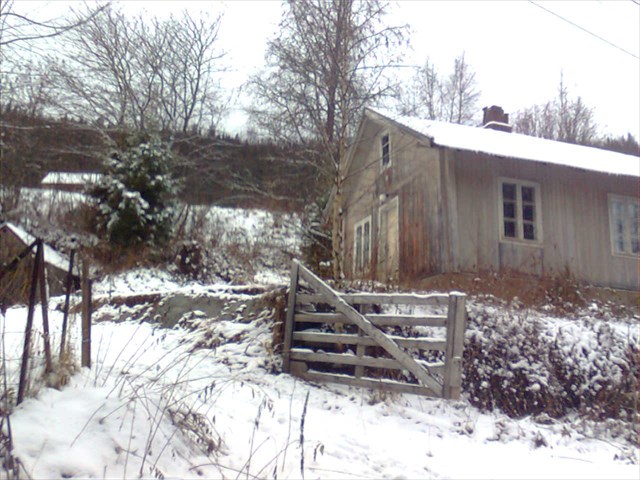
It was tradition within the Skolmen family that the first born son would take over the running of the farm. However, when Kristian Skolmen grew up he had no desire to be a farmer and instead wanted to teach, play music and paint. According to Thomas Stubberudlien Brudalen, ”Torger Skolmen sold the farm out of the family is 1896 and the Skolmen farm was split in two in 1916.” It seems that the farm was auctioned off in 1933 when Thora Skolmen died and Ole Torgersen Skolmen (Kristian’s younger brother) his wife Caroline Mathilde purchased the Southern part of Skolmen the same year for 7000 kr. Arne Olav Nordrum owned the Northern part. After returning to Skolmen, Ole tried to keep up with the cultivation of berries and vegetables, and Ole’s wife, Caroline, became a teacher at the Skolmen school. However, the family’s economic problems continued beyond the thirties, and in 1940, the farm was sold by a forced sale. Caroline then bought it back for 3947.46 kr, but the situation did not improve because things happened during the war that caused them problems in 1945. Ole died on 22 December 1942, and is buried at Haugner Chapel in Nordsinni Sokn in Northern Land. Caroline and their two sons stayed at the Skolmen farm until about 1951 when they had to leave the farm after forced sale and many years of economic misery. Both Caroline and her sons moved to Oslo. This was the last time a Skolmen owned the Skolmen farm (to the best of my knowledge). The Southern part of Skolmen was then bought by Helge Rundhaug and Gunhild Røstelien, and today their son Hans Rundhaug owns it and lives there. The Northern part of the Skolmen farm was put up for sale in 2018 and sold to a farmer named Hans Hansvold who owned the land on the opposite side of the valley. Out of courtesy, Hans contacted Frederic Gyldenblå Skolmen to see if he wanted to buy the Skolmen farm so that it could once again be owned by a Skolmen. After discussions with his father, Roar Skolmen, they both decided that while it would be great to own the Northern part of the Skolmen farm, it would not be practical for them to maintain and run it. When I visited the Skolmen farm in July 2017, the owner at the time – Arne Nordrum, mentioned that the area known as Skolmbygda also had a school and bridge, both named Skolmen, and that the bridge had been blown up during World War II by Norwegians to prevent the Germans from crossing the Dokka River. The Skolmen bridge was built in 1877 as a craftwork design, according to the model developed by the American farmer and designer William Howe. The bridge was a very important part of the main road between Dokka and West-Torpa at the time. This busy rural road accommodated both pedestrian, livestock, cars and trucks, but today is a quiet and peaceful path. Below are two photograph of the Skolmen bridge, taken circa 1900. The second photograph comes from Lands Museum in Dokka, Norway. At the start of World War II, the bridge was attempted to be destroyed, but it was repairable. On March 27, 1956, there was a notice in Oppland Arbeiderblad where people in Torpa complained about their distress over the bridge which was then in very poor condition. At the end of the bridge’s lifetime, it was closed off with a gate on each side. In 1957, today’s county road opened higher up the valley side, and the bridge was used as a footbridge for some years. In the 1960s, the spring flood destroyed the bridge completely, and it was never rebuilt. Only the solid stone foundations on either side of the river remain today, and these stand as a monument to ancient architecture (source: Skolmen Bridge Geocaching). Below is a map of bridges over the Dokka River from Dokka and up to Torpa. The Skolmen bridge is illustrated as number 5 on the map. A view of the Dokka River with the Skolmen farm in the background. The Skolmen school was established in the late 1890s, and the school building was erected in 1909. At that time, the school district had been closed down in 1902, but had opened again in the same year. The school had also been closed down in 1914, but reopened in 1916. In other words, discussions about schools have occurred in earlier times as well. Below is a picture from 1922-23 of the Skolmen school when there were students and life on the premises. The house was rebuilt after the picture was taken. When the road was laid over and people moved away from the village, the school become but a memory of a time past.



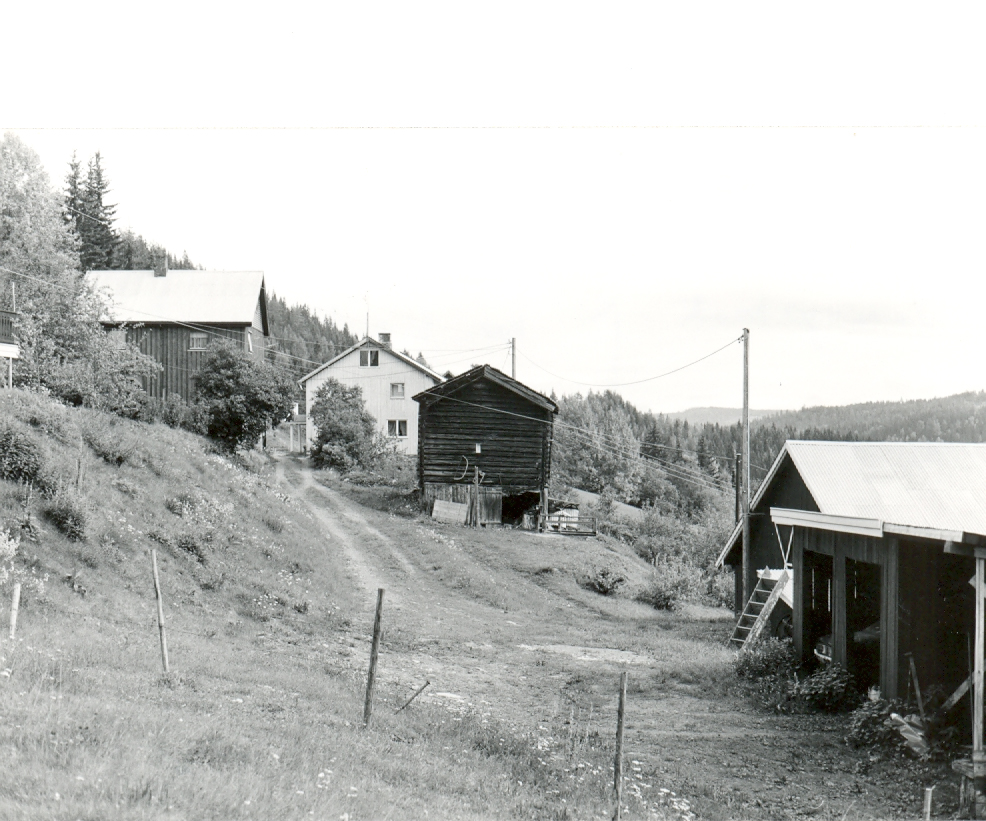
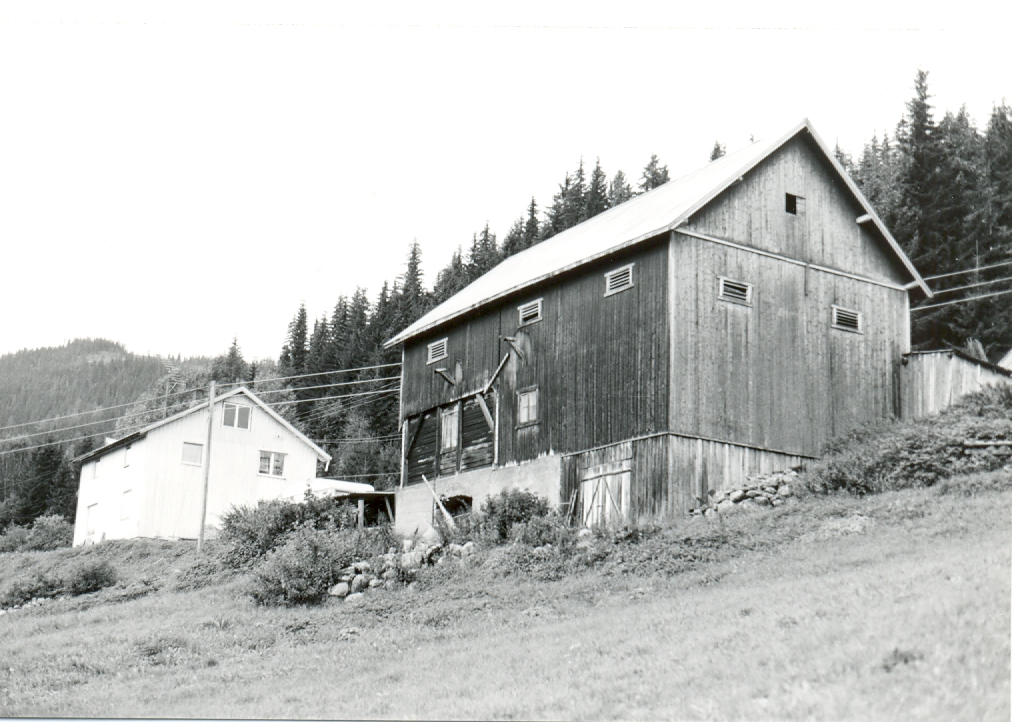
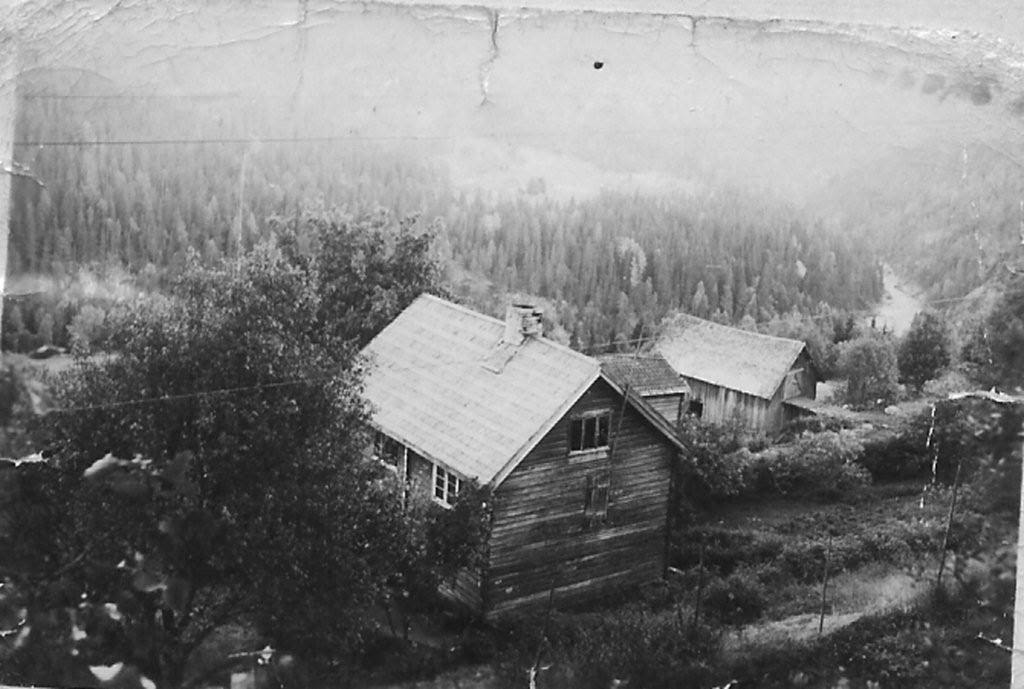
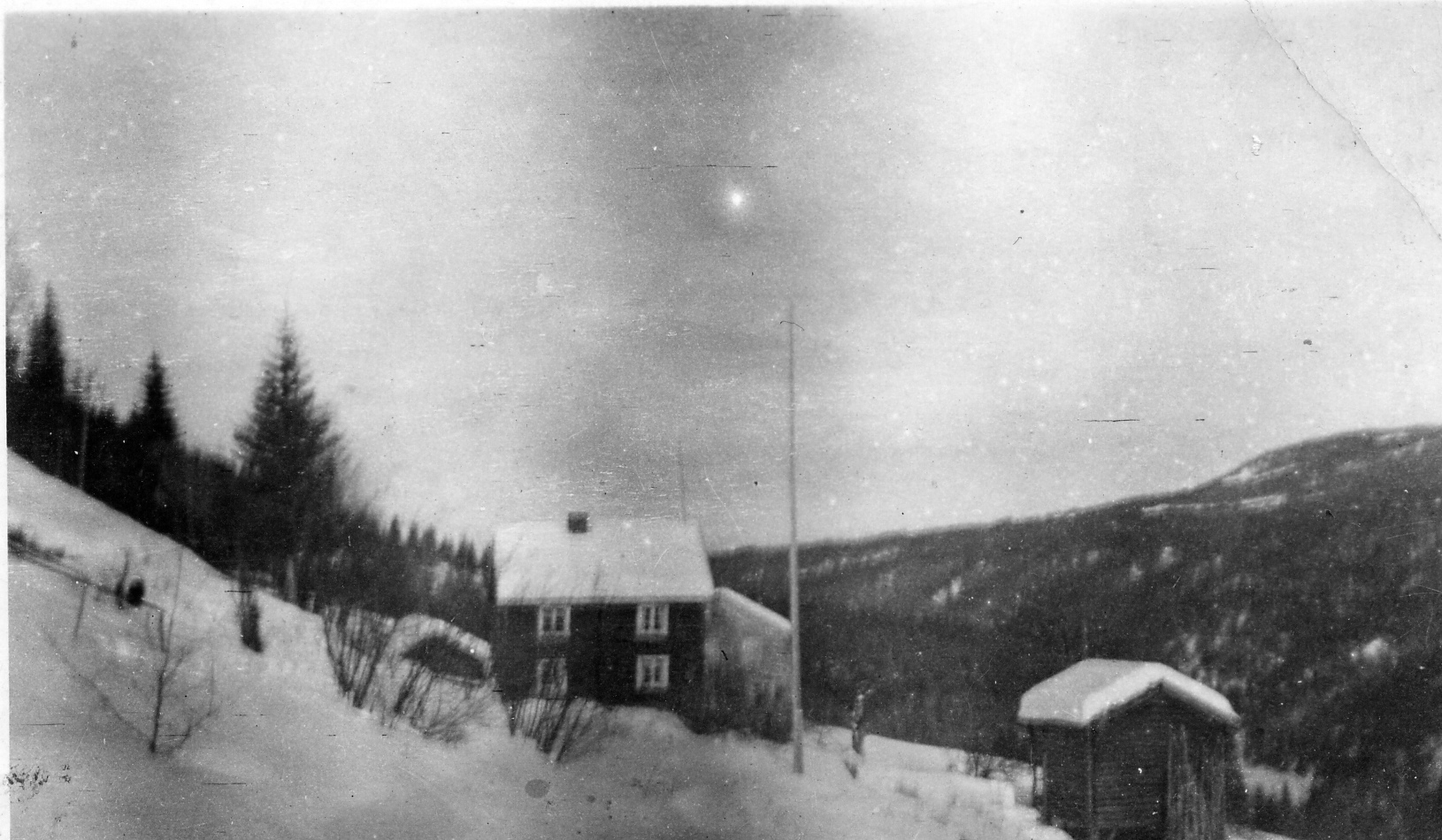



According to Aud Kirsti Pedersen from the Norwegian Mapping and Cadastre Authority – which is the regulatory body for Norwegian place names, ”The name Skolmen must be understood as ‘the mountain with the skolm’. The word skolm in the Norwegian language refers to a terrain feature – it has got the meaning ‘cleft, crack, opening’. The mountain named Skolmen must be accounted for as ‘the mountain with the cleft’, and if we look at the map below, I have marked the cleft with a red line:
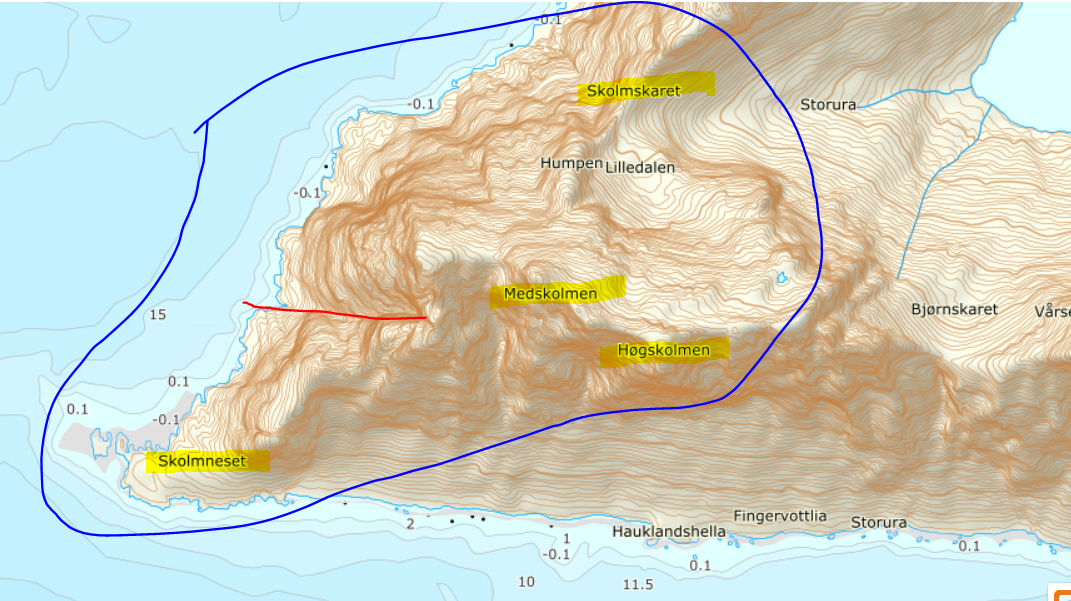
The name Skolmen seems to refer to the landscape area I have marked with a blue line. Høgskolmen means the ‘high + skolmen’, and more to the west is Medskolmen ‘mid + skolmen’. Other names derived from Skolmen are Skolmneset, nes is ‘headland’, and Skolmskaret, skar is ‘gap, pass in the mountain’.
The word skolm (maskulinum gender) is not very common in Norwegian place names. In our place name register the name Skolmen is found outside Vestvågøy municipality also used for hills in the municipalities Osterøy and Vågsøy, and a headland in Masfjorden, Skolmene and Skolmena are names for some small islands in Austrheim municipality – all situated at Vestlandet. In Frøya (in Trøndelag) Skolmen is the name of a fishing ground.
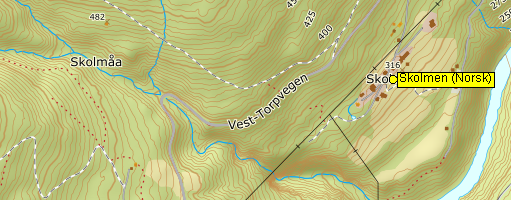
In Nordre Land (in the southeast of Norway) Skolmen is the name of a farm. This farm is situated next to a cleft, see the map below:
Place names are in general inherited from earlier generations, and we do not know who gave the names/ invented the names. The place names represent a cultural heritage from unknown name givers before us, due to this, Norway has got a Place Name Act for protecting this heritage.
It is very often difficult to estimate the age of a place name. If we can find a place name in a written source at a certain time, we have got evidence that the name existed at the time when the text was written down, but the place name might have been given long before it was mentioned in a written source.
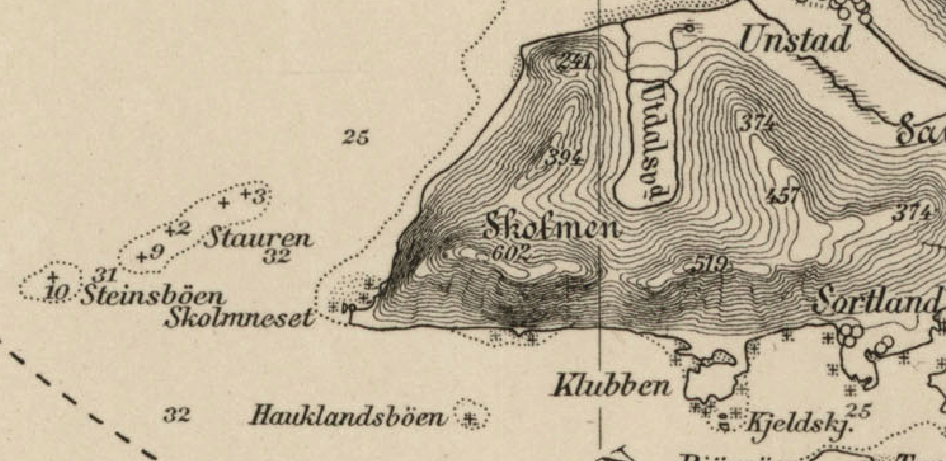
Mountain names were generally not documented in written sources before the authorities started making more detailed maps. In Norway, detailed maps date back to the second half of the 1800 century. The map below ‘’Gradteigskart J10’’ was first published in 1907, and Skolmen is on this map:
If we examine topographical literature we might find occurrences of place names. The words and grammatical form that occur in a place name could help us with dating the place name.
Skolm has a feminine gender, and the ending -en is a dative singular ending. The present Norwegian language in the area of Lofoten has lost the case dative long ago, but unfortunately we do not know when dative disappeared from the local dialect. The name is given at the time when the local dialect still used dative.”
Below are some Google images of Skolmen mountain, photographed from Utakleiv beach in Lofoten.

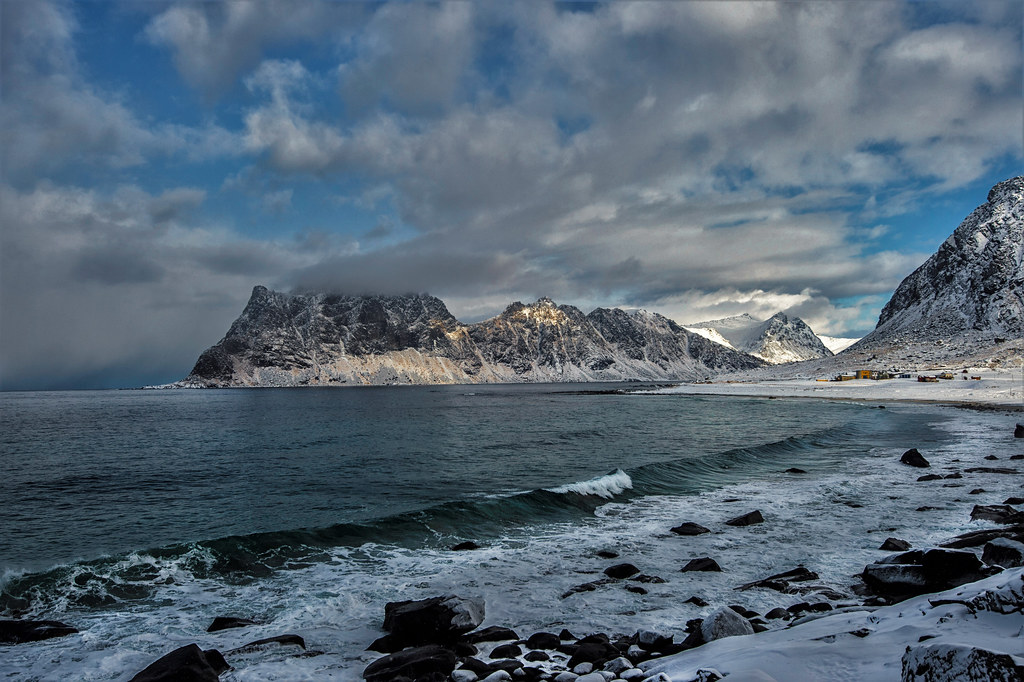
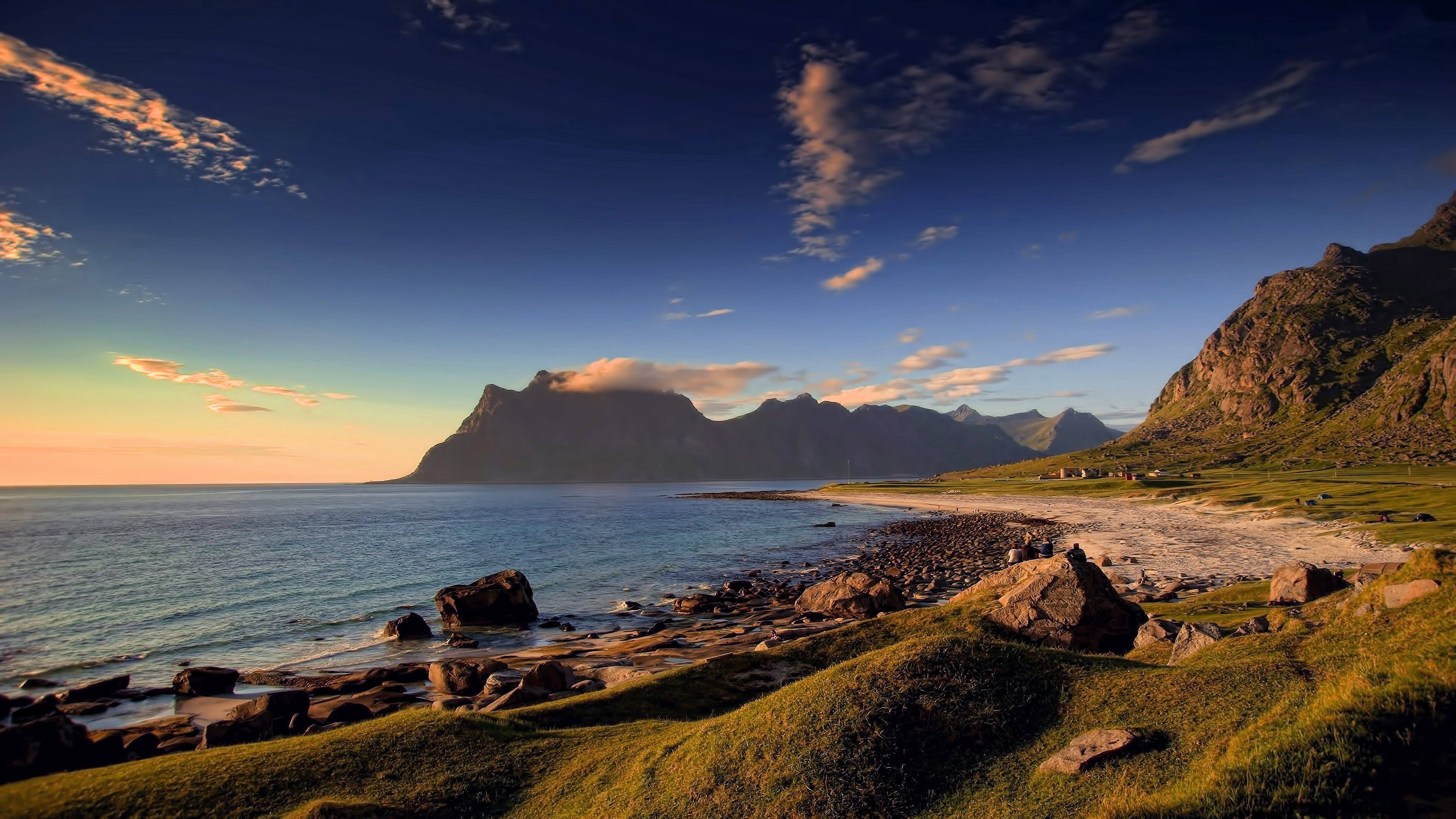
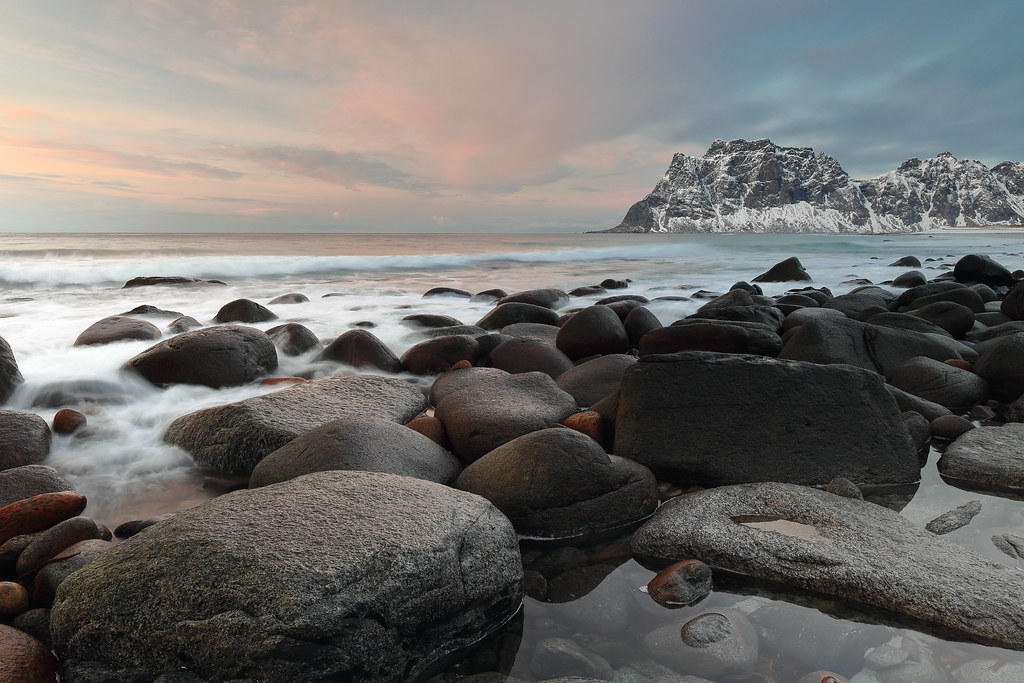
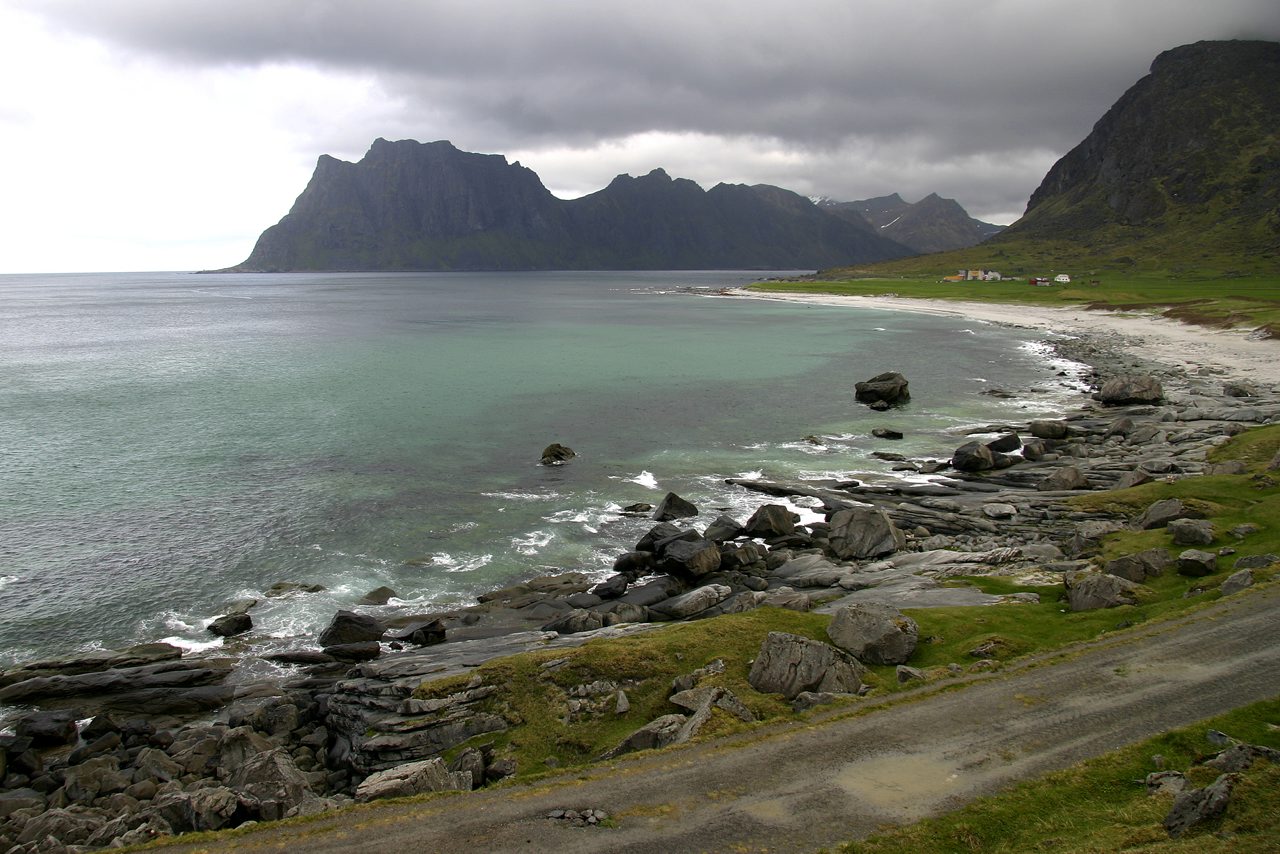

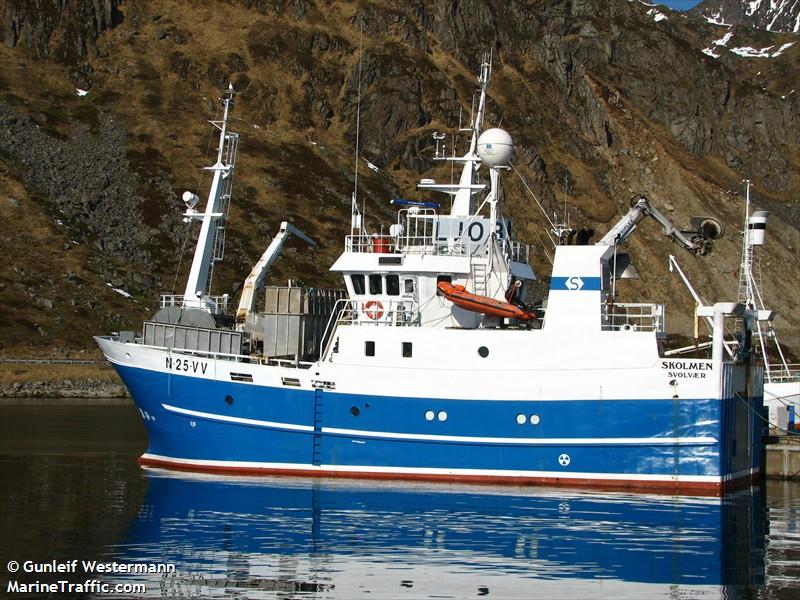
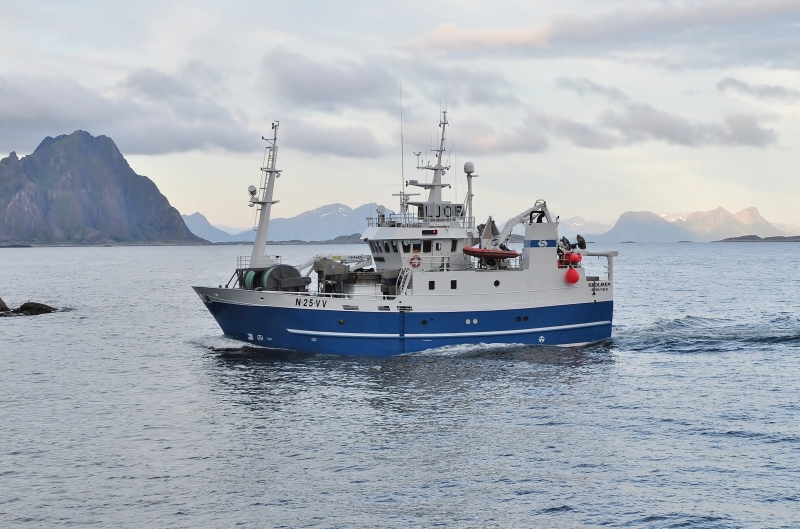
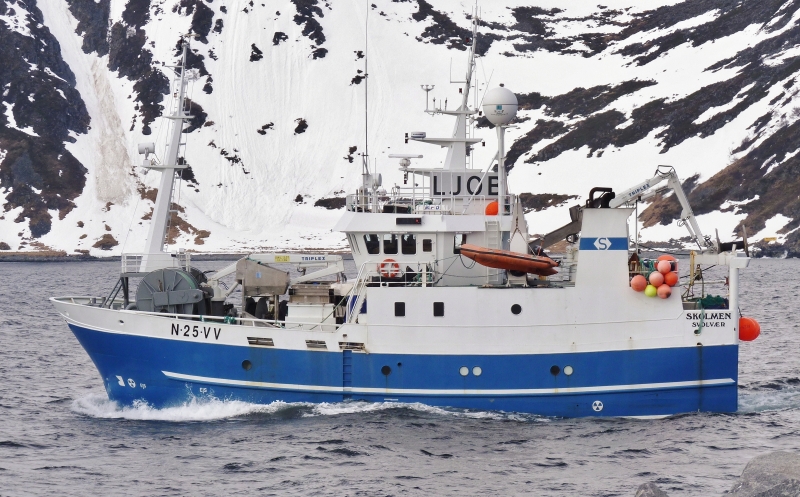
The name Skolmen has also been given to a fishing vessel, ”M/S Skolmen”. According to Martin Rist Angelsen, ”my family has used the name Skolmen for our fishing vessels for almost 100 years. I believe it was my great grandfather who first used the name in 1925, so the name has been used for generations in my father’s family – Angelsen. In the picture below, you will see that there have been three fishing vessels named Skolmen. The pictures from 1925 and 1951 are the same boat, but with big changes. The same with the boat in the pictures from 1975 and 1991.

The name was taken from the mountain named Skolmen located in the fjord Steinfjorden, which leads to the home port for the Skolmen fishing vessel – Tangstad, Vestvågøy (Lofoten). It is common practice in Norway to use names from mountains for fishing vessels.
Today’s Skolmen fishing vessel was built in 1998, and has been in our possession with the name Skolmen since then.”


Family last name – origin and interesting facts:
As previously mentioned, the surname Skolmen is believed to have originated from the ancestral farm named Skolmen in Dokka, Nordre Land, Norway. An ancestor in the 17th Century, Torger Pedersen Tonvoll (Born 1755), moved to the Skolmen farm in the late 1700s, he married Mari Fossum and all of their children received the surname Skolmen, instead of Tonvoll as it would be today. This is something which was commonly done back then to show the place where you were from.
The Skolmen surname is very rare – it is estimated that less than 50 people bear this surname in the world. In fact, in order to give your child the surname Skolmen in Norway, you have to submit an application due to the small minority of people with the surname in the country.
Although the Skolmen surname originated from Norway; today, people with the surname Skolmen can be found in Norway, South Africa, United States, Denmark, New Zealand and Malta.
Famous people with the last name Skolmen include:
In 2007, Jon again collaborated with his former partner Trond Kirkvaag, when he starred in the NRK sitcom Luftens helter, which was created shortly before Kirkvaag’s death. Jon Skolmen is the father of actors Christian and Tine Skolmen, brother of director Eli Skolmen Ryg and uncle of actors Anne Ryg and Hege Schøyen, with whom he played in the 1991 Swedish comedy Den ofrivillige golfaren. In the film, Skolmen and Schøyen were supposed to play lovers. The characters’ on-screen relationship was toned down to a near friendship to make the two actors less uncomfortable. He received the Norwegian Comedy Award’s honorary prize for lifetime achievement in 2009. Skolmen has also appeared on British children’s television. In 1971 he presented Play School for the BBC, though for one week only. In 1980 he appeared in a one-off special co-produced by the BBC and NRK called Jon, Brian, Kirsti and Jon in which he appeared with his compatriot Kirsti Sparboe, and the British performers Brian Cant (with whom Skolmen co-wrote the script) and Jonathan Cohen. The most complete documented Skolmen family tree can be found at ancestry.com and is maintained by Robert ‘Bob’ Skolmen and Dayne Skolmen. For more articles visit Dayne’s Discoveries Blog, browse our online shop, or contact us to share information, stories, or photographs relating to the Skolmen name.
About the Author

 Dayne's Discoveries
Fascinating!
LikeLiked by 1 person