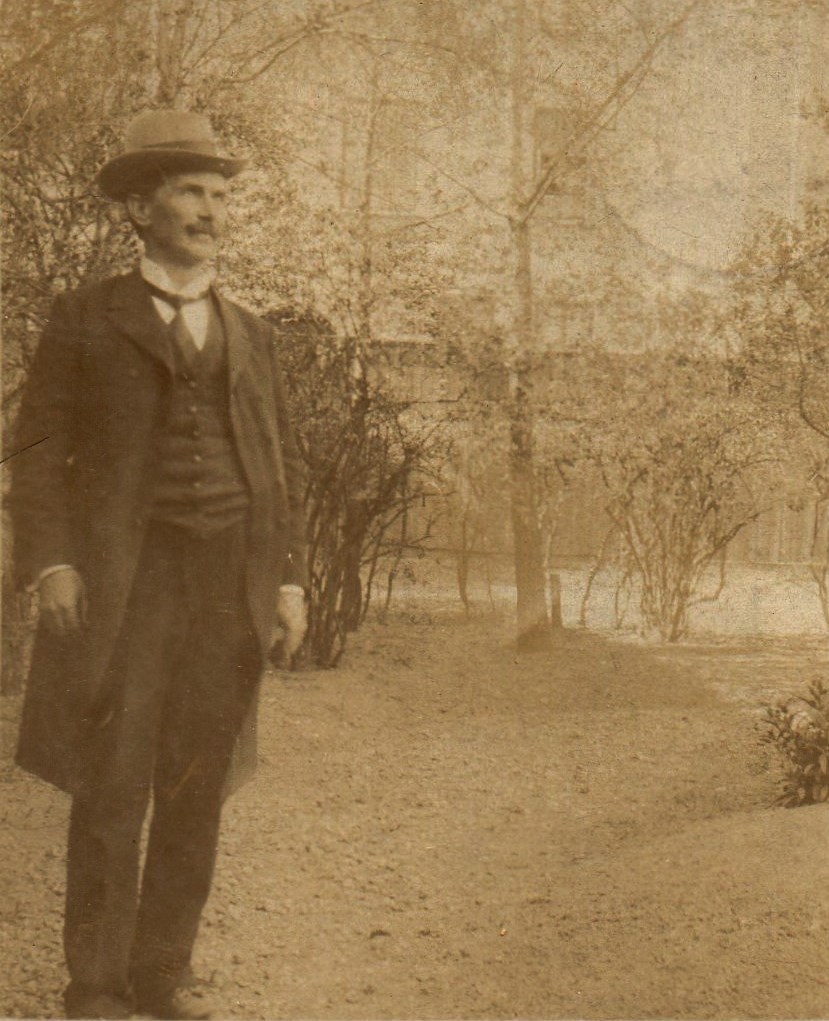
There was something very special about Torger and Ingeborg Skolmen’s eldest son, Kristian. This became apparent at an early age when the Norwegian farmer’s son started attending a little country school.


Kristian was born on 23 March 1863 on the ancestral farm named Skolmen in Nordre Land, Norway. He spent much of his youth growing up in the natural beauty of the Northern Land with his 9 siblings. Three of his sisters had successful careers; Elisabeth Kristine Skolmen as a teacher, Helene Skolmen as a teacher and women’s affairs advocate, and Thora Skolmen, who was a well-known feminist. Thora and Helene were among the first members of the Norwegian Women’s Affairs Association, and Thora was also very involved in the work on the first two volumes of Boka om Land (the Book of Land), which started in 1914.

In 1880, when Kristian was 17 years old, he enrolled at Hamar Seminar teaching school and graduated 2 years later with highest honors.
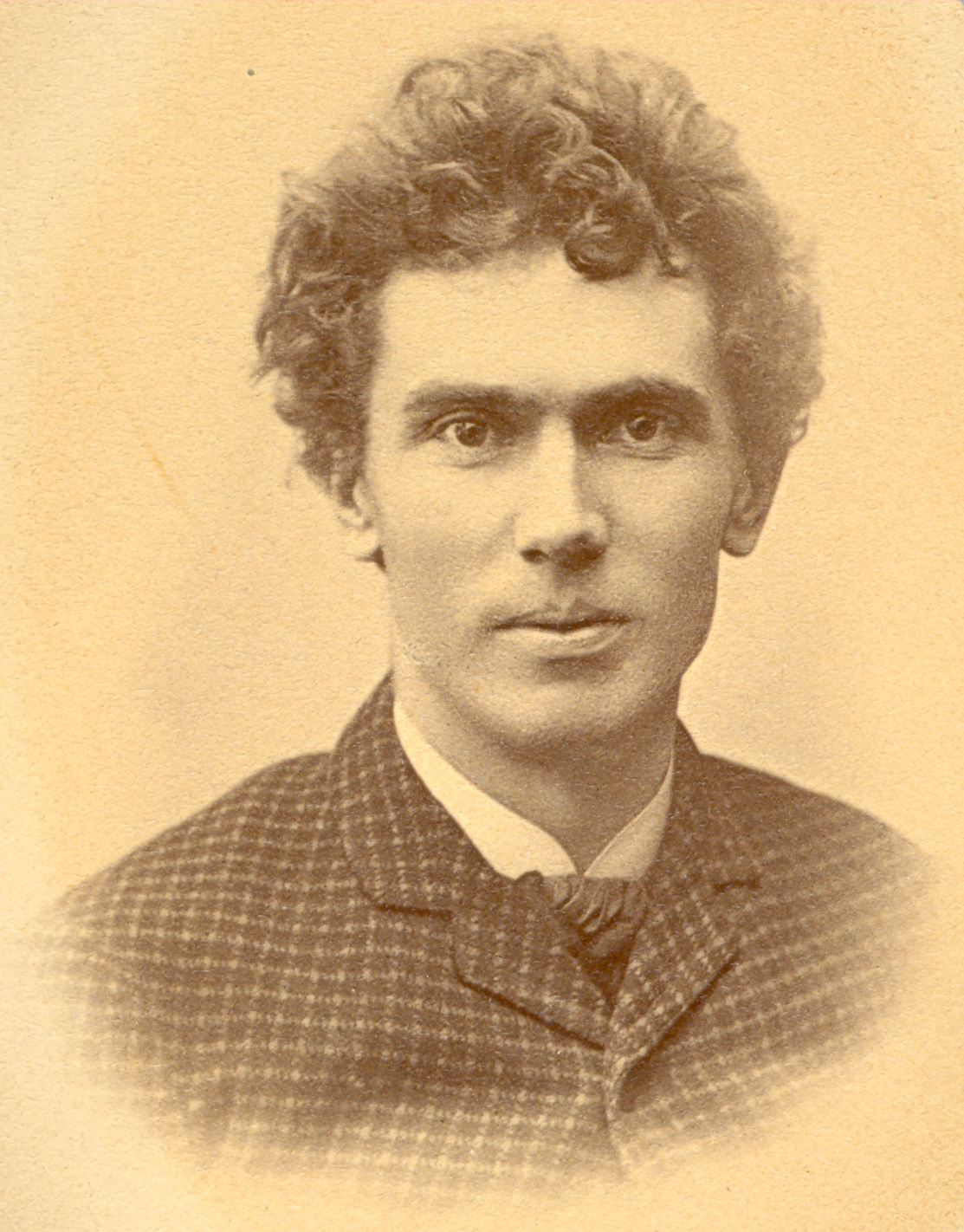
Kristian’s interest in painting came at an early age. It is said, according to Nils Thomle and Inger Elisabeth Dalen, that he fire-painted at the age of five years old with ash logs from the oven. Owing to his strong interest in art, he continued his studies in Kristiania at the Royal Norwegian Drawing and Art School which is now known as the “Oslo School of Trade and Industrial Art”. The opening of this school in 1818 gave Kristian and other Norwegian artists the first opportunity to get at least part of their education domestically. Although, in Europe the general artistic trend was impressionism at the time, many Norwegian painters (including Kristian) broke through as naturalists.
Kristian depicted nature and familiar sites in his paintings without using idealized or abstract methods. His paintings were based on observation and his studies of Latin helped in his true portrayal of the animals and plants in nature that surrounded him.
Although Kristian had both the knowledge of and talent for painting, he was not completely satisfied with it as a full time career. He wanted to teach, and after he finished his studies at the drawing and art school, he had a few temporary/ substitute teaching positions from Autumn 1882 till 1884 when he managed to acquire a full-time teaching position in Østre Toten at an elementary school. It was there he met his future wife, Marie Pålsdatter Fritsvold.
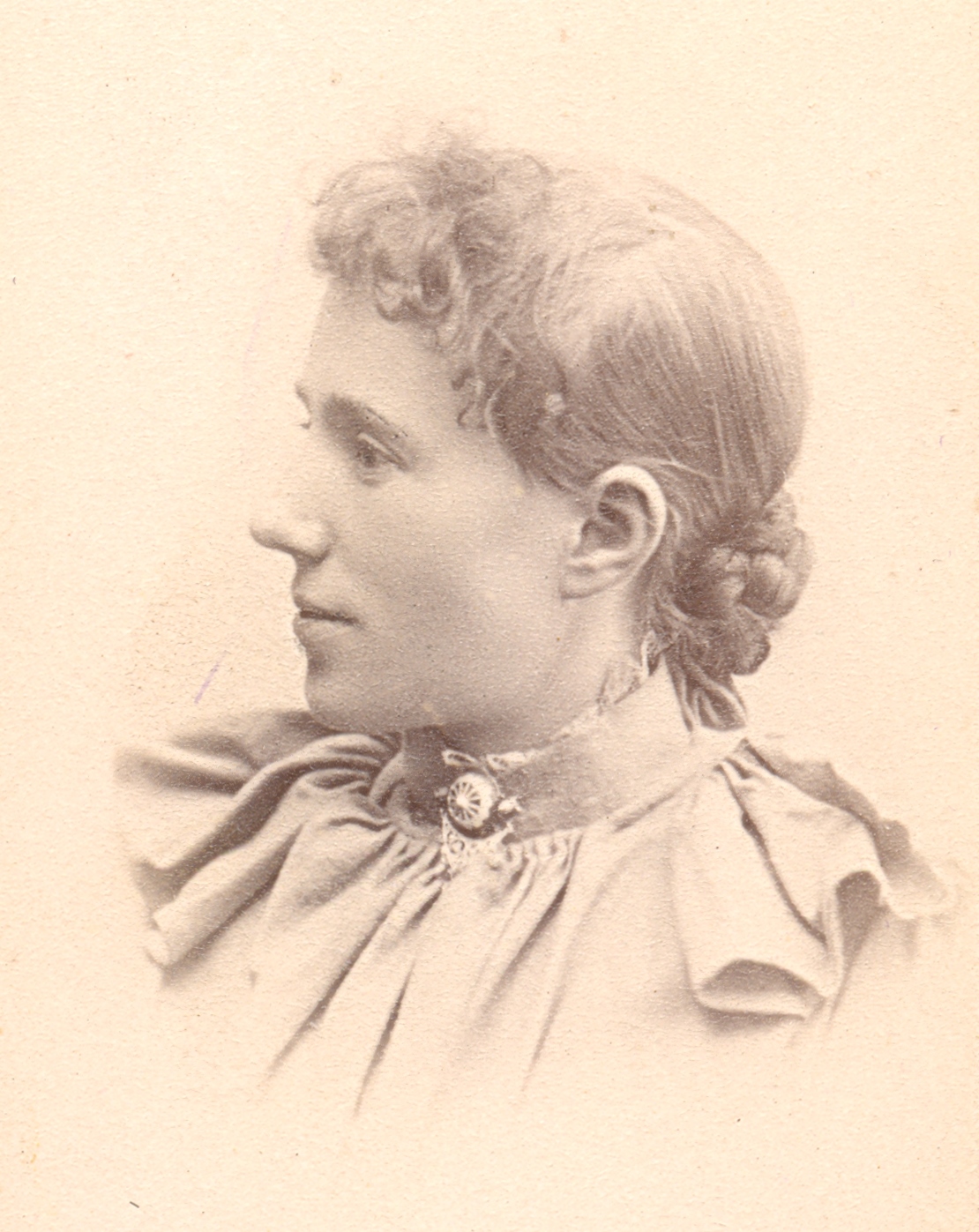
They got married on 24 May 1888 at Paulus Menighet, Oslo, Akershus, Norway. The newlyweds moved to Kongsberg the same year, and had a large family of 6 children.
“There was a difference in social status between them, as Marie was raised in a fairly wealthy family who were the owners of a large farm in the country where good farm land was scant. The Fritsvold family tree has been traced back as far as 585 AD and includes numerous noblemen and even some seven kings.” (Ronald Skolmen). However, this didn’t seem to be a problem for them, “Kristian and Marie seem to have had a happy marriage. They raised six children in a loving environment and sent several of them forth without reservation to find their destinies.” (Ronald Skolmen).
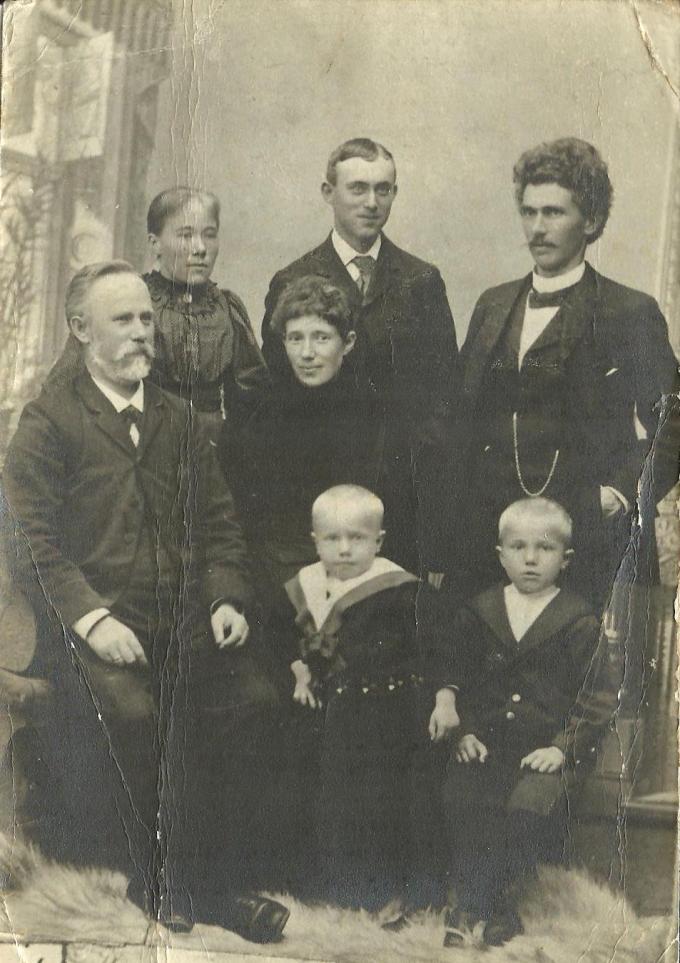

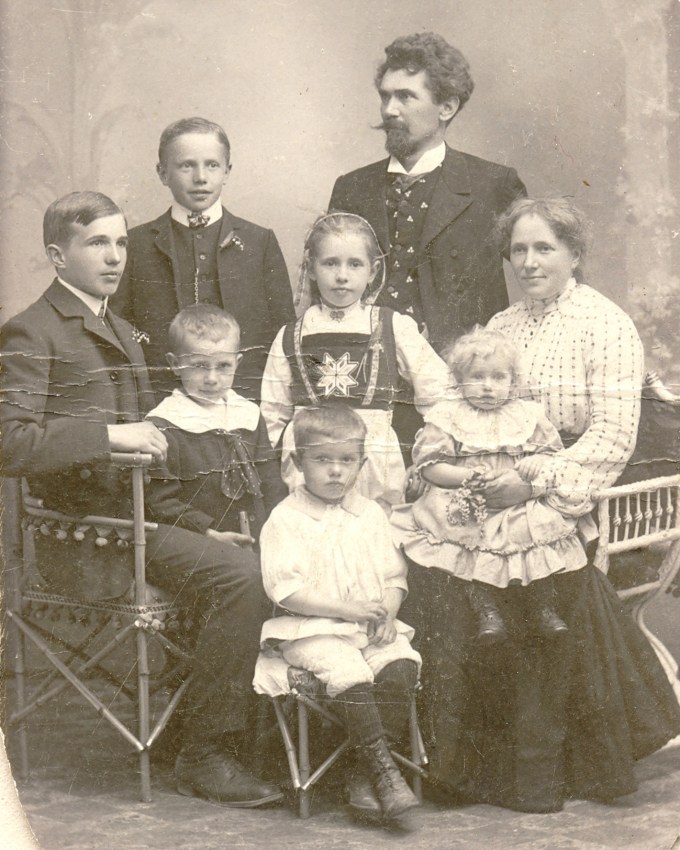

Kristian taught in Kongsberg for more than 40 years. He was ahead of his time in his teaching methods, which made him the most popular teacher in the village. He won his colleagues and students respect and admiration with his zeal and love for his trade.
According to Per Sunmann, “My father, one of Kristian’s students, had many happy memories of Kristian Skolmen. My father was a professional musician and showed a strong interest in music at an early age. He had built a “salmodikon” (one stringed instrument that was common in the schools at that time) of an orange crate because wood was hard to come by. He proudly took it to school to show Kristian, who was so touched that he gave my father a real salmodikon.”
An extract taken from Kristian’s eldest son, Thoralf Skolmen’s life story book gives us some insight into the early days in Kongsberg: “As my father had no inclination for farming, he was educated as a teacher and got an appointment at Kongsberg. He was also choirmaster in the church and glee clubs in town.”
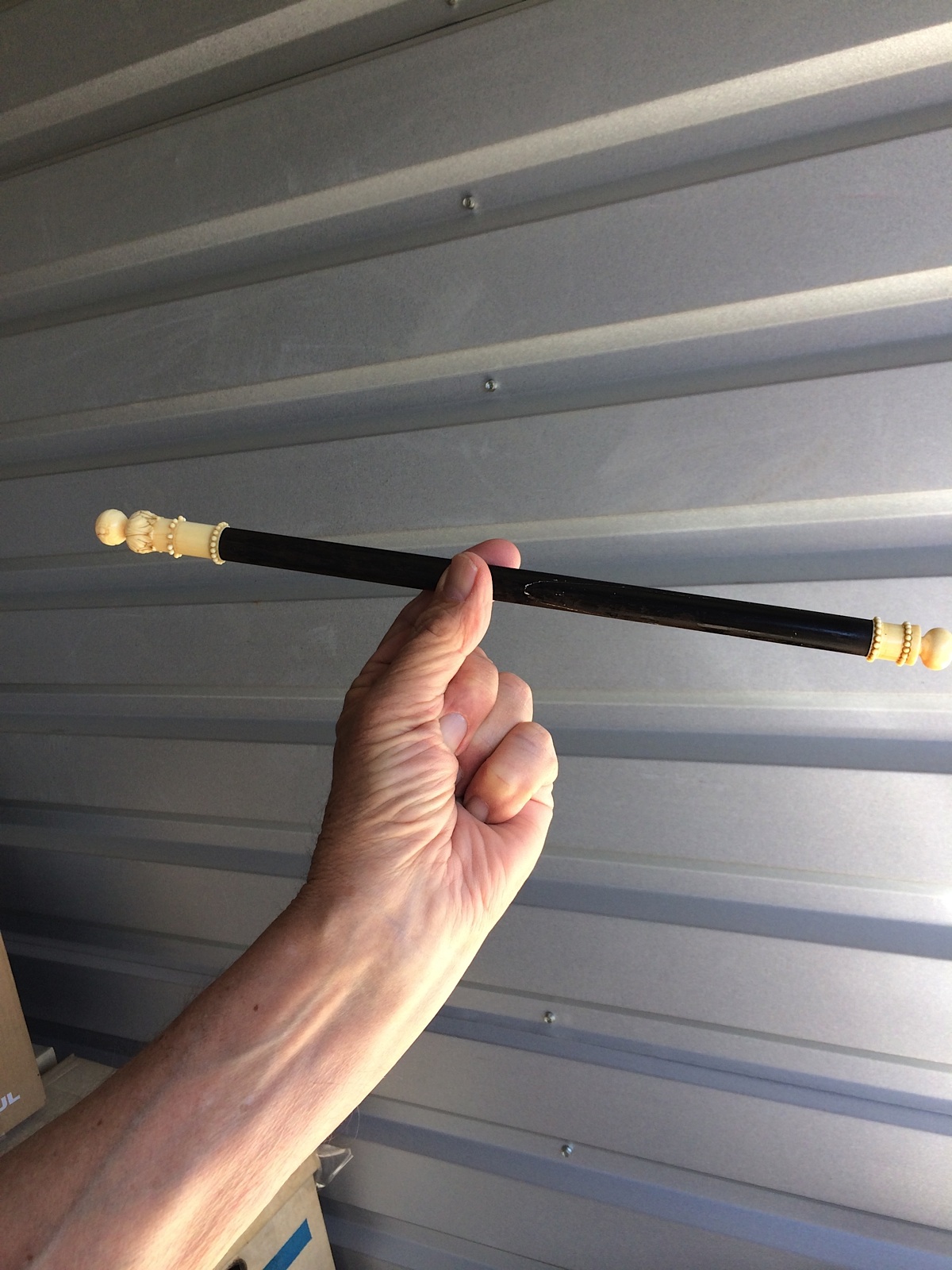
Photo credit: Catherine Jackson
“My mother was the daughter of Paul Fritsvold – a farmer from Dahlen Toten, she lost her parents when she was a young girl and was brought up by her uncle Even Rogneby, on one of the biggest farms in Østre Toten. Like my father, she was very fond of music; she had a fine well-trained voice (light soprano) and often took the solo part at charitable and church concerts. I have many memories from my childhood and schooldays in that fascinating town. It is an ideal place for winter sport; skating on the wide river Lågen which runs through the town, and skiing in the heavy snow and steep hills or in the high mountains nearby. In spring the river was full of timber logs, which were floated to the Sawmills near the coast. The river was the place for us kids in the summertime; bathing and fishing for trout. In the woods, there were many kinds of wild berries and mushrooms.”

Source: National Library of Norway
“In midsummer when the school holidays came, we generally left town to visit relations and friends. I recollect we visited the famous Rogneby farm with its mansion-like buildings, where mother came from; but only a week after we arrived, my brother Paul and I were stricken with diphtheria, which in those days was looked upon as a deadly infectious disease. We were isolated to an empty house with an old nurse to look after us and a daily visit from doctor Aabel (father in law of Rev. Hans Astrup who I later met in Zululand). All the things in the room we had occupied were burnt, including all our fine clothes, specially made for the occasion.
Father did a lot of landscape painting in his spare time, and as a little lad at the age of four, I naturally took a great interest in all these lovely colors, and once when he was away, started dabbing paint on a nearly finished picture. Another time it was just before Easter, we were expecting grandfather and two aunts. All the wrought iron stoves were polished and there were new curtains everywhere. Mother and father had gone to a song rehearsal at the church and our two servant girls in the kitchen evidently had some boy visitors, for they seemed to have forgotten about me. I made a beeline for the paint and chose a bright red colour with which I painted the stove to give mother a pleasant surprise when she got home. Finally, it was getting dark and I got tired and fell asleep behind the piano in the corner. When the girls started the fires in the stove, the room soon got filled with thick black smoke. They looked for me but could not find me, and opened the windows. Some passers-by in the street below saw the thick black smoke and promptly called the fire brigade and the Church Bell started ringing. My parents, desperate with anxiety, hurried home and met the fire engine on its way back. There was nothing to worry about, but what a sight met them at home. Everything was blackened by smoke and there was no sign of me. The girls were crying hysterically, and mother soon gave way to crying too. Father noticed a smell of burnt paint and saw a line of red paint leading to the back of the piano where I was found fast asleep with red paint on my hands and clothes. Mother was very glad when she found me unhurt, and I told her how nicely I had painted the stove red and was eager to show her. I was only three years old at the time, and I had meant to give her a happy surprise, so I got no hiding for my most unusual enterprise as a painter.”
Although painting was just a hobby and supplementary income for Kristian, his art was exhibited at the State Autumn Exhibition in 1889. He used both traditional oil painting technique, and also painted watercolours.
Kristian dedicated his life to the fine arts. He involved himself in choir, directing, singing, acting, play-writing and painting. He founded choirs, and the technical night school in 1898, he taught drawing there as well.
Ronald Skolmen (Son of Paul Skolmen) had the following to say about his grandfather, “Kristian was a nationally honored artist. He traveled all over Norway, getting free lodgings while he painted art and scenes for the inns and hotels of the country. This work may only have taken place during his earlier years because he had a residence in Kongsberg, where his family was raised. In contemporary photographs, he appears to have been a loving father, devoted to family life. I don’t remember my father ever speaking disparagingly of his father. There is a street named “Kristian Skolmen Vei” in his honor in Kongsberg. During the dark days of the Nazi occupation of Norway, it became nearly impossible for Kristian to obtain a palette of colors. He was reduced in some cases to two colors. We received several of his watercolors after the war, that were executed in vermilion and a gray-green. Even with these limitations, he captured in landscapes, the vibrancy and beauty of the countryside. In an age of Pop Art and Abstract Expressionism, his paintings might look old fashion to some, but he painted what he saw, and he saw much of the country of his birth. He painted the Norway he loved.”

Source: Robert Skolmen

Source: Berit Svenman
To the people of Kongsberg, Kristian with his sketchbook and pencil was a known and loved feature of the town. His paintings are of strong historic and folklore interest. After he stopped teaching in Kongsberg, Kristian lived with family in Mjondalen, Drammen, Asker and Hakadal. His work from the years he lived in these places is preserved. A vast majority of his work is privately owned.
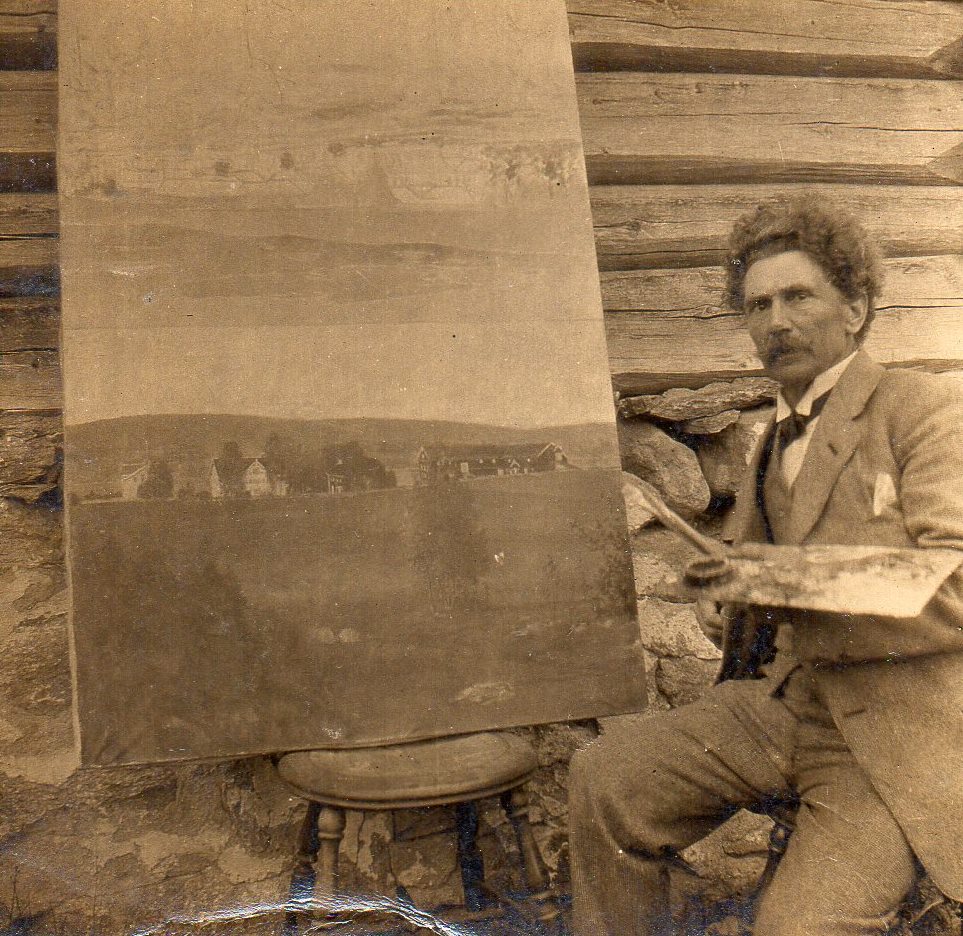
In 1914, Kristian painted the following scene titled “To America”. It shows Lars Martin Pedersen’s departure from Skolmbakken in 1869 as Kristian experienced it at the age of six. This painting is displayed at Lands Museum in Dokka.

All the images I have managed to gather of Kristian Skolmen’s art can be viewed in the slideshow below. Many of which, came from the Kristian Skolmen art exhibition that took place at Lands Museum in Norway from the 2 October 2008 – 31 October 2008. The opening of the exhibition on 2 October 2008 was held in the administration building at Lands Museum and started with a lecture from art historian Gunnhild Randen and then a panel discussion with Kristian Skolmen’s grandchildren: Jon Skolmen, Eli Skolmen Ryg and Knut Røsjø. Lands Museum and the National Art Society obtained 128 paintings and objects painted by Kristian Skolmen which have been recorded in the museum archive. A total of 38 individuals lent their paintings to the exhibition. During the opening, Lands Museum was packed on the premises where the paintings were hung.
Kristian also painted portraits of his relatives:
In addition to painting on canvas, Kristian also painted door panels, cube chairs, cabinets, wall panels, pottery and other objects:
Thoralf Skolmen shows us the generosity and kindness that Kristian had, “In 1927 I returned to Norway after 18 years of being away from home, to fetch my wife and children who had gone over for a visit. Whilst visiting Wilhelm Bölling and my wife, I told them that I had to go to Kongsberg to see my father and sister and to take my son out of school and would be away for a few days. So, I took the train to my hometown Kongsberg. The trains were now all electric and it was a swift run. My youngest sister kept house for my father who was still teaching. They lived in a new house near Sandsvar main and Auerdahl’s house, and the railway station was close by. It was nice to see my dear old father again, he had aged considerably since I saw him last and his mass of curly hair had turned grey, he had also put on considerable weight, my brother John was still there. Nice as it was to be home again, it was not the same with mother gone. I told my father all that had happened and the shipping arrangement and asked him to help me with the passage money for me, which he promptly did.”
Jon Skolmen (Son of John Fritsvold Skolmen) had the following to say about his grandfather, “There is not much I remember myself. Grandfather died when I was six years old, in 1946. Knut Røsjø probably has more stories to share about grandfather. I do remember that I met him a few times and that he was a kind man who scratched my hair when I was visiting. I know that my grandfather was invited to many hotels to paint towards free room and board. In many ways, I followed in his footsteps and have taken up his legacy. When I starred in the children’s program on TV, I was often invited to the mountains during the holidays, to entertain the kids, and was granted my stay for free. I’m proud of what Grandpa did. I knew he had painted many pictures, but that he had made so many beautiful pictures, I did not know. I have even more respect for my grandfather now. I’m impressed. If I get to heaven, I will go straight to St. Peter and ask where Kristian Skolmen is.”

Photo credit: Geir Norling
Knut Røsjø (Son of Ingeborg Røsjø (Nee Skolmen) had the following to say about his grandfather, “He lived as an artist in Hakadal during the last years of his life. He had a big production. He was not a practical man. He lived with nature and painted there. He liked to be out in the woods. He was a modest but determined man. He was a living encyclopedia on staffroom at Kongsberg. My grandfather was knowledgeable. He was ahead of his time. He took students with him into the wild to let them see and learn there.”

Photo credit: Geir Norling
Art historian, Gunhild Brink, studied all the paintings at the exhibition, and found that Kristian Skolmen was inspired by Norwegian folk tales and Norwegian nature. She held a great chat about the painter during the exhibition . She could tell he was a modest painter and knowledgeable teacher. “My paintings are mostly something for the house. It’s not art”, he had written in his own memoir, said Gunhild Brink.
“He had a varied production. The biggest production he had was between 1920 and 1935. Skolmen painted oil paintings and watercolors, he also painted on objects, and directly on the wall,” said Gunhild Brink.
He came from a strict religious home. His parents were Haugeans. “I’ve heard that great grandfather did not like fiddle music. It was sinful. Therefore, he took the fiddle on the farm and fired it up in the oven,” chuckled Jon Skolmen.
Both Knut, Jon and Jon’s sister, Eli Ryg, sat on a panel at the opening of the Kristian Skolmen art exhibition on Thursday 2 October, 2008 at Lands Museum. The two cousins, Jon Skolmen and Knut Røsjø, were clearly touched when they saw how much interest there was for the painting exhibition.
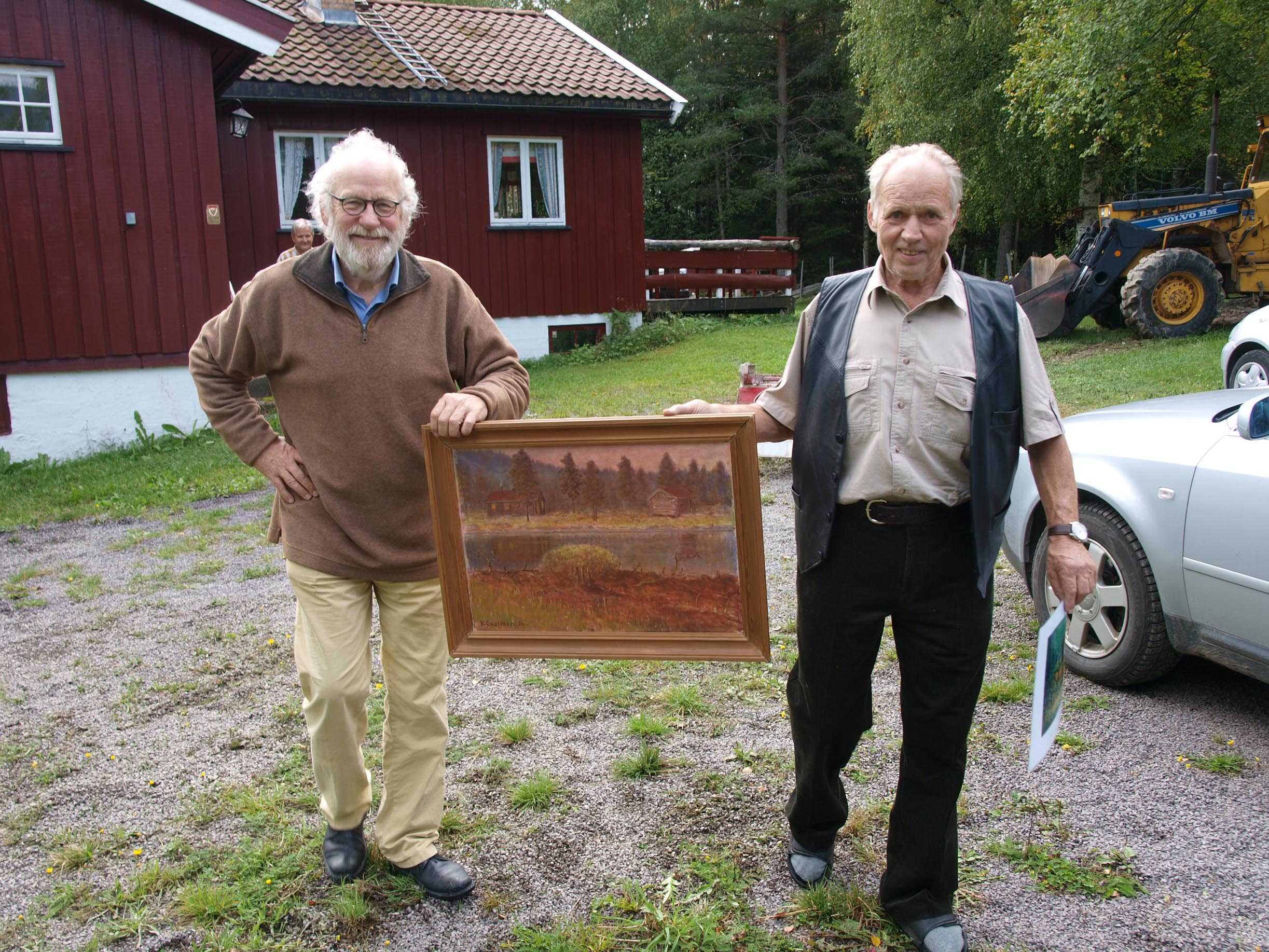
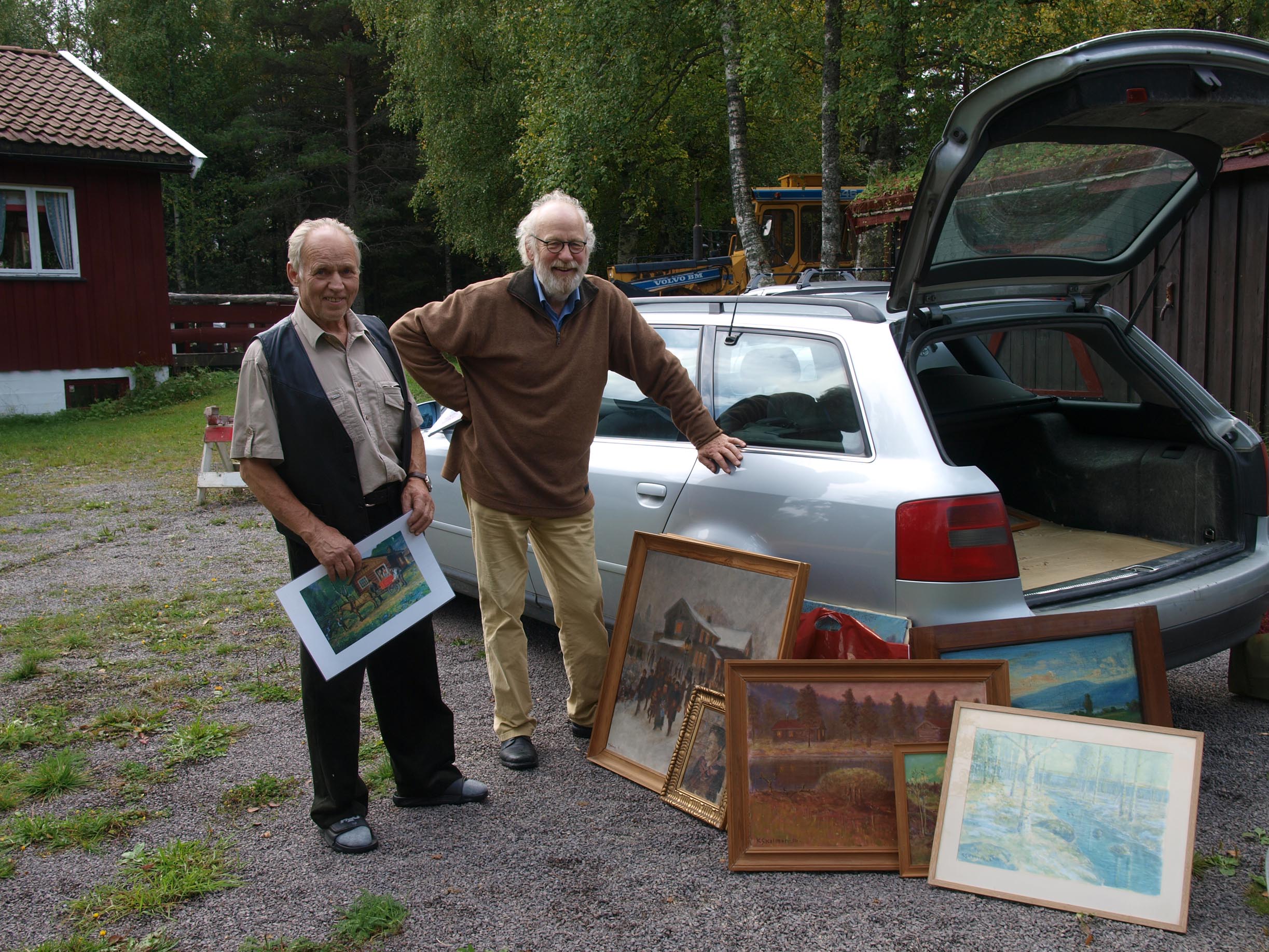
Photo credit: Geir Norling
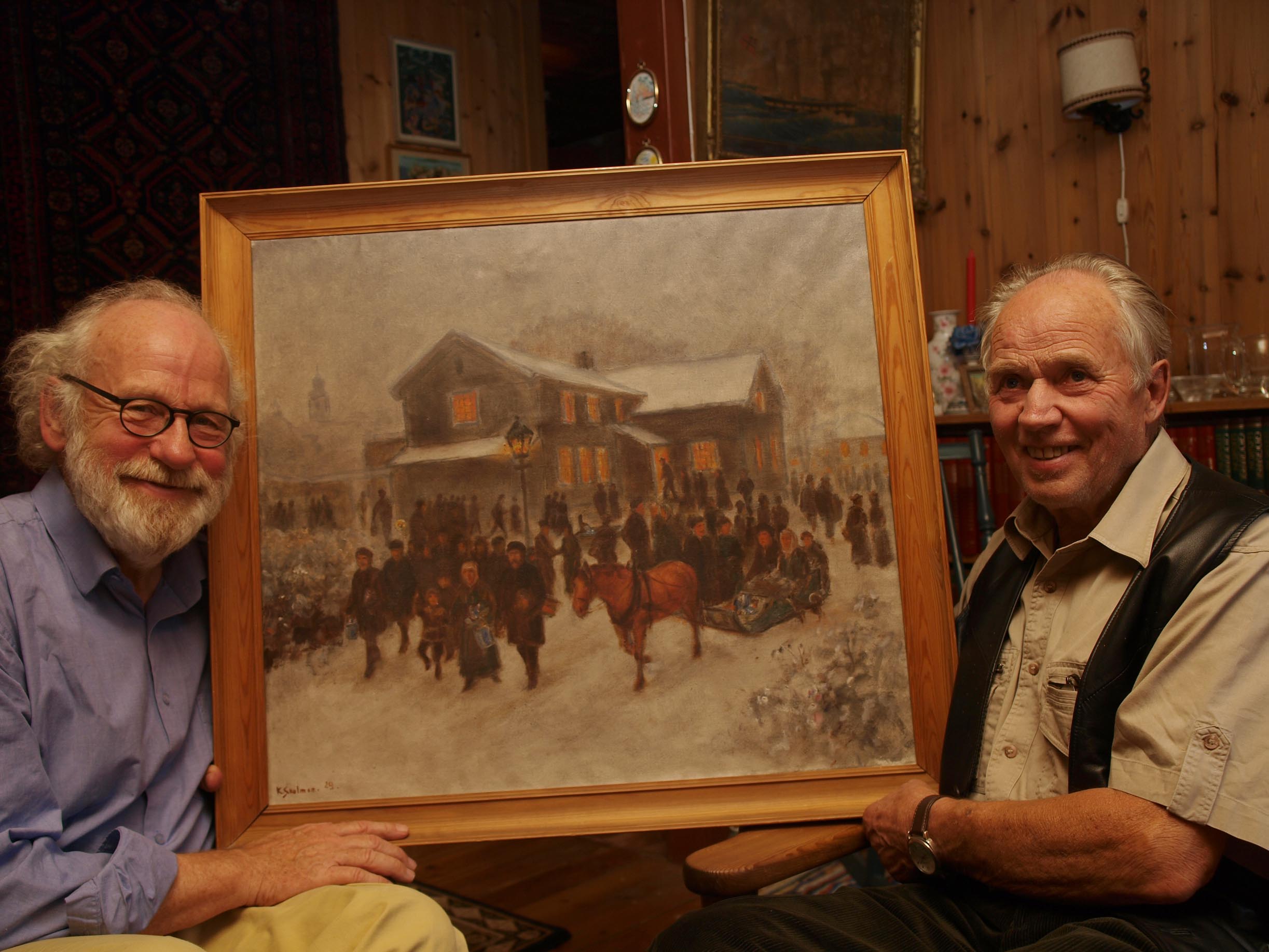
Photo credit: Geir Norling
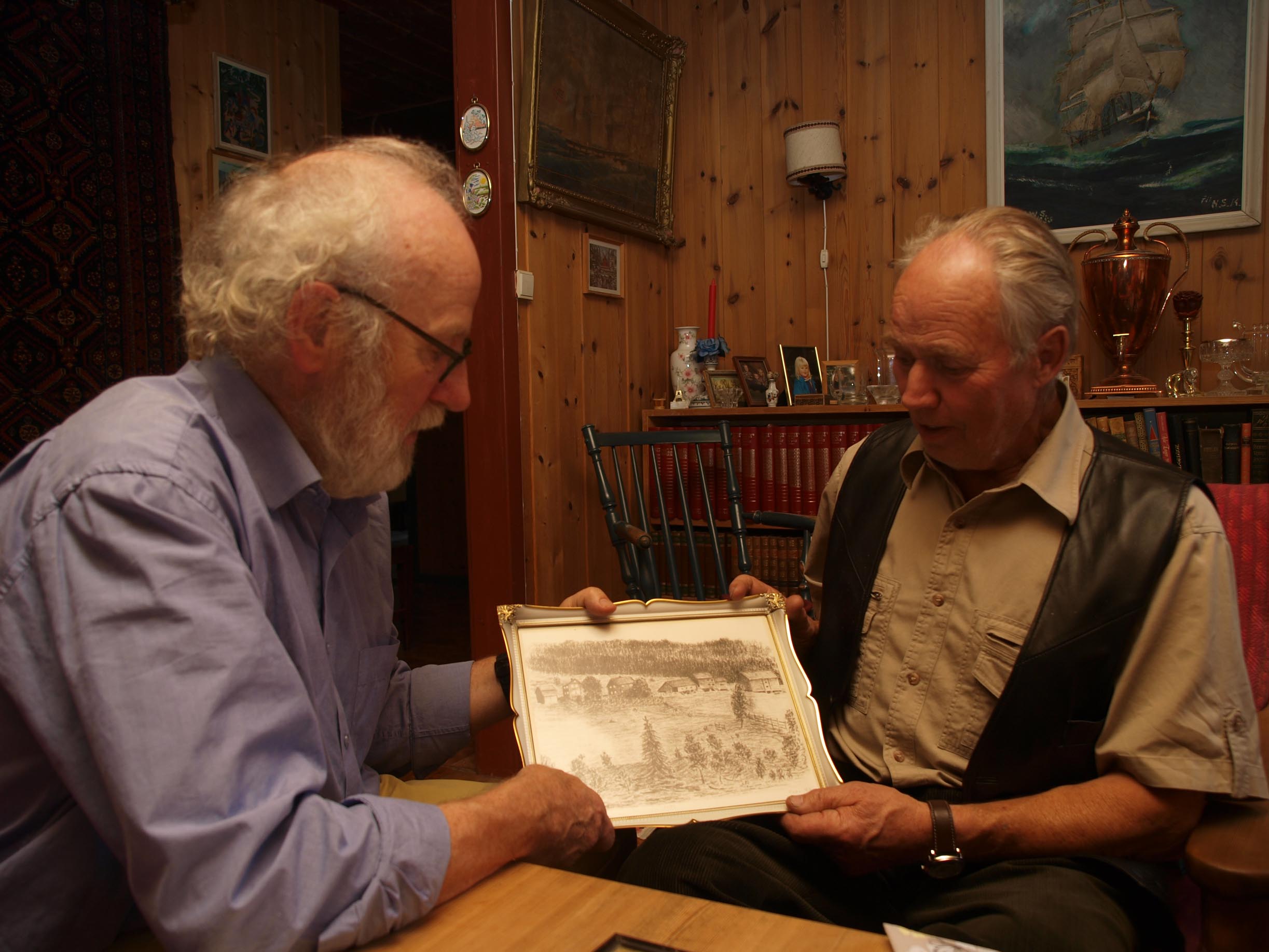
Photo credit: Geir Norling

Photo credit: Geir Norling
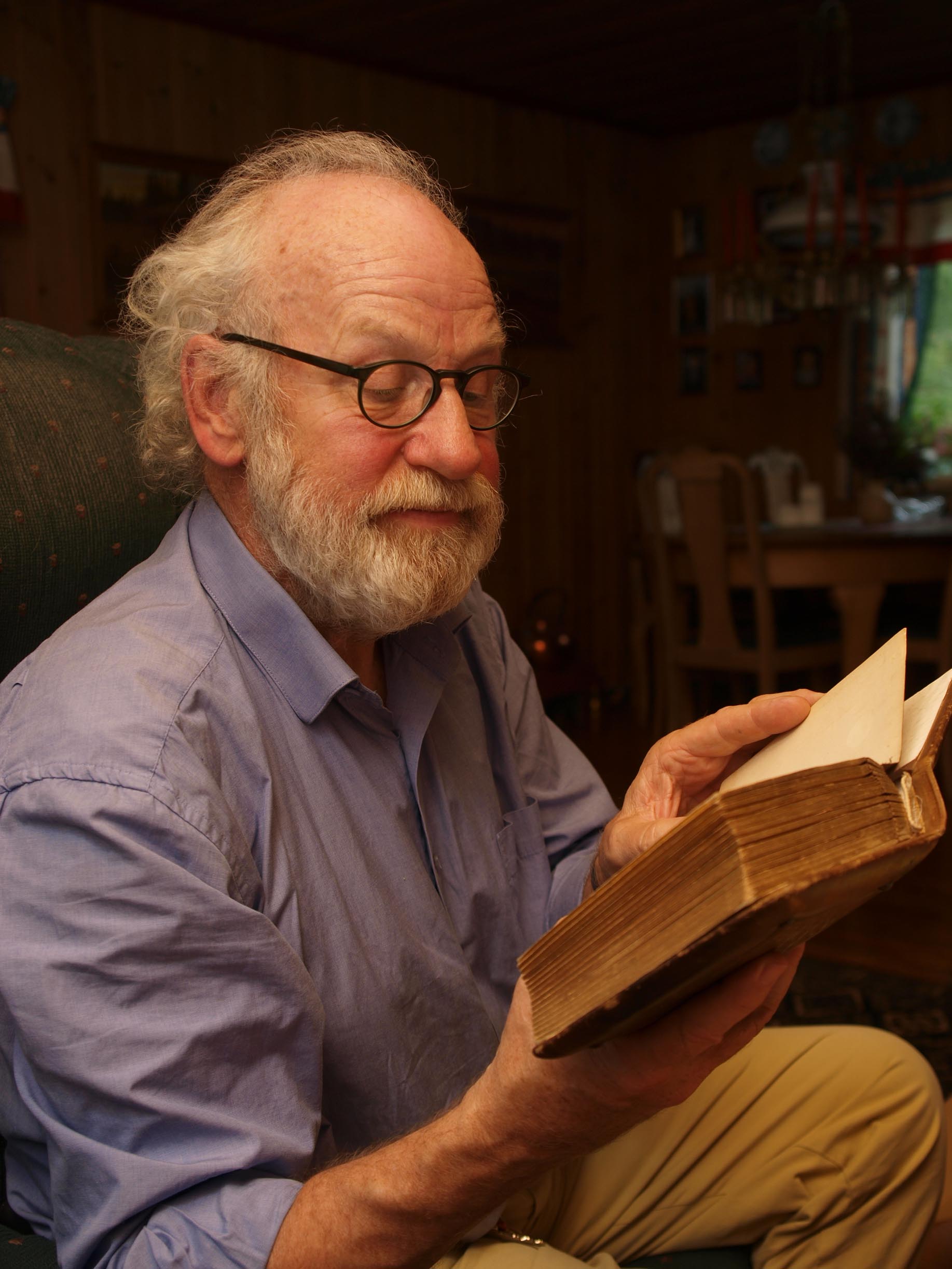
Photo credit: Geir Norling
Additional pictures of the art exhibition can be seen below:
Berit Svenman (Daughter of Ingeborg Røsjø (Nee Skolmen)) had the following to say about her grandfather, “I remember him well, as he lived with us during his last two years. He was mostly sitting, painting with his easel – or in his rocking chair smoking his pipe. There was always a strong smell of turpentine and tobacco around him. He had great curly hair and brown eyes, which are traits that many of his children, grandchildren and great grandchildren inherited from him.”
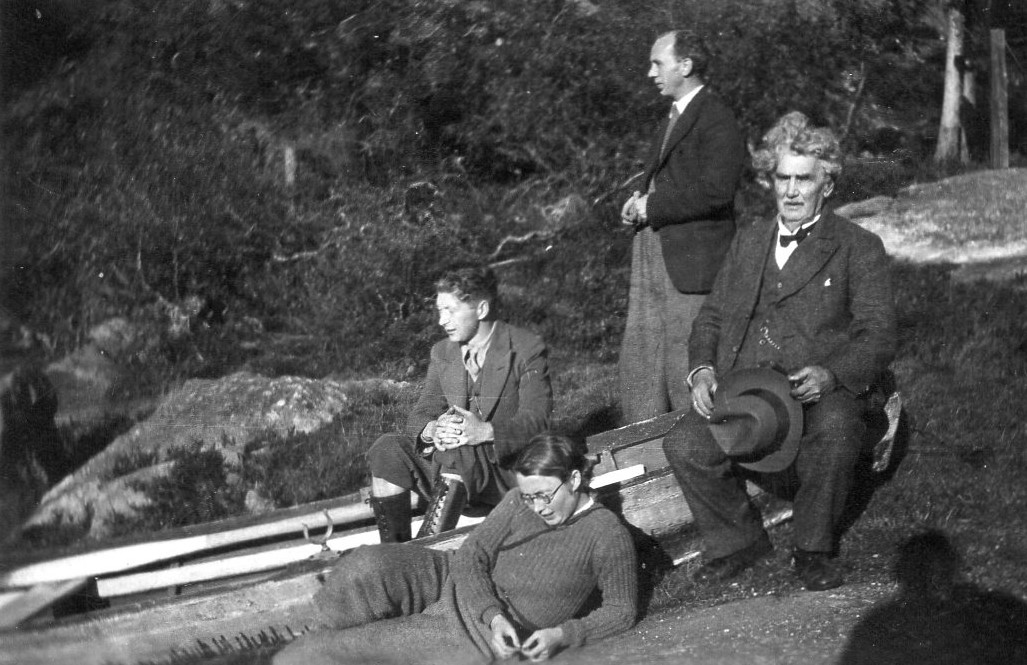

“My father, who had made his home with my sister Ingeborg, passed away on 16 November 1946; he suffered a stroke about a month previously which paralyzed the side of his body so he was quite helpless. He was 83 when he died and was cremated in Oslo in the presence of many of his old friends and fellow teachers. His only remaining sister, Oline Enger, had died two months previously.” (Thoralf Skolmen, 1957).
Kristian’s ashes were buried in the Kirkegården ved Næringsparken cemetery in Kongsberg on 7 June 1947. There was no formal grave site with a marble tombstone and inscription laid in his honor, instead there was simply a large rock placed at the site. This was typical of Kristian, as he was a very private person who did not have an interest in fame, and was quoted saying “to live unnoticed appeals to me.”


There is evidence that Kristian produced paintings from the late 1800s right up until his death in 1946. “Kristian lived for his art and was never finished with it. In spite of his great age, life was too short. He had much left that he wanted to do. The Latin phrase “Ars longa, vita brevis”, (Art is long, Life is short) really fits Kristian Skolmen” (Per Sunmann, 1980).
About the Author
For more articles visit Dayne’s Discoveries Blog, browse our online shop, join the Kristian Skolmen Artwork Facebook group or contact us to share information, stories, or photographs relating to Kristian Skolmen and his art.

 Dayne's Discoveries
Thanks Dayne for telling this story. You should have been an excellent journalist!
LikeLiked by 1 person
Thanks, Mats. Much appreciated!
LikeLike